
Sahara Desert and Southern Morocco
Introduction: Southern Morocco as the Soul of the Country
While Morocco’s imperial cities often capture global attention, the southern regions reveal a more elemental and profound dimension of the country. The Sahara Desert, the Draa Valley, the Atlas Mountains, and the fortified kasbahs of the south collectively form a landscape shaped by resilience, trade, and tradition. Travelers seeking depth and transformation often turn to Morocco Good Travel to experience this side of Morocco in a way that connects geography, culture, and history into one immersive journey.
Southern Morocco is not simply about sand dunes; it is about contrast and continuity. The journey from the bustling streets of Marrakech across the High Atlas Mountains into open desert terrain highlights how dramatically the country changes within a few hours. Through structured desert itineraries organized by Morocco Good Travel, travelers witness landscapes that have shaped caravan trade, Amazigh culture, and centuries of architectural innovation.
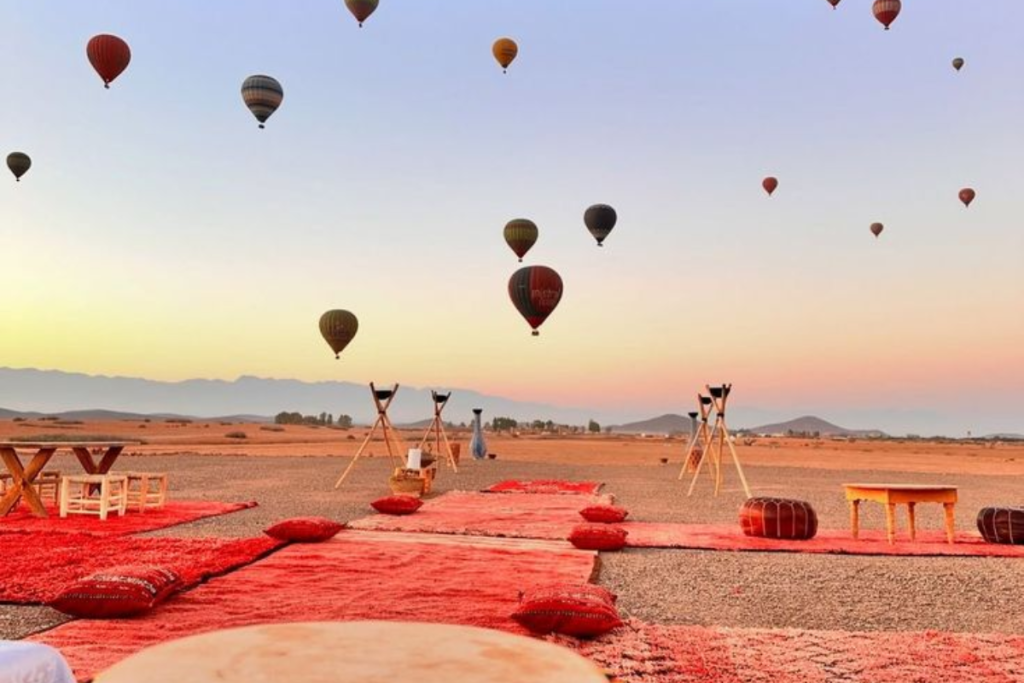
The High Atlas Mountains: The Dramatic Gateway to the South
Any journey toward the Sahara typically begins with a crossing of the High Atlas Mountains. These towering peaks form a natural barrier between northern Morocco and the desert plains. The Tizi n’Tichka Pass, one of the highest paved mountain roads in North Africa, winds through dramatic cliffs, terraced hillsides, and Amazigh villages constructed from earth and stone. The transition from green valleys to arid landscapes begins here.
Traveling from Marrakech desert tours across the Atlas introduces visitors to Morocco’s geographic diversity. Snow may cap the peaks in winter, while spring brings blooming almond trees and fresh mountain air. The mountains are not merely a route but a destination in themselves, reflecting centuries of rural life and cultural preservation.
Ouarzazate: The Cultural Bridge Between Mountains and Desert
Beyond the Atlas lies Ouarzazate, often described as the gateway to the Sahara. This region has long been a crossroads for trade routes connecting sub-Saharan Africa to Morocco’s northern cities. Today, Ouarzazate maintains its historic identity while also serving as a cinematic landscape for international film productions.
Exploring Ouarzazate tours reveals fortified kasbahs built from clay and straw, designed to withstand harsh desert climates. The nearby Aït Ben Haddou stands as a UNESCO-recognized ksar, where layered earthen structures rise from the valley in warm amber tones. This architectural masterpiece reflects the ingenuity of southern Moroccan communities.
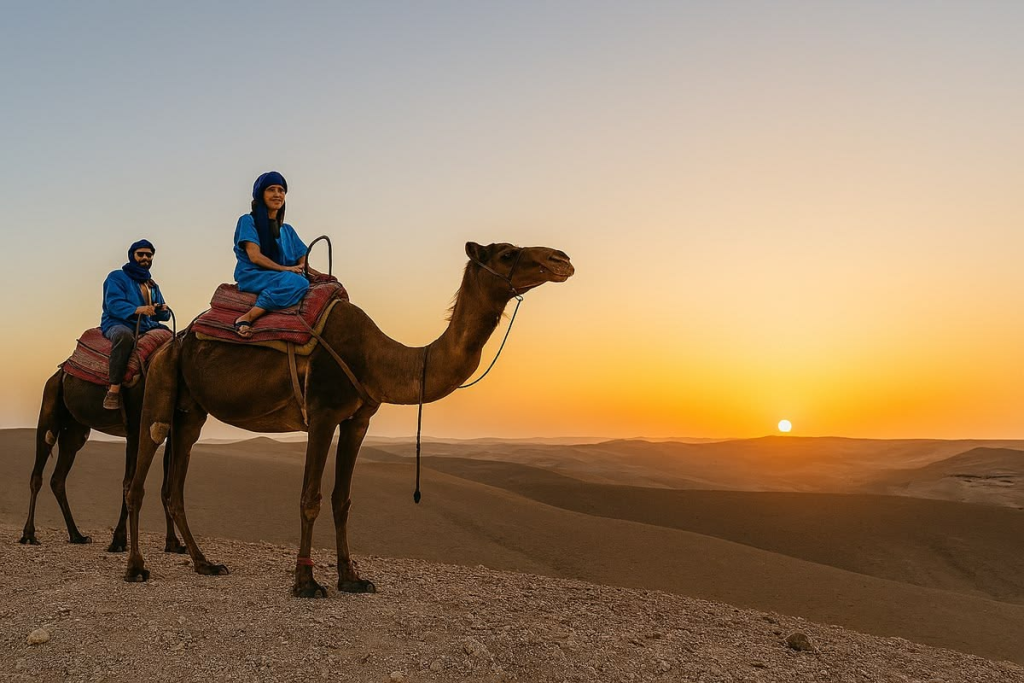
Ouarzazate tours:
- Tour 2-Days desert from Ouarzazate to Errachidia
- Tour 3-Days desert from Ouarzazate to Merzouga
- Tour 4-Days desert from Ouarzazate to Merzouga
The Draa Valley: A Corridor of Palm Groves and Caravan Memory
The Draa Valley stretches for over 200 kilometers, lined with vast palm groves that create a striking contrast against the surrounding arid terrain. For centuries, this valley formed part of the trans-Saharan caravan route, where traders transported gold, salt, spices, and textiles across Africa. The Draa River sustained agricultural communities that thrived in otherwise harsh conditions.
Travelers journeying through the valley with Morocco Good Travel encounter ancient ksour and kasbahs that once guarded valuable goods. These structures reveal the strategic importance of southern Morocco in historical trade networks. The valley’s greenery against desert landscapes symbolizes life sustained through adaptation and resilience.
Merzouga and the Erg Chebbi Dunes
Further east, the village of Merzouga marks the entrance to Morocco’s most iconic dunes, Erg Chebbi. These towering sand formations rise dramatically from the flat desert floor, creating one of the most photogenic landscapes in North Africa. The dunes shift with the wind, forming ever-changing patterns of light and shadow.
Through curated desert experiences offered by Morocco Good Travel, visitors embark on camel treks into the dunes at sunset. The rhythm of the camel’s stride and the silence of the desert create a meditative atmosphere. Overnight stays in desert camps provide cultural immersion with traditional music, cuisine, and stargazing beneath a pristine sky.
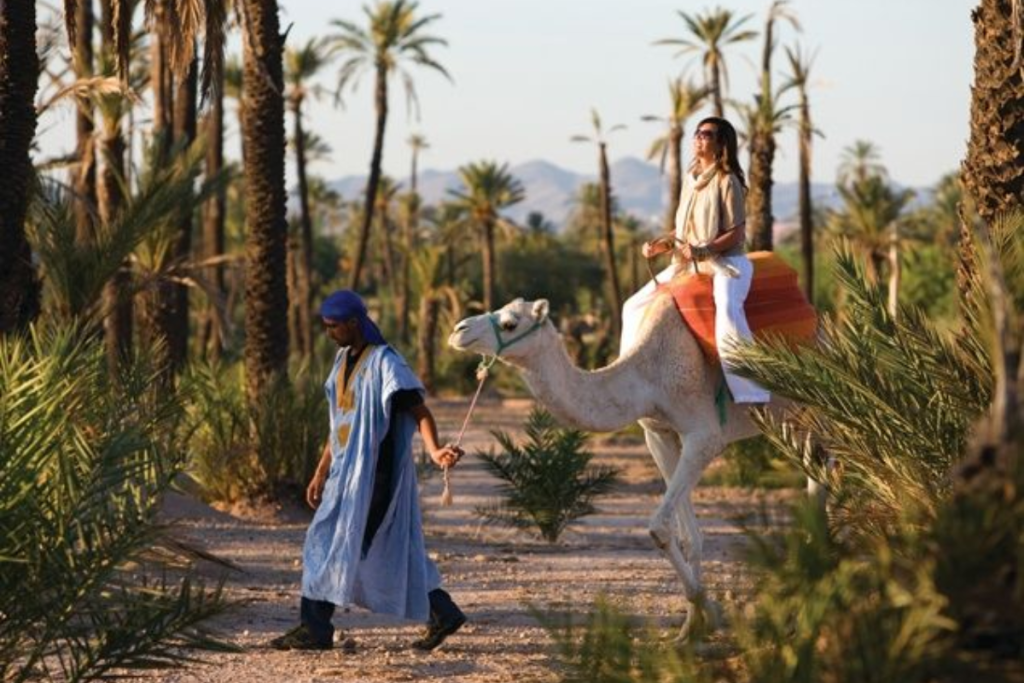
The Experience of Desert Camps
Desert camps range from traditional nomadic-style tents to luxury accommodations equipped with private facilities. Regardless of comfort level, the essence of the experience remains the same: immersion in silence and vastness. Evenings typically include Amazigh drumming sessions around a campfire, reinforcing the region’s cultural continuity.
Spending the night in the Sahara allows travelers to witness dramatic transitions in light. Sunrise reveals dunes glowing in soft gold and rose hues, while sunset deepens the sand into fiery orange. These natural spectacles remain among the most memorable highlights of southern Morocco.
Zagora: The Edge of Endless Horizons
Zagora offers a different desert atmosphere compared to Merzouga. While its dunes are smaller, the region carries historical significance as a departure point for caravans heading toward Timbuktu. The famous sign reading “52 days to Timbuktu” symbolizes this historic trade connection.
Visitors exploring Zagora through Morocco Good Travel experience a quieter desert environment with expansive plains and fewer crowds. The region emphasizes solitude and authenticity, ideal for travelers seeking a more remote encounter with the Sahara.
Amazigh Culture and Desert Identity
The Amazigh people have inhabited southern Morocco for thousands of years. Their language, music, and architectural styles remain central to the region’s identity. Desert architecture prioritizes insulation and communal living, reflecting adaptation to extreme climates.
Evenings in the Sahara often feature traditional Gnawa rhythms and storytelling sessions that connect past and present. Through immersive itineraries organized by Morocco Good Travel, visitors gain insight into Amazigh hospitality and resilience.
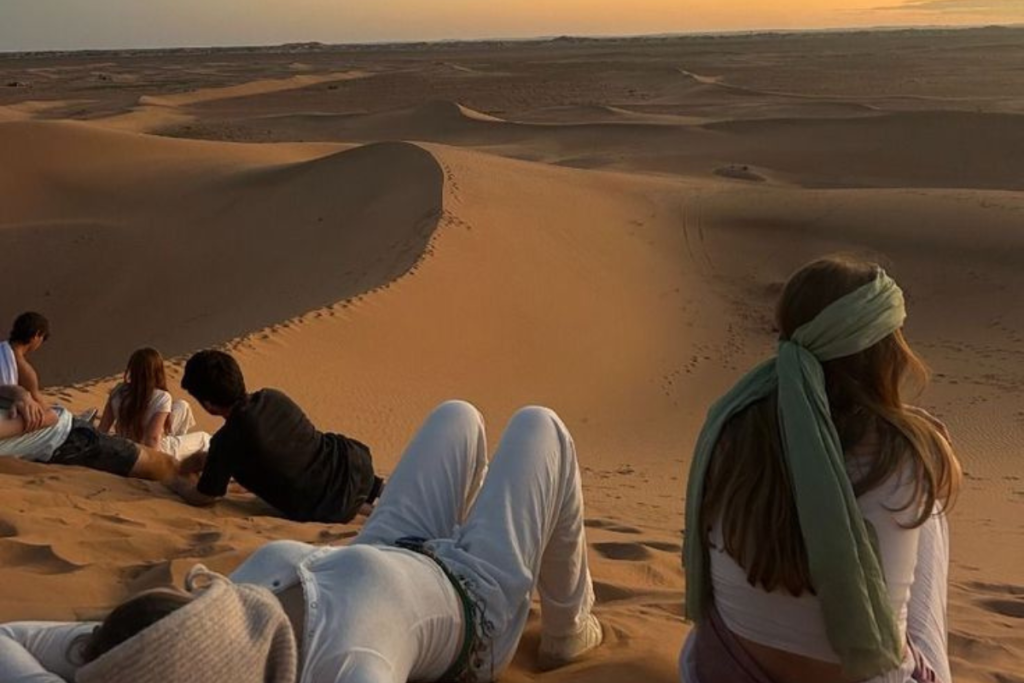
Adventure Activities in Southern Morocco
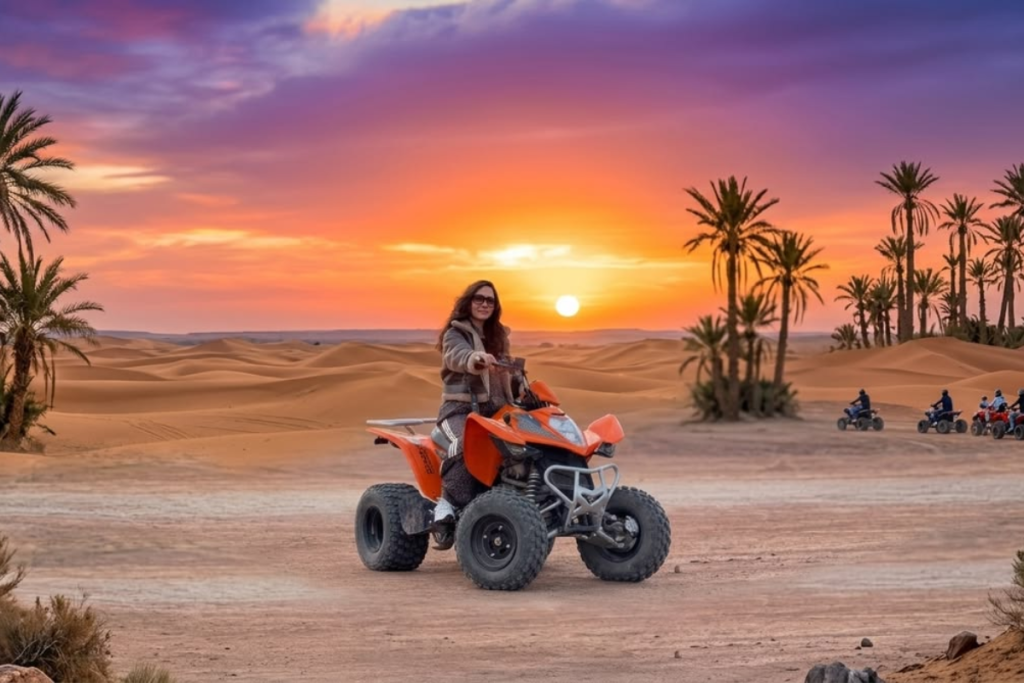
Beyond camel trekking, southern Morocco offers sandboarding, quad biking, and 4×4 desert expeditions. These activities provide adrenaline while still preserving respect for fragile desert ecosystems.
Photography enthusiasts find endless inspiration in the Sahara’s textures and colors. The interplay between wind, sand, and light creates constantly evolving compositions that challenge and reward creative vision.
Climate and Seasonal Considerations
Southern Morocco experiences extreme seasonal variation. Summers can be intensely hot, while winter nights may approach freezing temperatures. Spring and autumn provide the most balanced climate for exploration.
Travelers planning desert adventures with Morocco Good Travel benefit from expert timing and logistical planning to ensure comfort and safety during their journey.
The Spiritual Power of the Sahara
The Sahara offers more than visual beauty; it provides perspective. In a world dominated by constant noise, the desert’s silence allows for reflection and mental clarity. Many travelers describe their time in the Sahara as transformative.
Without city lights, the night sky becomes a vast canvas of stars. The simplicity of sand and sky strips life to its essentials, offering rare moments of introspection that remain long after the journey ends.
Designing a Comprehensive Southern Morocco Itinerary
A balanced itinerary may begin in Marrakech, cross the Atlas Mountains, continue through Ouarzazate, explore the Draa Valley, and culminate in Merzouga or Zagora. Each segment reveals a different landscape and cultural layer.
Through detailed planning with Morocco Good Travel, travelers can experience southern Morocco without rushing, ensuring deep immersion in both natural beauty and cultural heritage.
Conclusion: The Timeless Grandeur of Southern Morocco
The Sahara and southern Morocco define the country’s most elemental identity. From towering dunes to fortified kasbahs and palm-lined valleys, the region reveals landscapes shaped by centuries of adaptation and exchange.
For travelers seeking authenticity, vast horizons, and cultural depth, southern Morocco offers an unparalleled journey. Through thoughtfully curated experiences with Morocco Good Travel, the desert becomes not just a destination but a profound exploration of Morocco’s enduring spirit.