
(Part 1)
Introduction: Morocco as a Journey, Not a Vacation
In a world where many travel destinations feel increasingly commercialized and predictable, Morocco stands apart. It is not merely a checklist of monuments, beaches, or landscapes. Instead, it is a country that invites immersion. The deeper you travel into Morocco, the more layers reveal themselves — cultural, historical, geographical, and emotional.Morocco travel in 2026
Travelers who explore Morocco through thoughtfully structured experiences with Morocco Good Travel quickly discover that the country does not present itself all at once. It unfolds gradually. The rhythm of daily life in imperial cities, the silence of the Sahara, and the resilience of mountain villages combine into a narrative that feels cohesive and meaningful.Morocco travel in 2026
The Cultural Foundations of Morocco
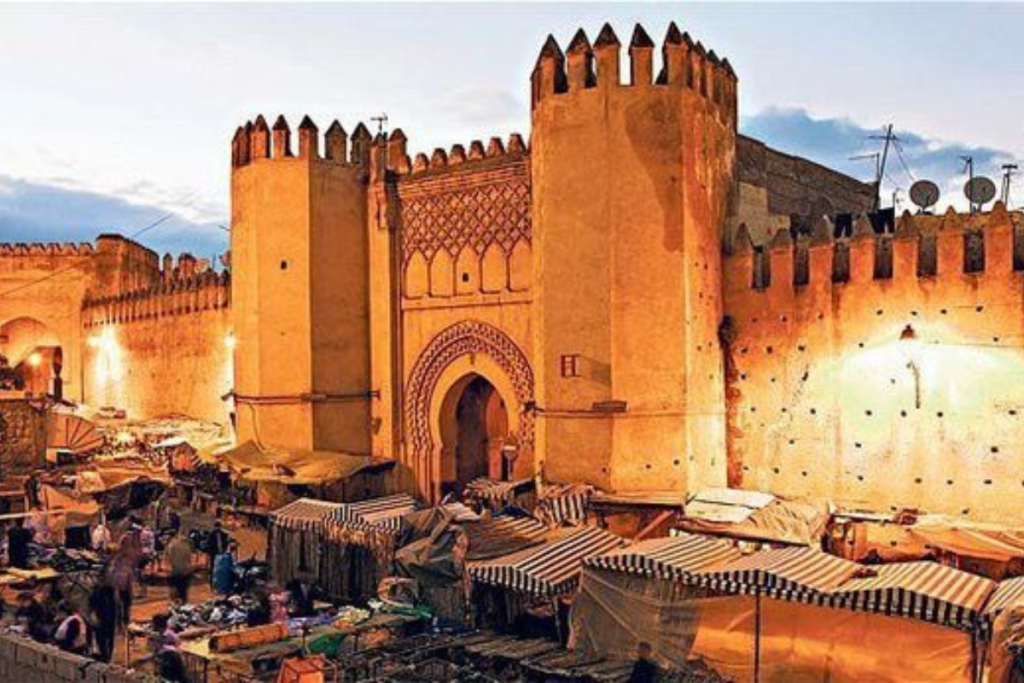
Morocco’s identity rests on centuries of convergence. Amazigh (Berber) roots form the indigenous foundation of the country. Arab dynasties introduced Islamic scholarship and urban development. Andalusian refugees contributed artistic refinement. Sub‑Saharan trade brought African influence. European proximity added modern complexity.Morocco travel in 2026
These influences coexist rather than compete. In cities like Fes, this fusion is visible in architecture, language, music, and daily customs. Moroccan culture does not erase its past — it integrates it. This layered identity makes the country endlessly fascinating to travelers seeking depth rather than surface impressions.Morocco travel in 2026
Fes: Where Intellectual Morocco Lives
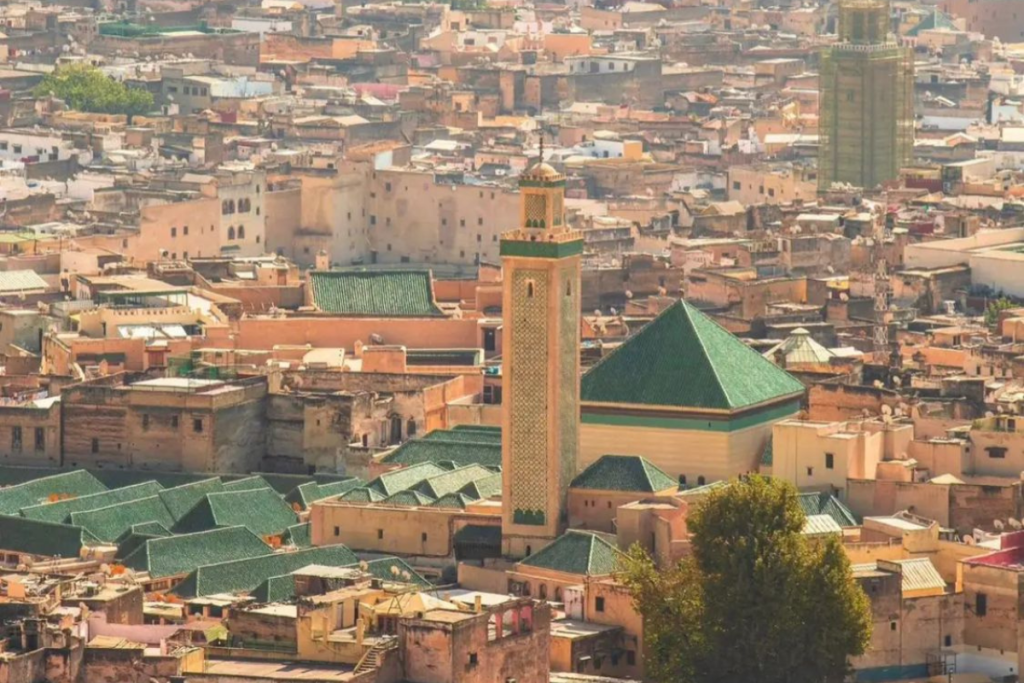
Fes represents Morocco’s intellectual and spiritual core. The ancient medina of Fes el‑Bali remains one of the most intact medieval urban environments in the world. Entering its narrow streets is like stepping into a living manuscript written centuries ago.Morocco travel in 2026
Within these walls, artisans continue to produce ceramics, leather, textiles, and brass objects using techniques preserved across generations. Through immersive Tours from Fes, travelers witness craftsmanship that reflects patience and precision. The Al‑Qarawiyyin University, founded in 859 AD, stands as one of the oldest educational institutions on Earth, reinforcing Fes’s reputation as a center of knowledge.Morocco travel in 2026
The Architecture of Spiritual Geometry
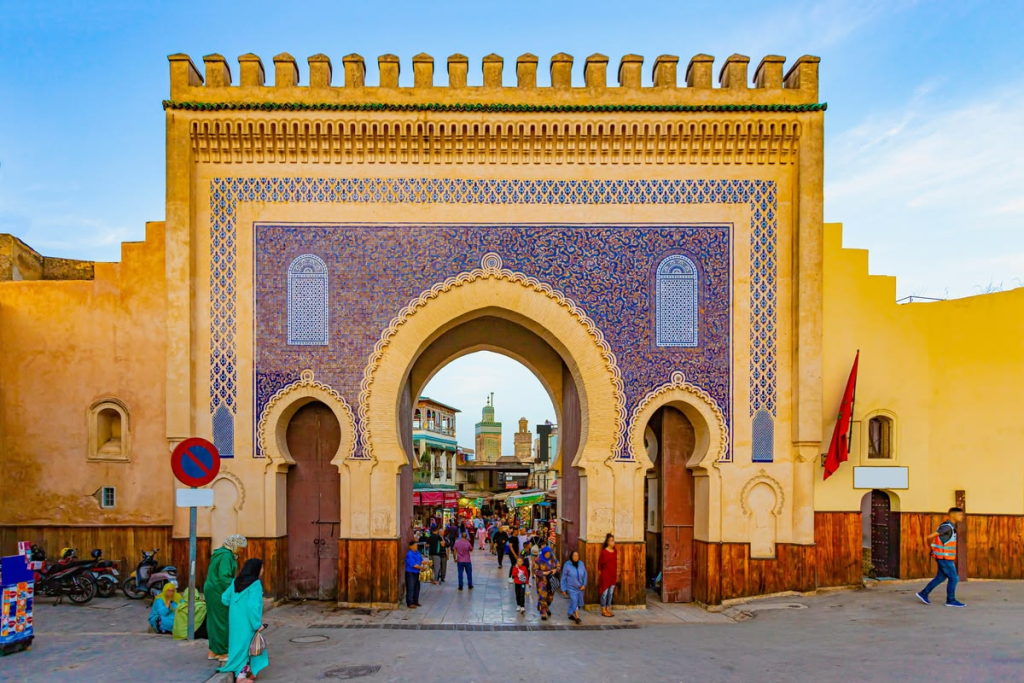
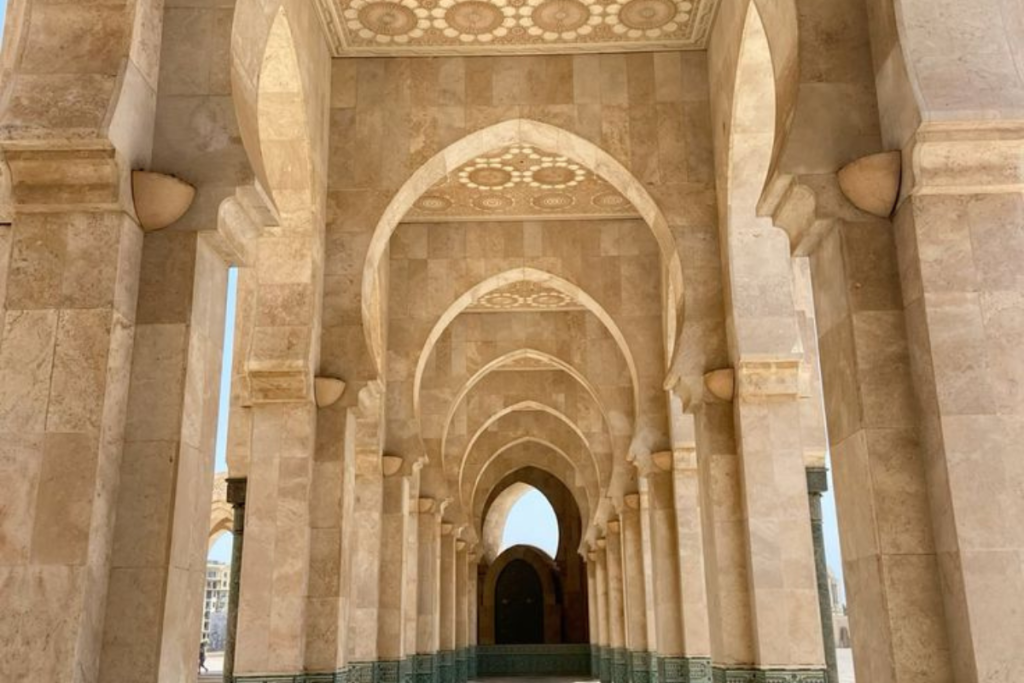
Moroccan architecture communicates through geometry. Zellige tilework — thousands of individually cut pieces arranged into intricate patterns — symbolizes harmony and infinity. Carved cedar wood ceilings reveal mathematical precision. Courtyard‑centered riads create inward spaces of calm and reflection.Morocco travel in 2026
In both Fes and Marrakech, architecture becomes philosophy expressed through design. Buildings are not merely functional — they embody cultural values of privacy, balance, and spiritual awareness.Morocco travel in 2026
Marrakech: Energy, Expression, and Performance
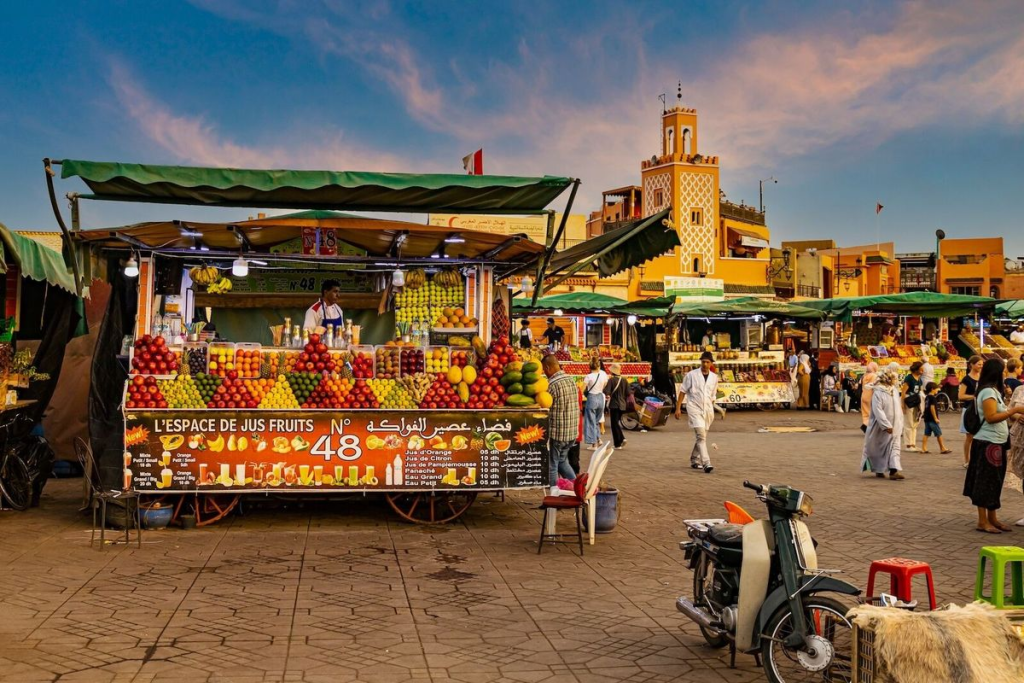
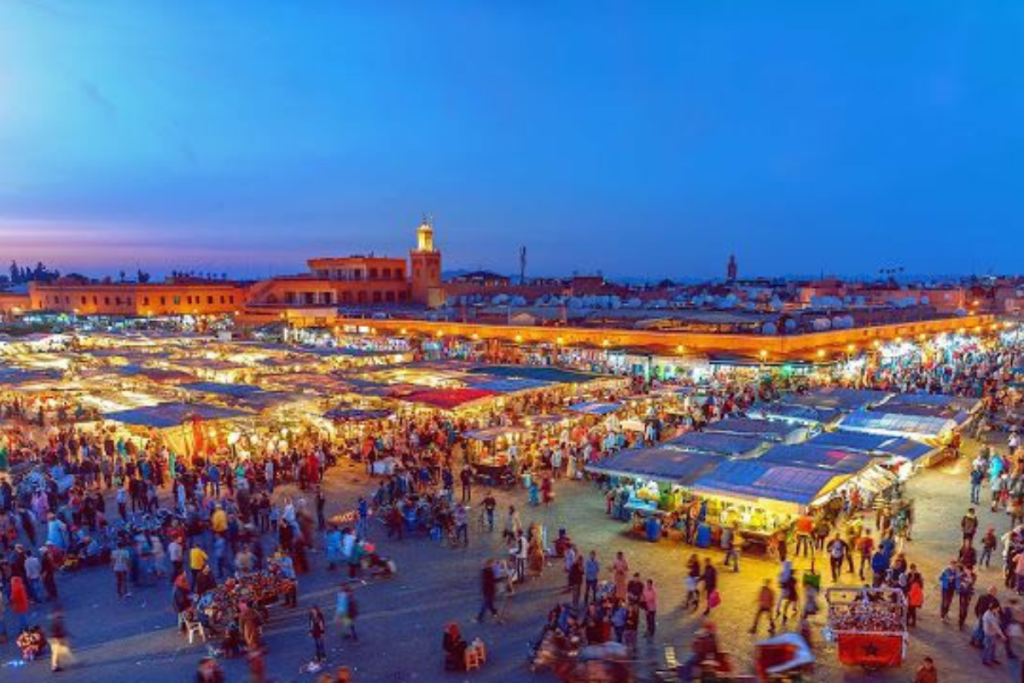
If Fes represents contemplation, Marrakech represents expression. The Red City pulses with life. Jemaa el‑Fnaa Square transforms daily from marketplace to theatrical stage. Musicians, storytellers, snake charmers, and food vendors create an atmosphere unlike any other in North Africa.Morocco travel in 2026
Through curated Tours from Marrakech, travelers explore Bahia Palace, the Saadian Tombs, and artisan souks filled with textiles, lanterns, and spices. Marrakech reveals Morocco’s ability to blend tradition with vibrant contemporary creativity.Morocco travel in 2026
Why Imperial Cities Matter First
Beginning your Moroccan journey in imperial cities establishes context. Understanding the craftsmanship of Fes and the theatrical energy of Marrakech deepens appreciation for what follows — mountains, desert, and coast.
Morocco is best experienced in sequence. Culture first. Landscape second. Reflection throughout.Morocco travel in 2026
Why Morocco Is the Most Transformative Travel Destination in 2026 (Part 2)
The Atlas Mountains: Morocco’s Natural Spine
Leaving the imperial cities behind, the landscape gradually transforms as the Atlas Mountains rise across the horizon. These mountains are not merely geographic features — they are cultural boundaries and lifelines. Stretching from the Atlantic coast to the Algerian border, the Atlas range divides climates, shapes agricultural systems, and shelters Amazigh communities whose traditions remain central to Moroccan identity.Morocco travel in 2026
Driving through the Middle Atlas, travelers encounter cedar forests, open valleys, and villages constructed from earth-toned stone. Towns such as Ifrane surprise visitors with alpine-style architecture, demonstrating Morocco’s climatic diversity. The mountains create a physical and symbolic transition: from the structured geometry of imperial cities to the organic flow of rural life.Morocco travel in 2026
Amazigh Villages: Life Anchored to the Mountains
In the High Atlas, Amazigh villages cling to steep slopes in seemingly improbable locations. Homes built from mud and stone blend seamlessly into surrounding cliffs. Terraced agriculture reflects centuries of adaptation to limited water and arable land.Morocco travel in 2026
Daily life here unfolds at a different pace. Families cultivate small plots, tend livestock, and maintain strong communal bonds. Hospitality remains a defining trait. Travelers who visit respectfully often experience tea shared in modest homes, offering insight into traditions preserved through resilience rather than modernization.Morocco travel in 2026
Crossing Tizi n’Tichka: The Passage Between Worlds
The Tizi n’Tichka Pass, one of the highest paved roads in North Africa, winds dramatically through the High Atlas Mountains. As the vehicle climbs steep curves, panoramic views reveal layers of peaks fading into the distance. The air cools noticeably.Morocco travel in 2026
Crossing this pass feels symbolic. It connects the lush northern regions with the arid southern plains. It marks the moment when travelers sense they are entering a different Morocco — one shaped more by desert winds than mountain breezes.Morocco travel in 2026
Approaching the Sahara: Gradual Transformation
Unlike the abrupt shift from city to airport found in many countries, Morocco’s approach to the Sahara is gradual and poetic. The fertile valleys give way to rocky plateaus. Palm groves appear unexpectedly, tracing rivers that sustain life in otherwise harsh terrain.Morocco travel in 2026
The Ziz Valley, with its long ribbon of palm trees, illustrates this contrast beautifully. It is a green corridor cutting through desert rock, historically sustaining caravan routes that linked sub‑Saharan Africa to Morocco’s imperial capitals.Morocco travel in 2026
The Sahara Desert: A Landscape of Immensity
Eventually, the dunes of Erg Chebbi rise from the horizon. Unlike mountains that impose through height, the Sahara overwhelms through space. Its immensity shifts perception. The absence of vertical boundaries creates psychological openness.
The Sahara is not just sand — it is light, shadow, and silence. During the day, sunlight reflects intensely off golden dunes. At sunset, the sand transforms into waves of orange and crimson. The landscape feels alive yet still.
Camel Trekking: Slowing the Human Rhythm
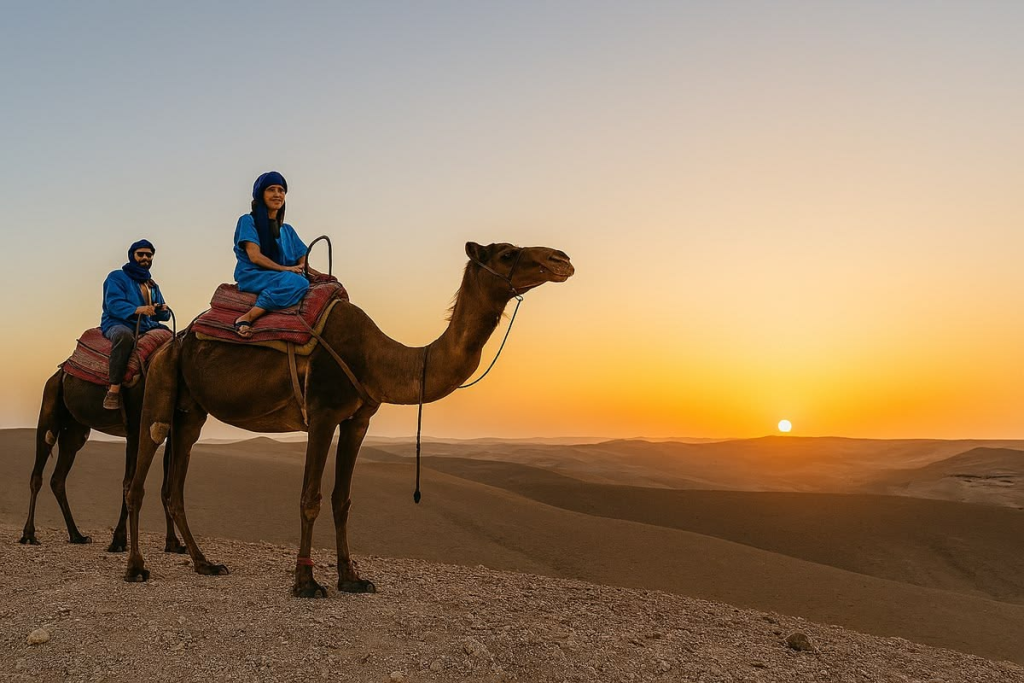
Traveling by camel across the dunes slows movement to a rhythm aligned with the desert. The gentle sway of the camel’s gait forces patience. There is no rushing across sand.Morocco travel in 2026
This slower pace encourages awareness — of breath, wind, and sound. Many travelers describe this as the moment Morocco begins to feel transformative rather than touristic.
Night in the Sahara: Confronting Silence
As night falls, desert camps glow softly under lantern light. Traditional music echoes briefly before fading into stillness. Then silence takes over completely.Morocco travel in 2026
Without city lights, the night sky reveals astonishing clarity. Stars appear in overwhelming numbers. The Milky Way stretches visibly across the darkness. This silence and scale encourage introspection, creating a rare opportunity to disconnect from digital noise and reconnect with self.
Desert Culture: Adaptation and Dignity
The Sahara is not empty territory — it is inhabited by Amazigh and formerly nomadic families who have adapted to its challenges for centuries. Their architecture, clothing, and music reflect survival in extreme conditions.Morocco travel in 2026
Hospitality in the desert carries weight. Offering tea or food is not symbolic; it is essential. These cultural gestures teach visitors humility and gratitude. Desert communities demonstrate how adaptation fosters dignity rather than deprivation.
From Dunes to Stone: Todra Gorge
Leaving the dunes behind, the terrain shifts dramatically once again. Todra Gorge rises as vertical limestone walls reaching hundreds of meters high. The narrow canyon creates an intimate environment after the open Sahara.
Walking between these towering cliffs emphasizes Morocco’s geological complexity. Water flows gently through the gorge, offering contrast to the dry dunes visited days before.
Dades Valley: The Valley of a Thousand Kasbahs
Further west lies the Dades Valley, where fortified kasbahs rise above fertile riverbanks. Historically, these structures protected caravans and local communities from invasion.
The valley’s winding roads and unusual rock formations create surreal scenery. It represents yet another version of Morocco — agricultural, defensive, and community-oriented.
Why Nature Changes Perspective
Across mountains, desert, and valleys, Morocco teaches through geography. The Atlas Mountains teach resilience. The Sahara teaches humility. The valleys teach adaptation.Morocco travel in 2026
Travelers who move through these regions sequentially often describe a gradual shift in perception. Morocco’s landscapes are not simply beautiful — they are instructive.
Why Morocco Is the Most Transformative Travel Destination in 2026 (Part 3)
Coastal Morocco: Where Two Seas Shape Identity
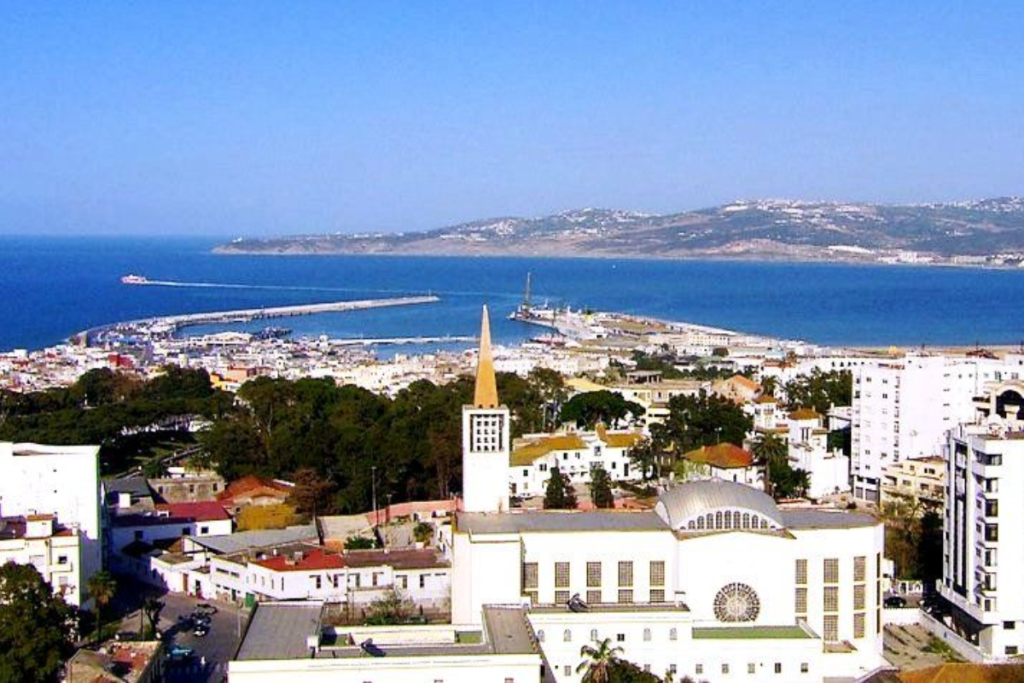
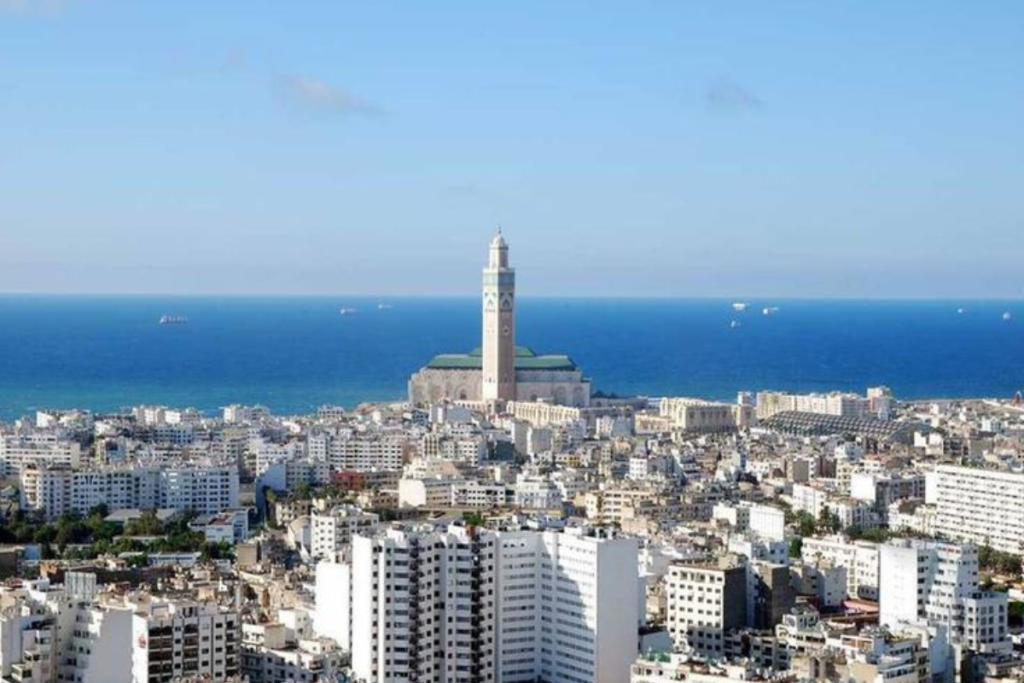
After crossing mountains and desert, Morocco’s coastline offers yet another shift in atmosphere. The Atlantic Ocean defines cities such as Casablanca, while the Mediterranean influences northern regions near Tangier. These coastal zones reflect openness, trade, and historical exchange.
Standing along the Corniche in Casablanca, one observes a modern skyline facing the vast Atlantic. Meanwhile, Tangier offers cliffside views where Europe feels geographically close. The meeting of sea and land reinforces Morocco’s role as a bridge between continents.Morocco travel in 2026
Essaouira and the Atlantic Wind
Further south, Essaouira introduces a slower coastal rhythm. Wind shapes both the waves and the town’s character. Blue fishing boats line the harbor, and fortified walls overlook crashing surf.
Essaouira reflects Morocco’s artistic dimension. Musicians, painters, and artisans gather here, blending maritime history with creative expression. The Atlantic coast provides balance after the intensity of imperial cities and desert silence.
Moroccan Cuisine: Geography on a Plate
Moroccan cuisine tells the story of its geography. In mountain regions, hearty tagines and barley bread reflect agricultural life. In the Sahara, simple yet flavorful dishes demonstrate adaptation to scarcity. Along the coast, seafood dominates.
Cities like Marrakech and Fes elevate cuisine into refined culinary art. Sweet-and-savory combinations such as pastilla reflect Andalusian influence, while spices like saffron, cumin, and cinnamon anchor Moroccan identity.
Mint Tea: The Ritual of Hospitality
Across all regions, mint tea remains a unifying ritual. The careful pouring from height into small glasses creates foam and signals welcome. It is served in homes, markets, desert camps, and city cafés alike.
This simple beverage symbolizes generosity and connection. In Morocco, hospitality is not transactional — it is foundational.
Craftsmanship: Time Preserved in Handwork
Moroccan craftsmanship stands as one of the country’s greatest cultural achievements. In Fes, ceramic tiles are cut by hand into geometric shapes. In Marrakech, metal lanterns are perforated with delicate patterns. In desert regions near Ouarzazate, earthen architecture demonstrates climate adaptation.
These crafts require patience and discipline. In a fast-paced global economy, Moroccan artisans continue working slowly and deliberately. Supporting these traditions ensures their survival for future generations.
Modern Morocco: Innovation Without Erasing Heritage
Despite its ancient roots, Morocco is not static. Casablanca’s skyline represents economic growth. Renewable energy projects, including solar farms in southern regions, demonstrate environmental commitment.
Young Moroccan designers blend traditional patterns with contemporary fashion. Musicians fuse Gnawa rhythms with global genres. Morocco evolves without abandoning its cultural core.
The Emotional Aftermath of Travel
Traveling through Morocco often leaves a lasting imprint. The silence of the Sahara lingers in memory. The intricate details of medina architecture remain vivid. The warmth of shared tea echoes long after departure.
Morocco challenges expectations. It slows internal rhythms. It invites reflection rather than consumption. Many travelers describe returning home with altered perspective — more patient, more aware, more grounded.
Why Morocco Resonates in 2026
In a world increasingly dominated by digital distraction and rapid consumption, Morocco offers something rare: depth. It requires engagement. It rewards curiosity.
Through immersive experiences organized by Morocco Good Travel, visitors do not simply see Morocco — they participate in its living narrative.
A Journey That Connects Everything
From Fes to the Sahara, from Atlas villages to Atlantic shores, Morocco presents a cohesive yet diverse journey. Each landscape prepares you for the next.
The country functions as a story told across geography. It cannot be reduced to one city, one desert, or one experience. Its transformative power lies in the transitions between them.
the tours in morrocco
Marrakech tours:
- Tour 3-Days from Marrakech to Fez through Sahara
- Tour-3-days-from-marrakech-to-desert-merzouga
- Tour 4-Days from Marrakech to Merzouga by Ouarzazate
- Tour 4-Days from Marrakech to Fez and desert
- Tour 5-Days from Marrakech to Merzouga by Ouarzazate
- Tour 5-Days from Marrakech to Fes via desert Merzouga
- Tour 6-Days from Marrakech to Desert Merzouga
- Tour 7-Days from Marrakech to Fes and Desert
- Tour 7-Days from Marrakech to Fes by Ouarzazate
Fes tours:
- Tour 2-Days From Fes To Desert Merzouga by Errachidia
- Tour 3-Days Desert from Fez to Merzouga by Rissani
- Tour 3-Days from Fez to Marrakech via Ait Ben Haddou
- Tour 5-Days from Fez to Marrakech via Merzouga desert
- Tour 4-Days from Fez to Marrakech and Merzouga desert
- Tour 2-Days From Fes To Desert Merzouga by Errachidia
Casablanca tours:
- Tour 6-Days Morocco Tour from Casablanca by Fes and Merzouga
- Tour 7-Days Morocco Tour from Casablanca
- Tour 9-Days Morocco Tour from Casablanca
- Tour 8-Days from Casablanca to Fez Marrakech and desert
- Tour 10-Days desert from Casablanca to Marrakech and Fez
- Tour 14-Days from Casablanca to Marrakech via Fez and Essaouira
Tangier tours:
- Tour 7-Days desert from Tangier to Marrakech
- Tour 10-Days from Tangier to Marrakech and Merzouga
- Tour 12-Days from Tangier to Marrakech and Essaouira
Ouarzazate tours:
- Tour 2-Days desert from Ouarzazate to Errachidia
- Tour 3-Days desert from Ouarzazate to Merzouga
- Tour 4-Days desert from Ouarzazate to Merzouga
Conclusion: Morocco as Continuous Discovery
Morocco is not a destination to be checked off a list. It is a continuous discovery — of history, landscape, culture, and self. Beginning in its imperial cities, crossing its mountains, sleeping beneath desert stars, and standing on its shores reveals a nation of profound contrast and harmony.
In 2026 and beyond, Morocco remains one of the world’s most transformative travel experiences — not because it is exotic, but because it is authentic, layered, and alive.