Morocco Good Travel: The Ultimate Cultural and Desert Journey
Discover the Real Morocco Through Authentic Experiences
Traveling through Morocco is far more than visiting monuments or taking photographs. It is about entering a living cultural landscape shaped by centuries of history, craftsmanship, and hospitality. With Morocco Good Travel, visitors gain access to authentic experiences that go beyond traditional tourism and reveal the true identity of the country.
Morocco offers a rare diversity of landscapes within relatively short travel distances. From vibrant imperial cities to peaceful coastal towns and vast desert dunes, each region presents a different atmosphere. Choosing Morocco Good Travel allows travelers to connect these destinations into one seamless and meaningful journey.
The Imperial Cities That Define Morocco’s Cultural Heritage
Marrakech: Energy, Color, and Timeless Tradition
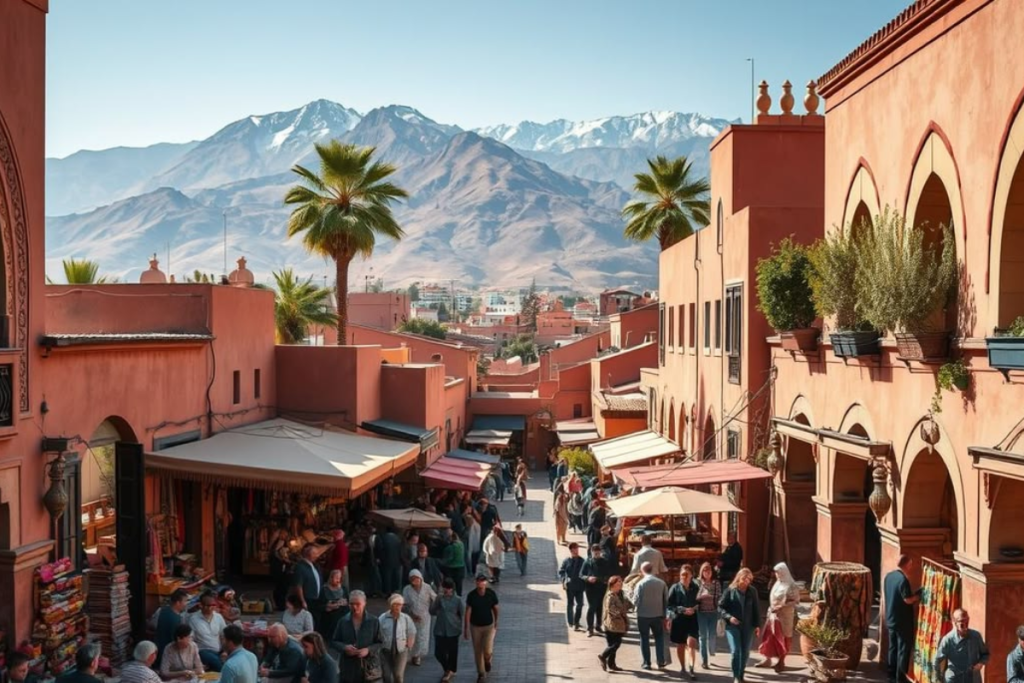
Few destinations capture Morocco’s spirit like Marrakech. Known as the Red City, Marrakech is famous for its terracotta walls, bustling souks, and architectural treasures that reflect centuries of artistic mastery. Walking through its historic medina reveals vibrant textiles, handcrafted lanterns, aromatic spices, and skilled artisans preserving traditional techniques.
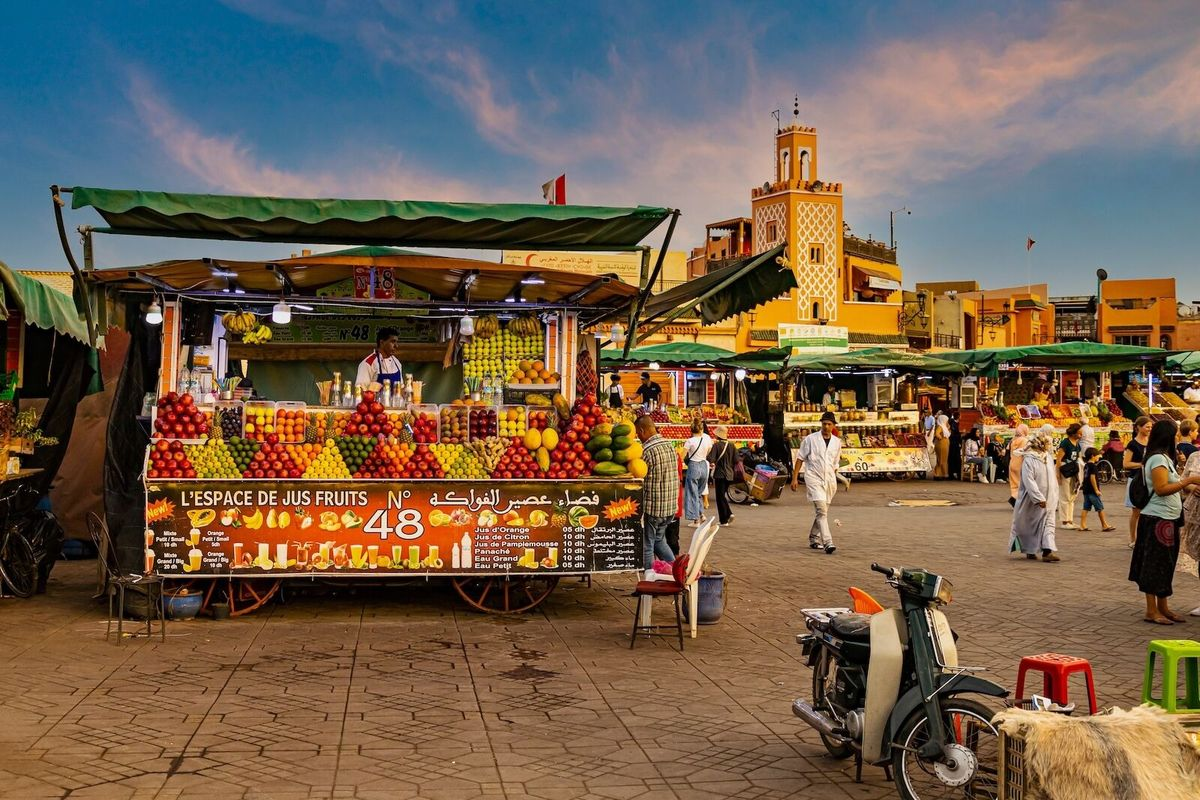
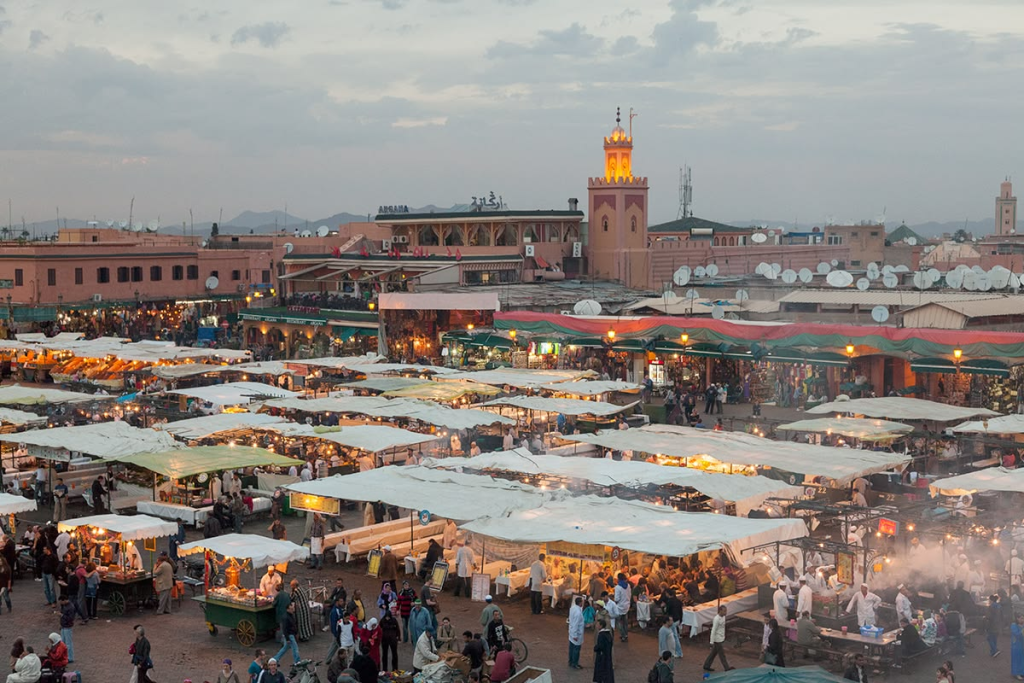
At the heart of the city lies Jemaa el-Fnaa, a square that transforms throughout the day. During the morning, it feels relaxed and traditional, while evenings bring music, storytelling, and open-air dining. Exploring Marrakech offers an unforgettable introduction to Morocco’s cultural richness and dynamic energy.
Beyond the markets, Marrakech also offers peaceful escapes such as traditional riads and historic gardens. The contrast between lively streets and tranquil courtyards perfectly illustrates the balance that defines Moroccan urban life.
Fes: The Spiritual and Intellectual Capital
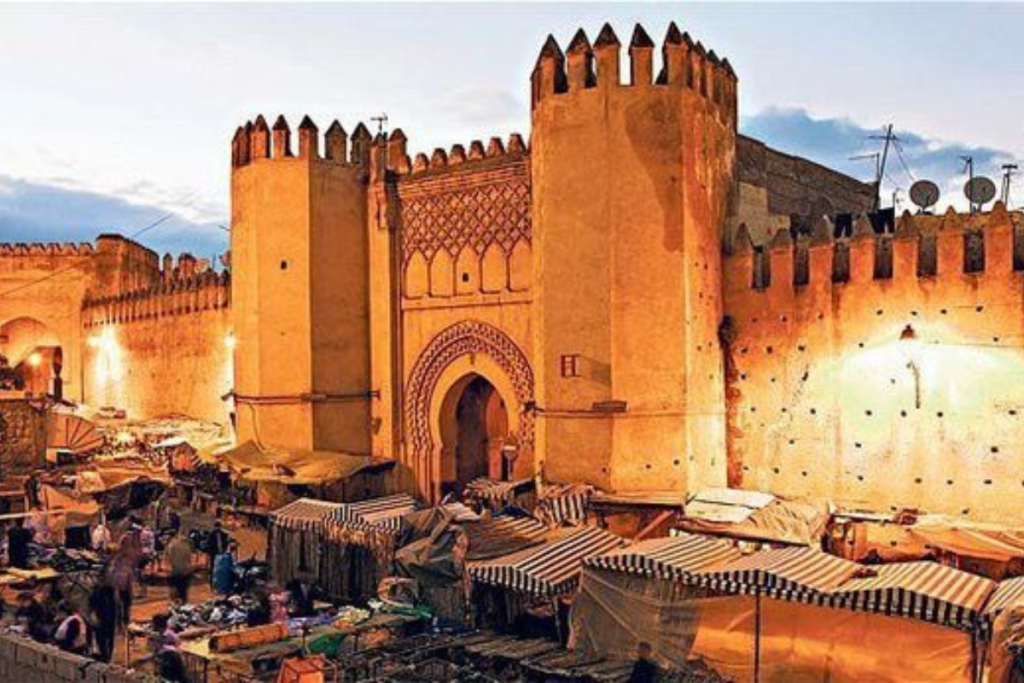
For travelers seeking depth and authenticity, Fes stands as one of Morocco’s most important cultural centers. As one of the country’s oldest imperial cities, Fes preserves its medieval medina almost unchanged, offering visitors a glimpse into centuries of intellectual and spiritual development.
Within the narrow alleys of Fes, artisans continue to craft ceramics, leather goods, and intricate woodwork using ancestral methods. The famous tanneries remain one of the city’s most iconic sights, demonstrating techniques that have endured for generations. Visiting Fes is not simply sightseeing; it is a journey through Morocco’s scholarly and artistic heritage.
Because of its preserved traditions and educational legacy, Fes provides a powerful contrast to the vibrant pace of Marrakech. Together, these cities form the cultural foundation of any well-designed Moroccan itinerary.
Casablanca: Modern Morocco by the Atlantic
While imperial cities reflect Morocco’s ancient heritage, Casablanca represents its modern development. As Morocco’s economic capital, Casablanca blends contemporary infrastructure with significant architectural landmarks.
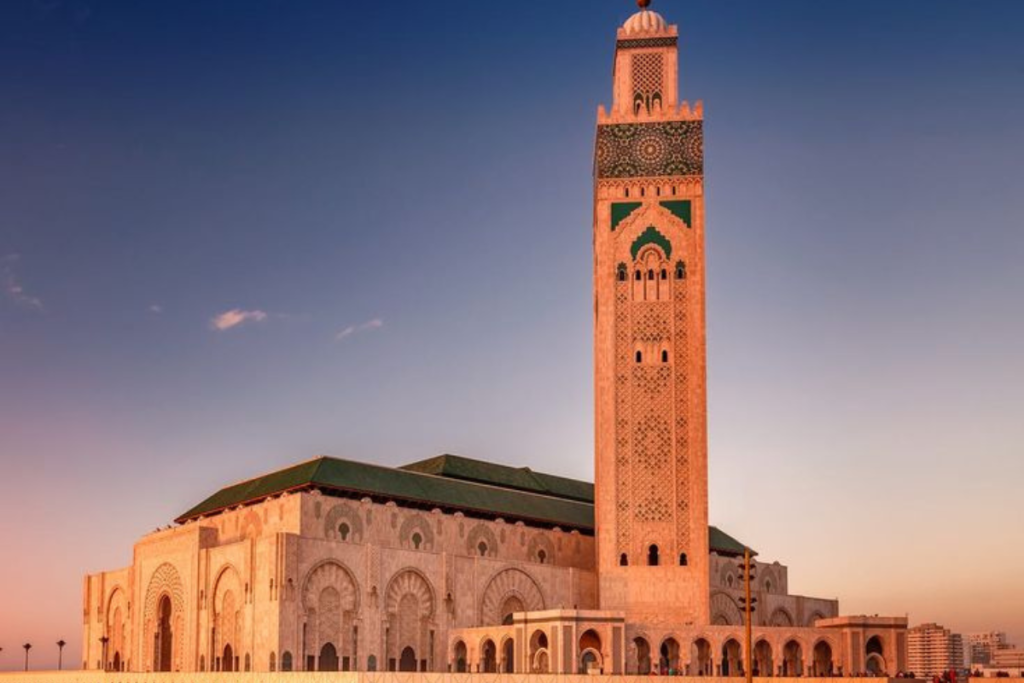
The Hassan II Mosque, overlooking the Atlantic Ocean, stands as one of the largest and most impressive mosques in the world. Exploring Casablanca reveals how Morocco balances tradition with progress. The city’s coastal promenades and urban energy offer a different yet complementary perspective to the historic imperial centers.
Northern Morocco: Where Cultures Converge
Tangier: Gateway Between Continents
Located at the northern edge of the country, Tangier occupies a unique geographical and cultural position. Overlooking the Strait of Gibraltar, the city has long served as a meeting point between Africa and Europe.
Throughout history, Tangier attracted writers, artists, and diplomats drawn to its international atmosphere. Today, visitors can explore the Kasbah Museum, stroll along the Corniche, and admire views where the Atlantic Ocean meets the Mediterranean Sea. Tangier adds cosmopolitan character and coastal beauty to any Moroccan journey.
The city’s relaxed rhythm contrasts with the intensity of imperial centers, offering travelers an opportunity to experience Morocco’s diverse influences in one location.
Ouarzazate and the Gateway to the Sahara
Ouarzazate: Desert Landscapes and Historic Kasbahs
Often described as the gateway to the Sahara, Ouarzazate introduces visitors to Morocco’s dramatic desert scenery. Surrounded by rugged mountains and palm-filled valleys, the region provides breathtaking views shaped by natural light and vast horizons.
The nearby Aït Ben Haddou, a UNESCO World Heritage Site, stands as one of Morocco’s most iconic architectural treasures. Departing from Ouarzazate, travelers can explore ancient kasbahs and scenic routes that gradually lead toward the golden dunes of the Sahara.
The atmosphere here feels quieter and more expansive, allowing visitors to appreciate Morocco’s natural grandeur alongside its architectural heritage.
The Transformative Experience of the Sahara Desert
No journey through Morocco feels complete without experiencing the desert. Through carefully organized itineraries with Morocco Good Travel, travelers cross mountain passes before arriving at vast dunes stretching endlessly toward the horizon.
Camel rides at sunset create moments of peaceful reflection as the sky shifts into shades of orange and gold. Evenings spent in desert camps beneath star-filled skies provide a sense of silence rarely found in modern life. The Sahara adds emotional depth and adventure to the cultural exploration of Morocco’s cities.
This contrast between vibrant urban life and tranquil desert landscapes defines the richness of a complete Moroccan journey.
Moroccan Cuisine and Hospitality
Food plays an essential role in understanding Moroccan culture. Traditional dishes such as tagine and couscous reflect centuries of culinary exchange influenced by Berber, Arab, and Andalusian traditions.
Across cities and desert camps alike, meals are shared generously, emphasizing community and hospitality. Traveling with Morocco Good Travel allows visitors to enjoy authentic culinary experiences that strengthen their cultural connection.
From bustling markets filled with spices to intimate family-style dinners, Moroccan cuisine becomes a powerful bridge between visitors and local communities.
Planning a Balanced Morocco Itinerary
Designing a meaningful Moroccan itinerary requires balancing historic cities, coastal landscapes, and desert exploration. Starting in Marrakech or Fes allows travelers to immerse themselves in heritage before expanding toward northern cities or desert regions.
Including destinations such as Casablanca, Tangier, and Ouarzazate creates variety in scenery and atmosphere. Through thoughtful planning with Morocco Good Travel, visitors can experience Morocco’s diversity without feeling rushed.
Ultimately, Morocco offers a complete journey—one that blends culture, history, architecture, cuisine, and natural beauty into a cohesive and unforgettable experience.