The Cultural Heritage of Morocco
Introduction: Morocco as a Living Cultural Civilization
Morocco is not merely a destination defined by landscapes or monuments; it is a civilization shaped by centuries of interaction between Africa, the Arab world, Europe, and the Mediterranean basin. Its cultural identity has evolved through Amazigh foundations, Islamic scholarship, Andalusian refinement, Saharan trade routes, and colonial encounters. Travelers who explore the country through immersive journeys with Morocco Good Travel quickly discover that Morocco’s heritage is not confined to museums or historical texts — it lives in architecture, daily rituals, crafts, cuisine, language, and music.
What distinguishes Morocco from many destinations is its remarkable ability to preserve tradition while embracing modern transformation. In cities such as Marrakech and Fes, centuries-old medinas function as living neighborhoods rather than preserved relics. Meanwhile, modern districts in Casablanca and Tangier reveal a society actively shaping its future. Understanding Moroccan culture means understanding this balance between continuity and adaptation.
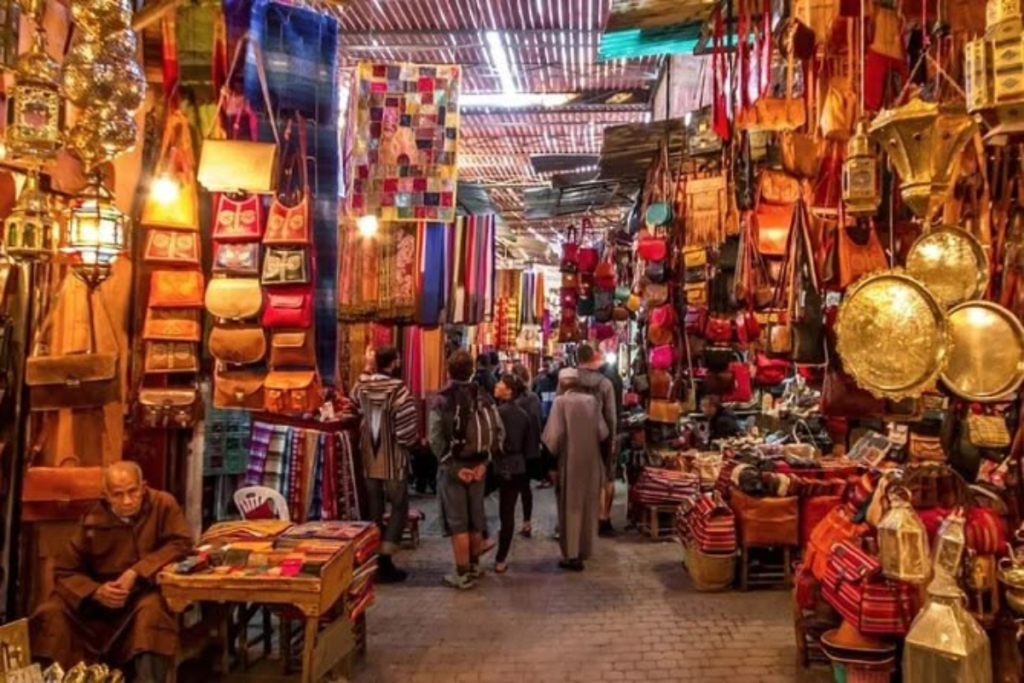
Amazigh Origins: The Indigenous Foundations of Morocco
The Amazigh people, often referred to as Berbers, represent the indigenous roots of Morocco. Long before Arab dynasties or European influence, Amazigh communities inhabited the Atlas Mountains, Rif Mountains, and desert regions near Ouarzazate. Their language, Tamazight, remains officially recognized today, and their cultural presence continues to shape Moroccan identity in profound ways.
Amazigh society emphasizes resilience, communal cooperation, and environmental adaptation. Terraced farming in mountainous areas, fortified villages built from earth, and symbolic jewelry designs all reflect practical and spiritual connections to the land. Visitors traveling through southern Morocco with Morocco Good Travel often encounter these traditions firsthand, witnessing how indigenous identity remains central to national heritage.
Islamic Scholarship and Spiritual Architecture
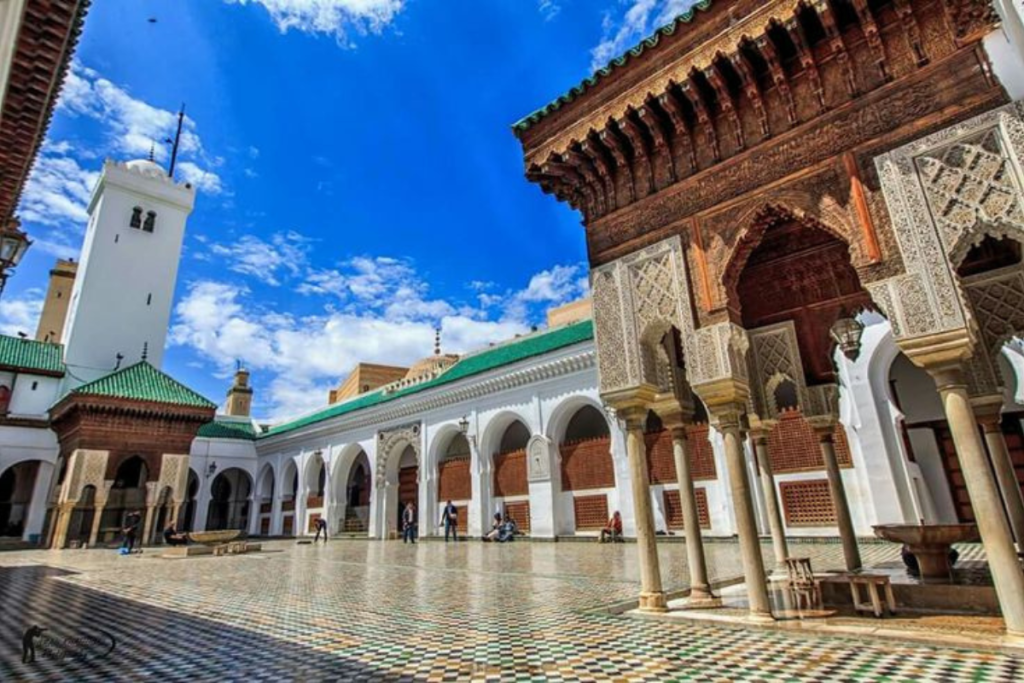
Islam has deeply influenced Moroccan culture since the 7th century, shaping social norms, artistic expression, and urban development. Cities such as Fes became centers of theological and scientific scholarship, attracting students from across North Africa and beyond. The Al-Qarawiyyin University stands as a symbol of Morocco’s intellectual legacy.
Moroccan Islamic architecture blends spirituality with mathematical precision. Zellige tilework, carved stucco, geometric wood patterns, and Quranic calligraphy create visual harmony rooted in religious symbolism. In Marrakech, the Koutoubia Mosque demonstrates this architectural elegance, while modern mosques in Casablanca reflect continuity in spiritual design.
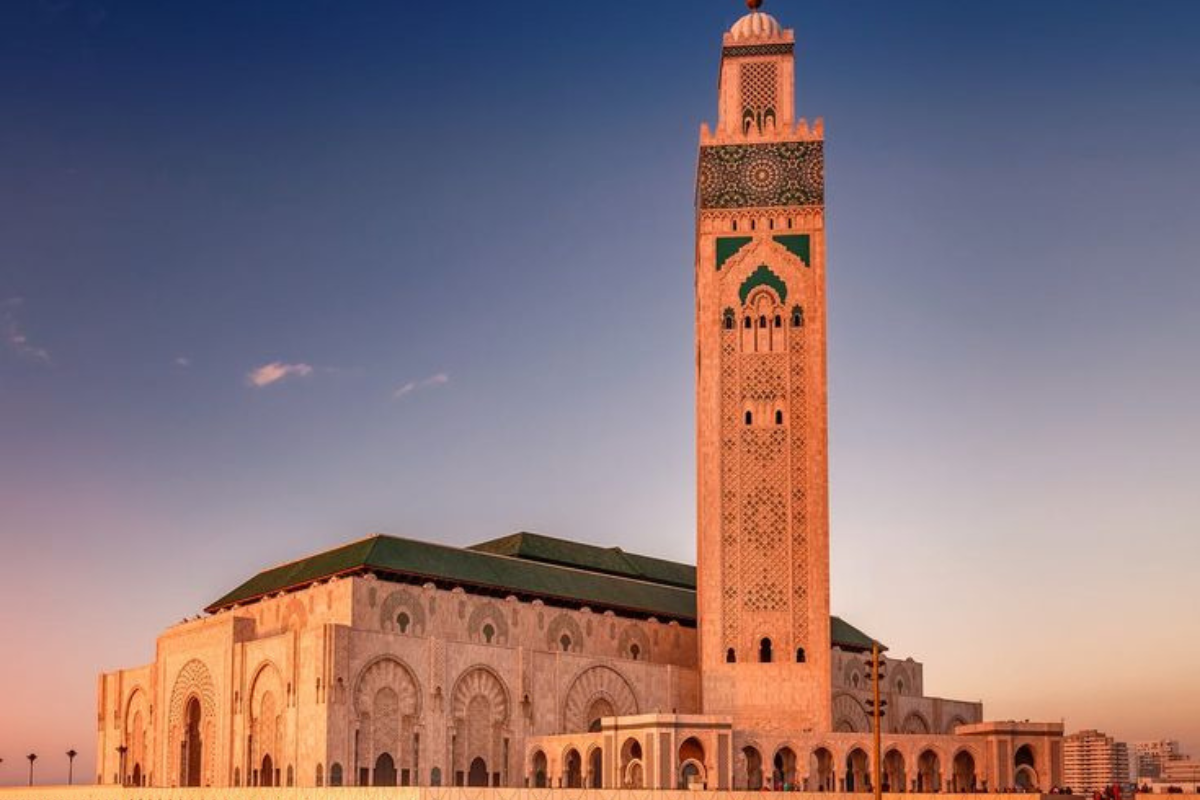
Imperial Cities as Cultural Pillars
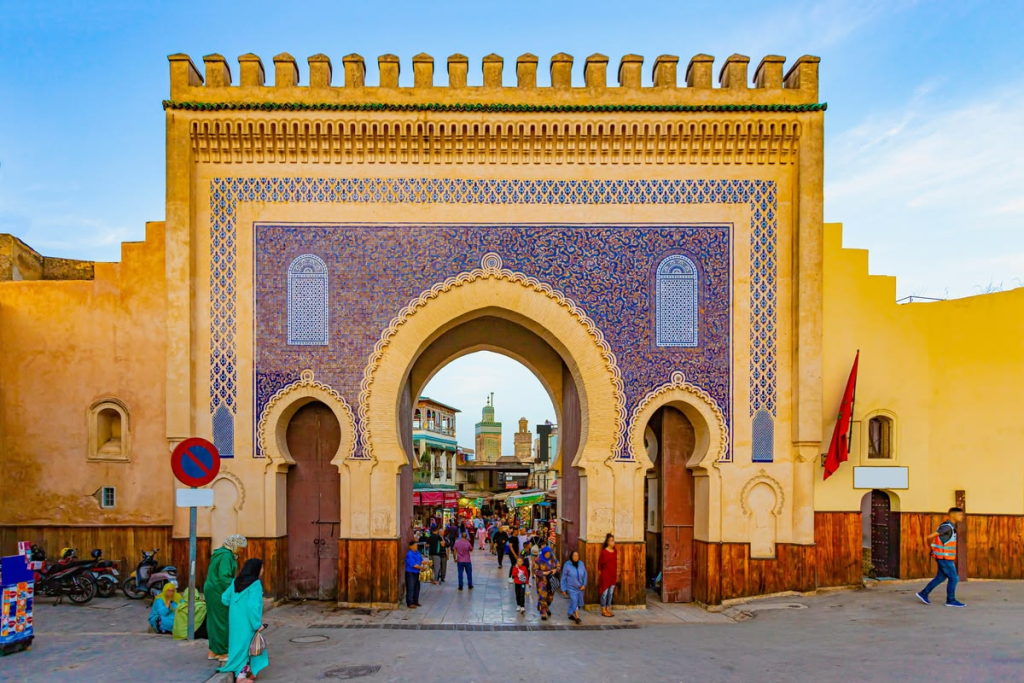
Morocco’s imperial cities—Fes, Marrakech, Meknes, and Rabat—serve as cultural pillars of the nation. Each dynasty left architectural and artistic legacies that define the country’s visual identity. Exploring Fes tours reveals medieval craftsmanship, while walking through Marrakech exposes palaces, gardens, and lively marketplaces.
These cities were not merely political capitals; they were cultural laboratories where scholars, artisans, and traders converged. Their medinas continue to function as living ecosystems of commerce and community. Through structured cultural journeys with Morocco Good Travel, travelers can appreciate how imperial heritage continues to influence contemporary life.
Craftsmanship: The Art of Precision and Continuity
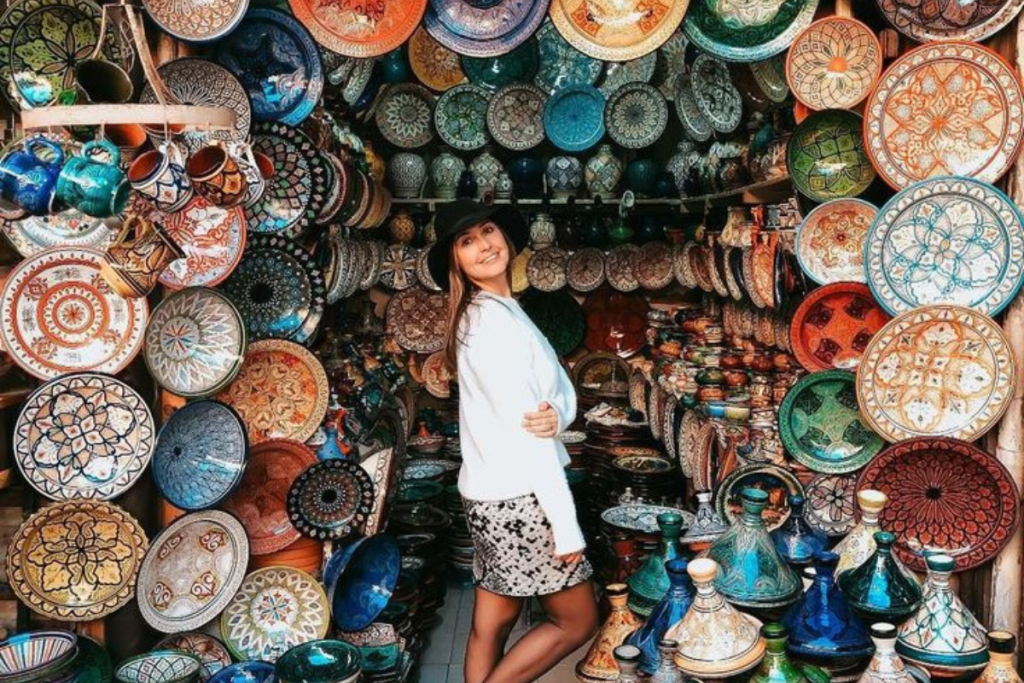
Moroccan craftsmanship represents one of the most visible and enduring aspects of cultural identity. In medinas across Fes and Marrakech, artisans create ceramics, lanterns, carpets, and leather goods using techniques refined over generations. These skills are not industrial shortcuts but patient processes rooted in discipline.
Each region carries distinctive patterns and materials. Carpet weaving in the Atlas Mountains differs from that in desert regions near Ouarzazate. The symbolism embedded in these designs tells stories of tribal lineage, spirituality, and environment. Craftsmanship is therefore not only economic activity but cultural storytelling.
Music, Rhythm, and Oral Tradition
Music in Morocco reflects its geographic diversity and historical exchanges. In coastal cities such as Tangier, Andalusian melodies blend with contemporary influences. In Marrakech and Essaouira, Gnawa music rooted in sub-Saharan spiritual traditions fills festival stages.
Music also serves as oral history. Traditional instruments like the guembri and oud accompany storytelling traditions that preserve collective memory. Cultural festivals organized across Morocco celebrate these diverse sounds, reinforcing the country’s multicultural identity.
Cuisine: A Culinary Reflection of History
Moroccan cuisine reflects centuries of trade and migration. Amazigh staples such as barley and olive oil combine with Arab spices and Andalusian sweetness. Coastal regions near Casablanca incorporate fresh seafood, while inland cities emphasize slow-cooked tagines.
Meals are communal and symbolic. Couscous served on Fridays, mint tea offered to guests, and elaborate pastries prepared during celebrations reflect values of hospitality and generosity. Travelers experiencing culinary tours through Morocco Good Travel gain insight into how food embodies cultural fusion.
Language and Multilingual Society
Morocco’s linguistic landscape reflects its layered history. Arabic and Tamazight are official languages, while French and Spanish remain widely spoken due to colonial history and geographic proximity. In Tangier, Spanish influence remains visible in daily conversation.
English has grown in importance within tourism and global communication. This multilingual environment reinforces Morocco’s adaptability and openness, enabling it to engage with multiple cultural spheres simultaneously.
Clothing and Identity
Traditional garments such as the djellaba and kaftan reflect both modesty and elegance. Embroidery and fabric choice vary by region, indicating social status and celebration. In urban centers like Casablanca, contemporary fashion integrates traditional elements with modern design.
Amazigh jewelry, particularly silver pieces, carries symbolic meaning tied to protection and fertility. Clothing therefore becomes both personal expression and cultural preservation.
Modern Morocco: Innovation Within Tradition
Modern Morocco continues to evolve while maintaining cultural integrity. Contemporary architecture rises beside ancient medinas, particularly in cities like Casablanca. Innovation in art, design, and entrepreneurship reflects youthful ambition.
Young creatives blend global trends with ancestral craftsmanship. Rather than replacing tradition, modernization reinterprets it. This adaptability ensures that Moroccan culture remains dynamic rather than static.
Hospitality as Cultural Foundation
Hospitality in Morocco transcends tourism. Sharing tea, inviting guests to dine, and offering assistance reflect deeply embedded social values. Whether in rural villages near Ouarzazate or urban homes in Marrakech, welcoming others remains a moral principle.
This cultural emphasis on generosity leaves lasting impressions on visitors. Through meaningful travel experiences with Morocco Good Travel, guests experience hospitality as a genuine expression of identity.

Marrakech tours:
- Tour 3-Days from Marrakech to Fez through Sahara
- Tour-3-days-from-marrakech-to-desert-merzouga
- Tour 4-Days from Marrakech to Merzouga by Ouarzazate
- Tour 4-Days from Marrakech to Fez and desert
- Tour 5-Days from Marrakech to Merzouga by Ouarzazate
- Tour 5-Days from Marrakech to Fes via desert Merzouga
- Tour 6-Days from Marrakech to Desert Merzouga
- Tour 7-Days from Marrakech to Fes and Desert
- Tour 7-Days from Marrakech to Fes by Ouarzazate
Fes tours:
- Tour 2-Days From Fes To Desert Merzouga by Errachidia
- Tour 3-Days Desert from Fez to Merzouga by Rissani
- Tour 3-Days from Fez to Marrakech via Ait Ben Haddou
- Tour 5-Days from Fez to Marrakech via Merzouga desert
- Tour 4-Days from Fez to Marrakech and Merzouga desert
- Tour 2-Days From Fes To Desert Merzouga by Errachidia
Casablanca tours:
- Tour 6-Days Morocco Tour from Casablanca by Fes and Merzouga
- Tour 7-Days Morocco Tour from Casablanca
- Tour 9-Days Morocco Tour from Casablanca
- Tour 8-Days from Casablanca to Fez Marrakech and desert
- Tour 10-Days desert from Casablanca to Marrakech and Fez
- Tour 14-Days from Casablanca to Marrakech via Fez and Essaouira
Tangier tours:
- Tour 7-Days desert from Tangier to Marrakech
- Tour 10-Days from Tangier to Marrakech and Merzouga
- Tour 12-Days from Tangier to Marrakech and Essaouira
Ouarzazate tours:
- Tour 2-Days desert from Ouarzazate to Errachidia
- Tour 3-Days desert from Ouarzazate to Merzouga
- Tour 4-Days desert from Ouarzazate to Merzouga
Conclusion: Morocco as a Living Cultural Mosaic
Morocco cannot be defined by a single narrative. It is a mosaic of Amazigh roots, Islamic scholarship, Andalusian refinement, and global interaction. Each city, region, and tradition contributes to a unified yet diverse cultural landscape.
Through immersive journeys with Morocco Good Travel, travelers encounter Morocco not as a static museum but as a living civilization. Its culture breathes through music, architecture, language, cuisine, and everyday life, offering an experience both timeless and continually evolving.