
Introduction:
Morocco is a country where history feels alive. One day you’re standing beside monumental architecture, and the next you’re wandering through an ancient medina where crafts, spices, and daily life flow through narrow lanes. If you want to experience Morocco’s most iconic cities in a short, well-paced itinerary, a 7-day imperial route is one of the smartest ways to do it.
This Morocco itinerary 7 days style journey is designed to connect the country’s most important imperial cities—starting in Casablanca and continuing through Rabat, Meknes, Fes, and Marrakech. Along the way, you’ll explore major landmarks, discover cultural “hidden layers,” and enjoy the kind of travel rhythm that works especially well in a small group setting.
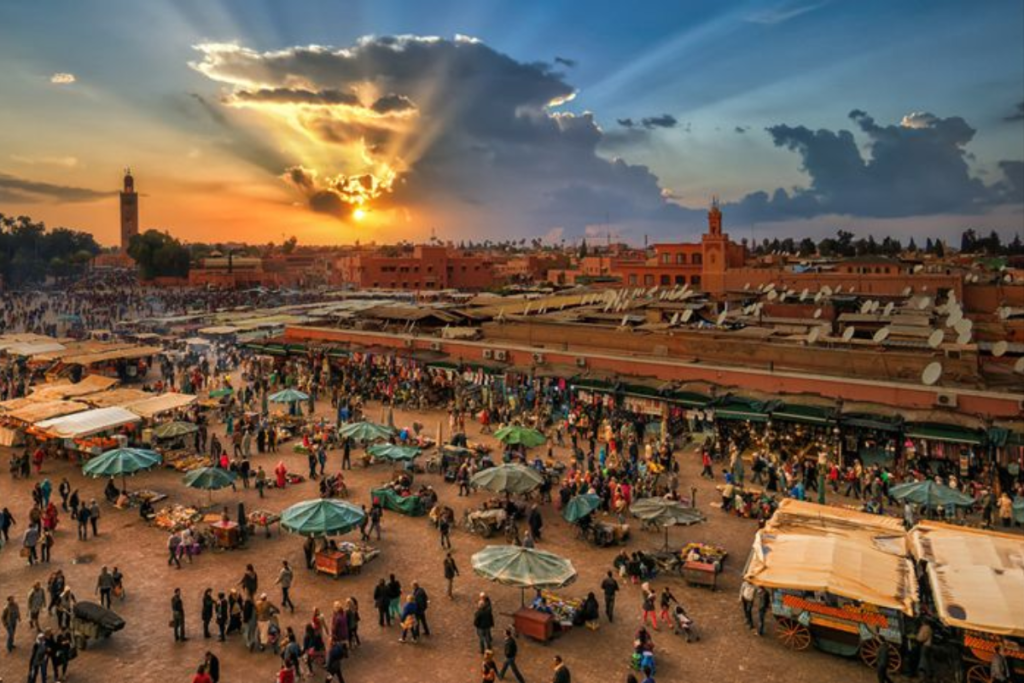
Why This 7-Day Tour Works So Well
Morocco has many regions, and it’s easy to overpack a route and spend too much time in transit. However, this itinerary focuses on imperial highlights that are naturally connected by geography and story. As a result, you spend less time rushing and more time experiencing Morocco’s architecture, markets, and cultural atmosphere.
Additionally, this route is ideal for both first-time travelers and returning visitors. First-timers get a strong overview of the country’s most famous city experiences, while seasoned travelers enjoy revisiting classics with better structure and deeper context. If you’re comparing Morocco travel packages, this is one of the most efficient ways to see a lot in a short period without turning the trip into an exhausting checklist.
Day-by-Day Itinerary (Casablanca to Marrakech)
Arrival in Casablanca
Your trip begins in Casablanca, Morocco’s largest city and a common international gateway. After you arrive, you’ll typically meet your guide, transfer to your hotel, and ease into the country with a relaxed first evening. This is a smart approach because it gives you time to rest and adjust after travel.
Most travelers prioritize the Casablanca city tour experience early, especially the iconic mosque visit. Starting the itinerary this way also sets expectations for comfort and pacing, which is important for a great week-long trip.
Casablanca Highlights: Hassan II Mosque
One of Casablanca’s most famous attractions is the mosque visit, which is often described as one of Morocco’s most impressive architectural experiences. It’s a powerful introduction to Moroccan craftsmanship, scale, and design detail. Moreover, it’s an easy first-day landmark because the experience is visually dramatic without requiring long walking distances.
If you want the experience to feel seamless, pairing it with a well-paced Casablanca tours plan can help with timing, entry flow, and context. Consequently, you spend less time guessing logistics and more time appreciating the architecture.
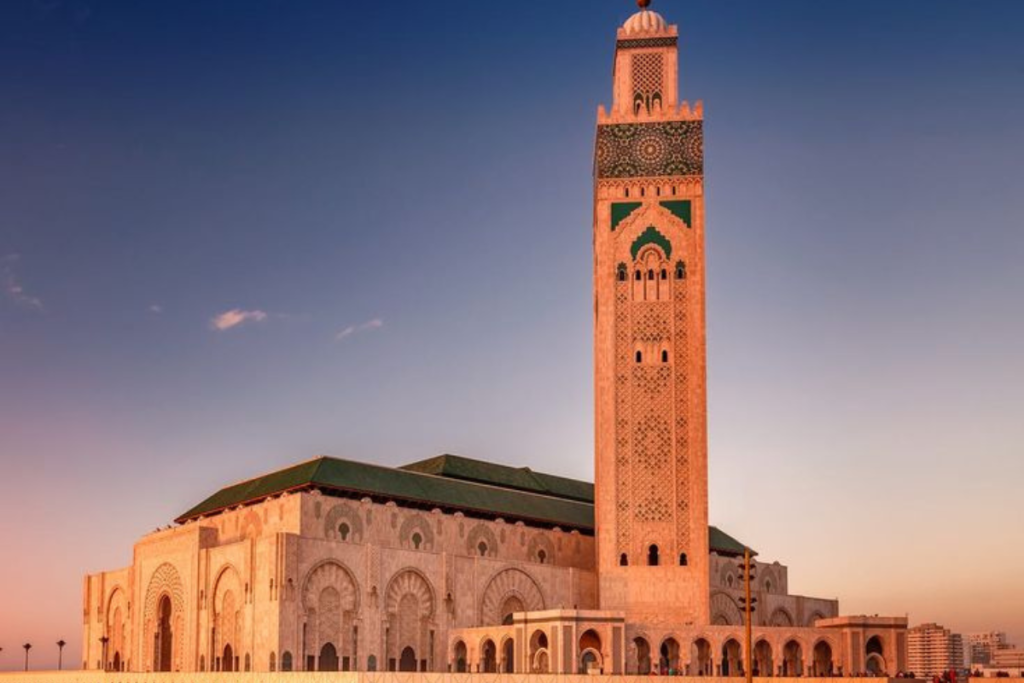
Casablanca tours:
- Tour 6-Days Morocco Tour from Casablanca by Fes and Merzouga
- Tour 7-Days Morocco Tour from Casablanca
- Tour 9-Days Morocco Tour from Casablanca
- Tour 8-Days from Casablanca to Fez Marrakech and desert
- Tour 10-Days desert from Casablanca to Marrakech and Fez
- Tour 14-Days from Casablanca to Marrakech via Fez and Essaouira
Casablanca to Rabat
Next, you travel to Rabat, Morocco’s capital, which has played a major historical role over centuries. Rabat often feels calmer than some other cities, so it can be a nice “breather” after Casablanca while still delivering major heritage sites and a strong sense of place.
Typical highlights include the Royal Palace area, the Kasbah of the Udayas, the Hassan Tower, and time inside the medina. Importantly, this day usually includes free time as well, so you can explore at your own pace and enjoy the city’s more relaxed atmosphere.
Rabat to Meknes
Meknes is known for its imperial heritage and is sometimes called the “Moroccan Versailles,” especially for travelers who enjoy monumental gates, grand structures, and historical city planning. This day often feels compact and satisfying because the key sites are well-defined and naturally connect into a strong narrative.
Common visits include Bab Mansour, the Royal Stables, and the Mausoleum of Moulay Ismail. After that, you’ll often have time to explore markets and souks at a comfortable pace, which is ideal if you want shopping time without the pressure of a fast-moving schedule.
Meknes to Fes
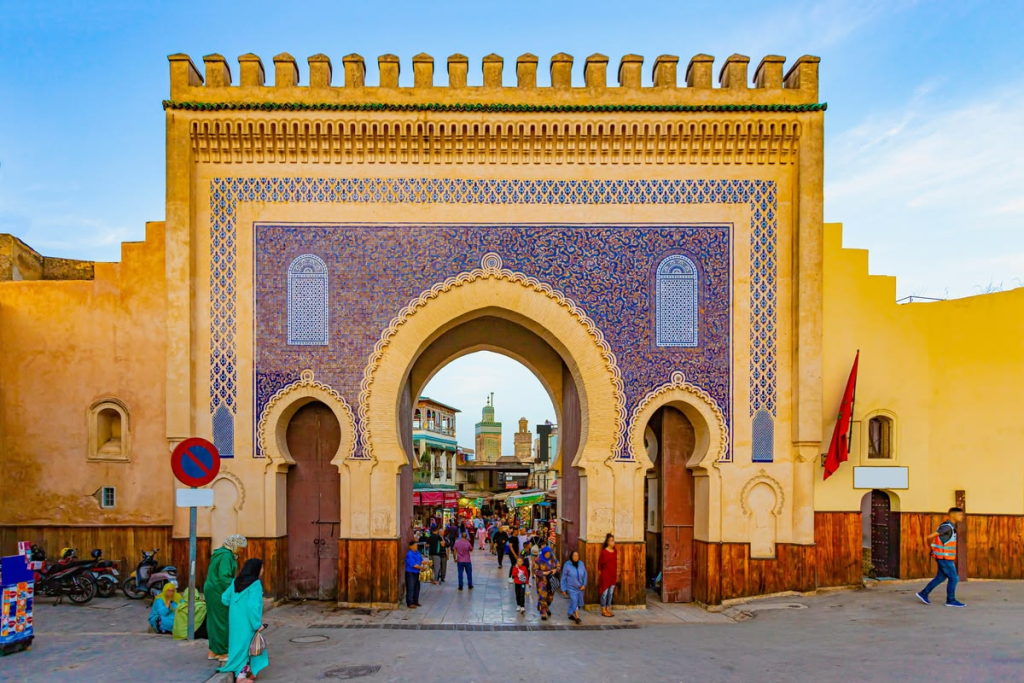
Fes is one of Morocco’s most historically significant cities, and it’s famous for its deeply preserved old medina experience. The city is often described as a living museum, where tradition is not staged—it’s simply daily life continuing inside ancient streets. Because of that, Fes is best enjoyed with good pacing and a clear plan.
This is where Fes guided tours can make a major difference, especially if you want to understand what you’re seeing and avoid wasting time navigating the maze-like layout. Many itineraries include medina highlights plus historic madrasas such as Bou Inania and Al-Attarine.
Full Day in Fes: Culture, Jewish Quarter, and Local Experiences
A second day in Fes lets you go deeper instead of rushing through the city’s most famous points. Travelers often explore the Jewish Quarter, view the Royal Palace area from the outside, and visit sites like the Borj Nord Arms Museum. This extra time matters because it helps the city feel meaningful rather than overwhelming.
Additionally, this is a perfect day to include hands-on cultural activities like a cooking class. It’s a memorable way to experience Morocco beyond sightseeing and it aligns naturally with Morocco cultural tours that emphasize tradition, food, and daily life.
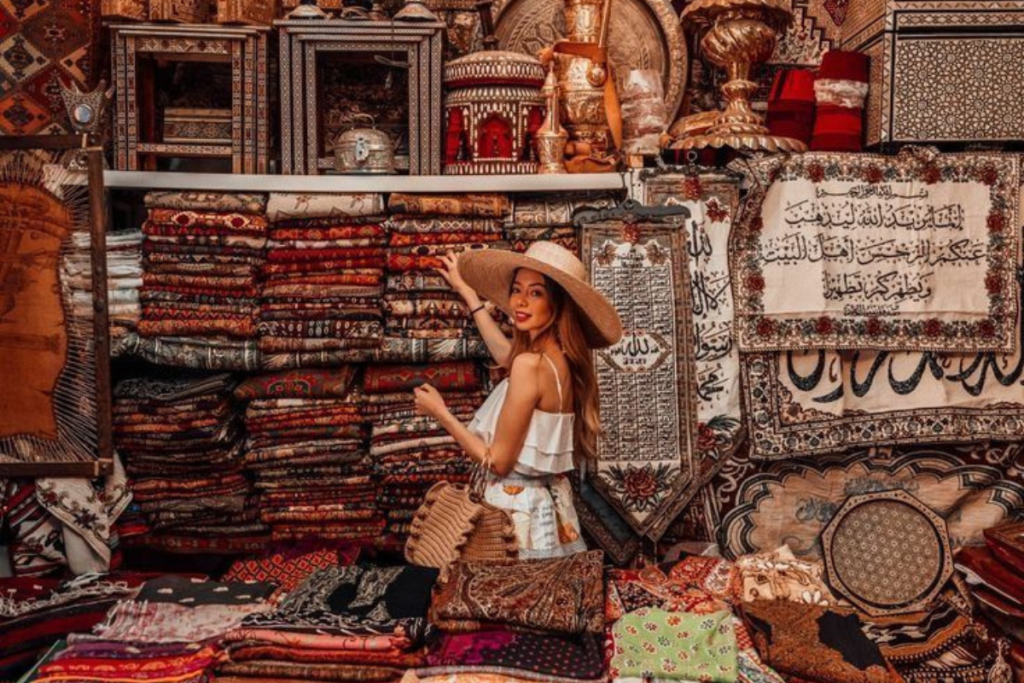
Fes tours:
- Tour 2-Days From Fes To Desert Merzouga by Errachidia
- Tour 3-Days Desert from Fez to Merzouga by Rissani
- Tour 3-Days from Fez to Marrakech via Ait Ben Haddou
- Tour 5-Days from Fez to Marrakech via Merzouga desert
- Tour 4-Days from Fez to Marrakech and Merzouga desert
- Tour 2-Days From Fes To Desert Merzouga by Errachidia
Fes to Marrakech via Volubilis
This day is a transition day, but it’s a beautiful one when it’s paced well. A common highlight is a stop at the Roman ruins of Volubilis, where you can explore ancient remains and mosaics while getting a different perspective on Morocco’s layered history. It’s a powerful contrast to medinas and imperial city architecture.
After continuing to Marrakech, the itinerary often shifts back into iconic urban highlights. When travelers think of “classic Morocco,” they often picture Marrakech, so arriving after several heritage cities creates a satisfying sense of crescendo before the final stretch of the trip.
Marrakech: Palaces, Tombs, Mosque, and Souks
Marrakech is often called the Red City, and it’s famous for its energy: markets, historic monuments, and the atmosphere around its central squares. Many itineraries include the Bahia Palace, the Saadian Tombs, and the Koutoubia Mosque area, which together provide a strong introduction to Marrakech’s architectural identity.
To experience the city with less stress and better flow, many travelers choose a structured Marrakech city tour that also includes souk navigation and smart timing. The souks are vibrant and unforgettable, but they can feel intense at peak hours—so planning helps.
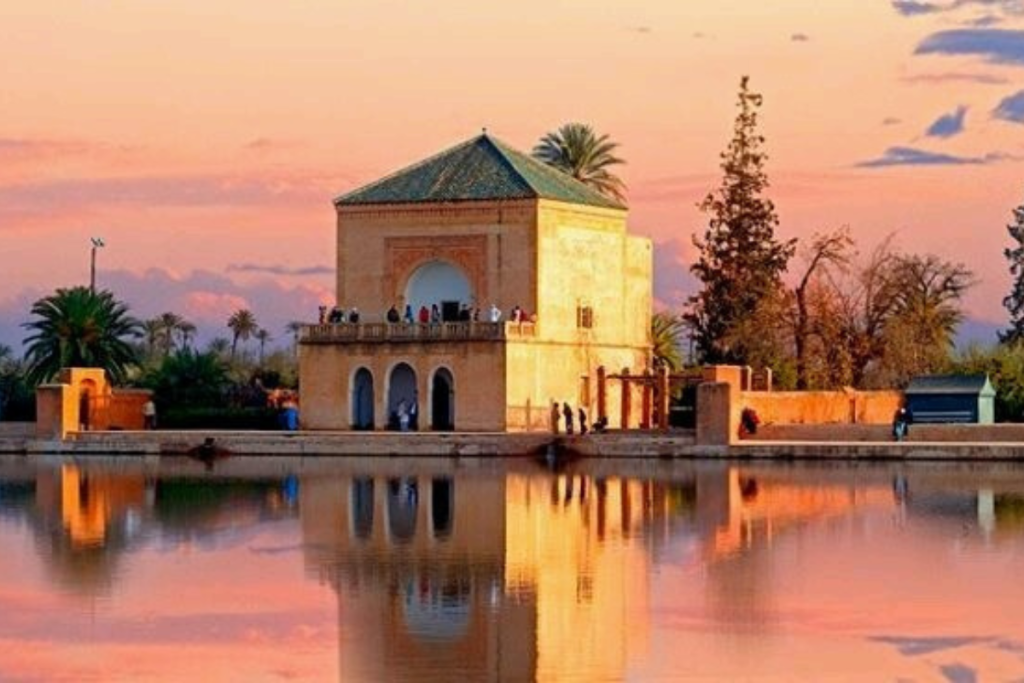
Marrakech tours:
- Tour 3-Days from Marrakech to Fez through Sahara
- Tour-3-days-from-marrakech-to-desert-merzouga
- Tour 4-Days from Marrakech to Merzouga by Ouarzazate
- Tour 4-Days from Marrakech to Fez and desert
- Tour 5-Days from Marrakech to Merzouga by Ouarzazate
- Tour 5-Days from Marrakech to Fes via desert Merzouga
- Tour 6-Days from Marrakech to Desert Merzouga
- Tour 7-Days from Marrakech to Fes and Desert
- Tour 7-Days from Marrakech to Fes by Ouarzazate
Final Day in Marrakech: Free Time and Optional Experiences
Your final day is usually designed to give you breathing room. Marrakech is one of those cities where free time is valuable because you can revisit a favorite area, take a slow lunch, or shop without feeling rushed. It’s also a great moment to enjoy calmer experiences like gardens and museums.
Popular options include the Majorelle Gardens, the Museum of Marrakech, or even a balloon experience if timing and weather allow. Many travelers also use this day to explore the square again and enjoy the changing atmosphere from day to night.
Tour Highlights You’ll Remember
This itinerary is built around Morocco’s most iconic “first-timer wow” moments while still including deeper cultural stops. Major highlights typically include the Hassan II Mosque experience in Casablanca, the imperial heritage of Rabat and Meknes, the immersive medina life of Fes, the Roman ruins of Volubilis, and the souks and monuments of Marrakech.
If you want a route that matches high-intent searches like Morocco tours and “imperial cities,” this combination is strong because each stop adds a new layer: modern gateway city, political capital, imperial architecture, deep medina culture, ancient ruins, and the signature energy of Marrakech.
Practical Tips for Traveling in Morocco
Morocco’s climate can be hot, especially in summer, so lightweight breathable clothing is a good starting point. At the same time, evenings can cool down, and indoor spaces can vary, so light layers help you stay comfortable. If you plan to enter religious sites, modest clothing is important, and a scarf or shawl can be useful.
Comfortable walking shoes are essential because medinas and historic areas are best explored on foot. Also pack sunscreen, sunglasses, and a hat for daytime protection. A small day bag is helpful for water, tissues, and essentials during walking tours and day drives.
Cultural etiquette matters, and small details go a long way. It’s normal to haggle respectfully in markets, and it’s also common to remove shoes in certain settings (especially private homes and some religious spaces). Learning a few simple greetings can help, but even without language skills, a guide can support smoother communication and reduce misunderstandings.
If you want the trip to feel even easier, consider planning with a structure similar to private Morocco tours, even when traveling in a small group. The main advantage is pacing and problem prevention: better timing, fewer logistical surprises, and a day that flows naturally.
Why This Is the Perfect Small Group Adventure
Small group travel is often the “sweet spot” for Morocco: you get social energy and shared experience, but you avoid the heavy rigidity and delays of big bus tours. That means the itinerary can stay efficient, and your guide can still give real attention, context, and pacing adjustments when needed.
Additionally, a small group format makes experiences feel more personal—especially in medinas, where large groups can become difficult to move and can attract unwanted attention. With a smaller group, walking tours feel calmer, market interactions feel more natural, and the trip overall feels closer to the spirit of Morocco vacation packages that prioritize comfort and authenticity.
Final Takeaway
If you want a short itinerary that delivers Morocco’s most famous imperial city experiences without feeling rushed, this route is a smart choice. You get architectural icons, medina immersion, historical depth, and the unforgettable atmosphere of Marrakech—all connected in a week that feels full but manageable.
For travelers comparing options, this Morocco travel packages style structure is effective because it balances “must-sees” with comfort, guided context, and enough free time to make the trip feel personal rather than scripted.