Introduction: Why Fes Is the Perfect Beginning to Discover Morocco
Morocco is a country that rewards those who travel slowly and deeply. While many itineraries begin in Marrakech or Casablanca, starting in Fes offers a more authentic introduction to Morocco’s cultural roots. Fes is not only one of the oldest cities in the country, but it also represents the intellectual, spiritual, and artisanal foundations of Moroccan civilization that is Grand Morocco Journey from Fes
Beginning your journey with carefully designed Tours from Fes allows you to immerse yourself in history before gradually transitioning into Morocco’s natural landscapes — from cedar forests and mountain passes to the Sahara Desert and Atlantic coastline. With expert planning from Morocco Good Travel, this north‑to‑south route unfolds as a cohesive story rather than a rushed sequence of destinations.
Fes: The Living Heart of Moroccan Tradition
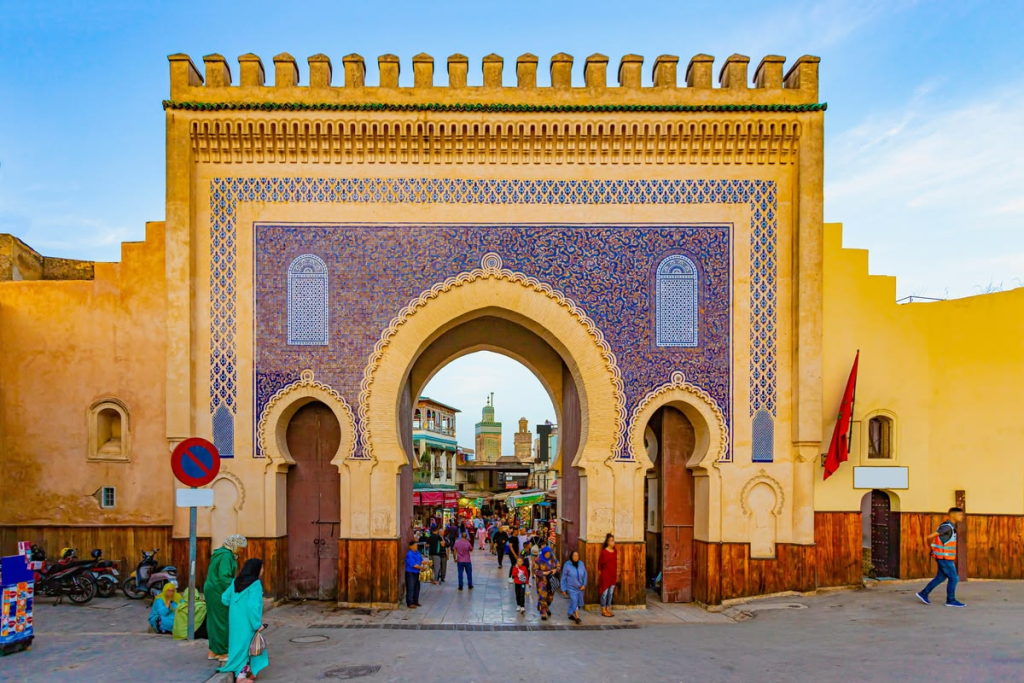
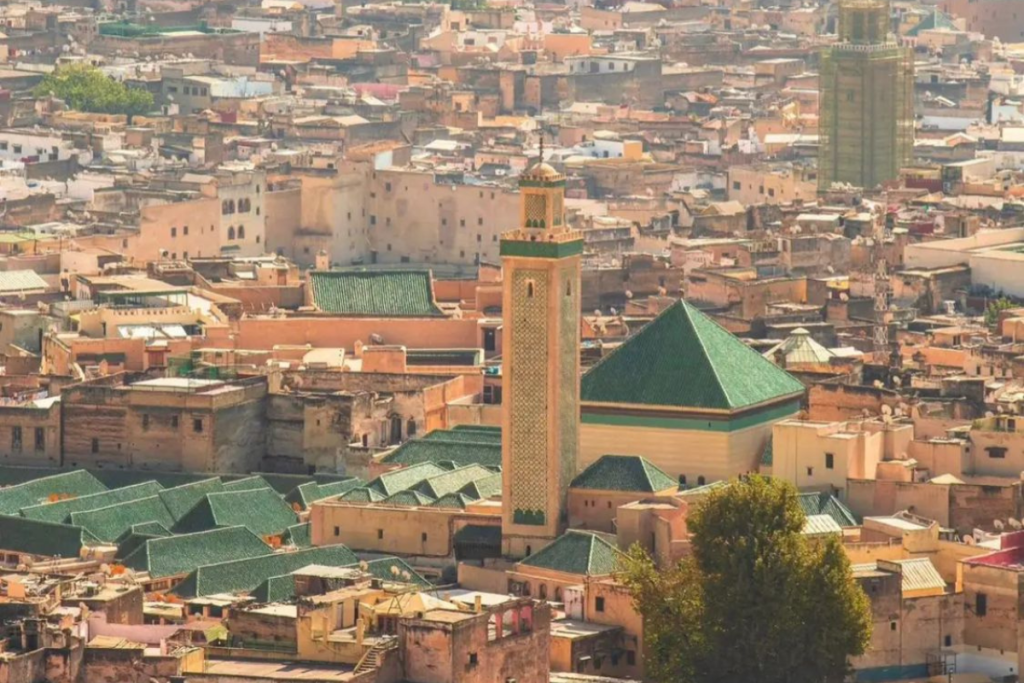
Walking into the medina of Fes feels like entering a preserved medieval world. Narrow alleyways twist between workshops, courtyards, and religious schools that have functioned for centuries. Unlike many historic districts elsewhere in the world, Fes el‑Bali is not a museum — it is alive with daily life.
Artisans hammer brass, dye leather, weave carpets, and shape clay into intricate ceramics. The rhythm of craftsmanship echoes through the streets. Through immersive Fes tours, visitors gain deep insight into Morocco’s artistic heritage and intellectual history.
Fes tours:
- Tour 2-Days From Fes To Desert Merzouga by Errachidia
- Tour 3-Days Desert from Fez to Merzouga by Rissani
- Tour 3-Days from Fez to Marrakech via Ait Ben Haddou
- Tour 5-Days from Fez to Marrakech via Merzouga desert
- Tour 4-Days from Fez to Marrakech and Merzouga desert
- Tour 2-Days From Fes To Desert Merzouga by Errachidia
Beyond the Medina: The Cultural Depth of Fes
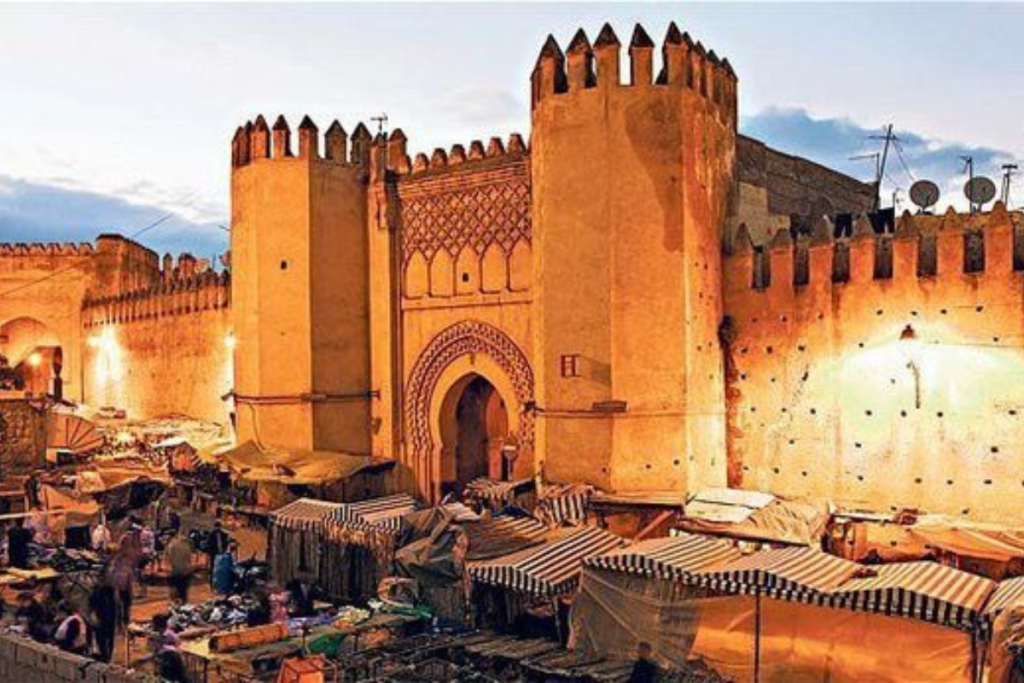
The Royal Palace gates symbolize Morocco’s enduring monarchy, while the Mellah (Jewish quarter) reflects centuries of coexistence. Elevated viewpoints above the city reveal the full scale of the ancient medina stretching across the valley.
Beginning your Moroccan journey here establishes a cultural foundation before heading south toward mountain landscapes and desert horizons.
The Middle Atlas Mountains: Nature’s Gentle Transition
Leaving Fes introduces travelers to cedar forests and alpine‑inspired towns. Ifrane surprises visitors with its European-style architecture, while Azrou’s forests offer encounters with Barbary macaques.
This dramatic shift highlights Morocco’s geographic diversity and prepares travelers for the changing terrain leading toward Ouarzazate and the Sahara.
Ziz Valley: Gateway to the Desert
As the road continues south, the Ziz Valley appears as a lush ribbon of palm trees cutting through rocky plateaus. Historically, this region supported ancient caravan routes linking the Sahara with Morocco’s imperial cities.
The valley’s contrast between greenery and desert terrain reinforces the dramatic beauty of southern Morocco.
Merzouga and the Erg Chebbi Dunes
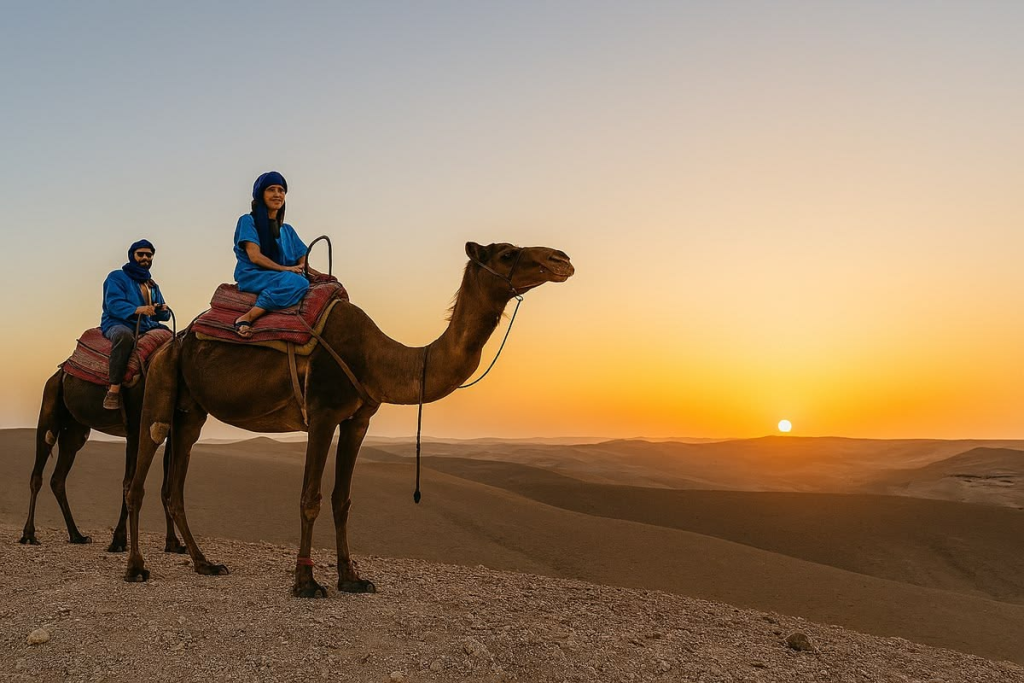
Eventually, the dunes of Erg Chebbi rise from the horizon near Merzouga. The Sahara Desert here represents one of Morocco’s most iconic experiences. Camel trekking at sunset across the dunes remains a defining moment of any Morocco itinerary.
Desert adventures organized by Morocco Good Travel include overnight stays in luxury desert camps, where traditional Berber hospitality and music accompany breathtaking stargazing beneath clear skies.
Desert Culture: Beyond the Sand
The Sahara is home to Amazigh communities who preserve traditions shaped by resilience and adaptation. Tea ceremonies and music gatherings offer authentic cultural exchange.
These encounters transform the desert from a landscape into a living environment rich in history and human connection.
Todra Gorge and Dades Valley
After the desert, Todra Gorge introduces towering limestone cliffs carved by centuries of erosion. The cool canyon air contrasts with the warmth of the dunes.
The Dades Valley, often called the Valley of a Thousand Kasbahs, reveals fortified villages and winding mountain roads that once protected trade caravans.
Ouarzazate and Ait Ben Haddou
Exploring Ouarzazate tours unveils cinematic landscapes and historic kasbahs. Ait Ben Haddou, a UNESCO World Heritage Site, stands as one of Morocco’s most recognizable landmarks.
Its earthen architecture reflects adaptation to climate while preserving centuries of cultural identity.
Ouarzazate tours:
- Tour 2-Days desert from Ouarzazate to Errachidia
- Tour 3-Days desert from Ouarzazate to Merzouga
- Tour 4-Days desert from Ouarzazate to Merzouga
Crossing the High Atlas Mountains
The Tizi n’Tichka Pass winds through dramatic mountain scenery, connecting southern Morocco to Marrakech. Terraced hillsides and Amazigh villages dot the landscape.
This crossing symbolizes the bridge between desert stillness and urban energy.
Marrakech: Color and Movement
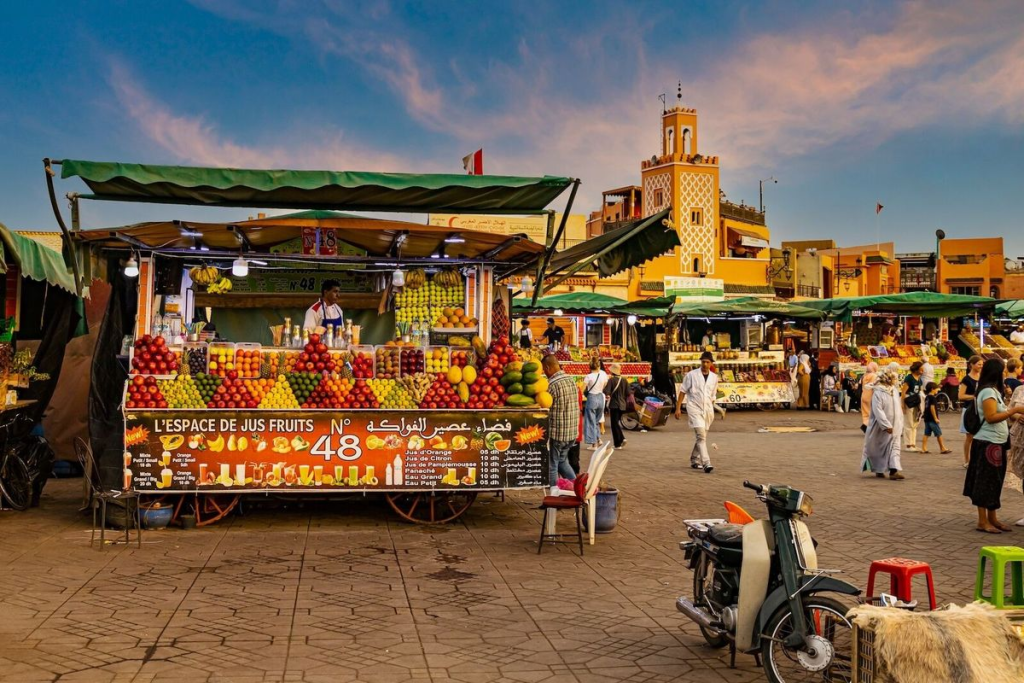
Arriving in Marrakech introduces vibrant souks, historic palaces, and the lively Jemaa el‑Fnaa square. The Red City pulses with rhythm and creativity.
Through immersive Tours from Marrakech, visitors explore Bahia Palace, Majorelle Garden, and artisan workshops filled with handcrafted treasures.
Marrakech tours:
- Tour 3-Days from Marrakech to Fez through Sahara
- Tour-3-days-from-marrakech-to-desert-merzouga
- Tour 4-Days from Marrakech to Merzouga by Ouarzazate
- Tour 4-Days from Marrakech to Fez and desert
- Tour 5-Days from Marrakech to Merzouga by Ouarzazate
- Tour 5-Days from Marrakech to Fes via desert Merzouga
- Tour 6-Days from Marrakech to Desert Merzouga
- Tour 7-Days from Marrakech to Fes and Desert
- Tour 7-Days from Marrakech to Fes by Ouarzazate
Optional Coastal Extension
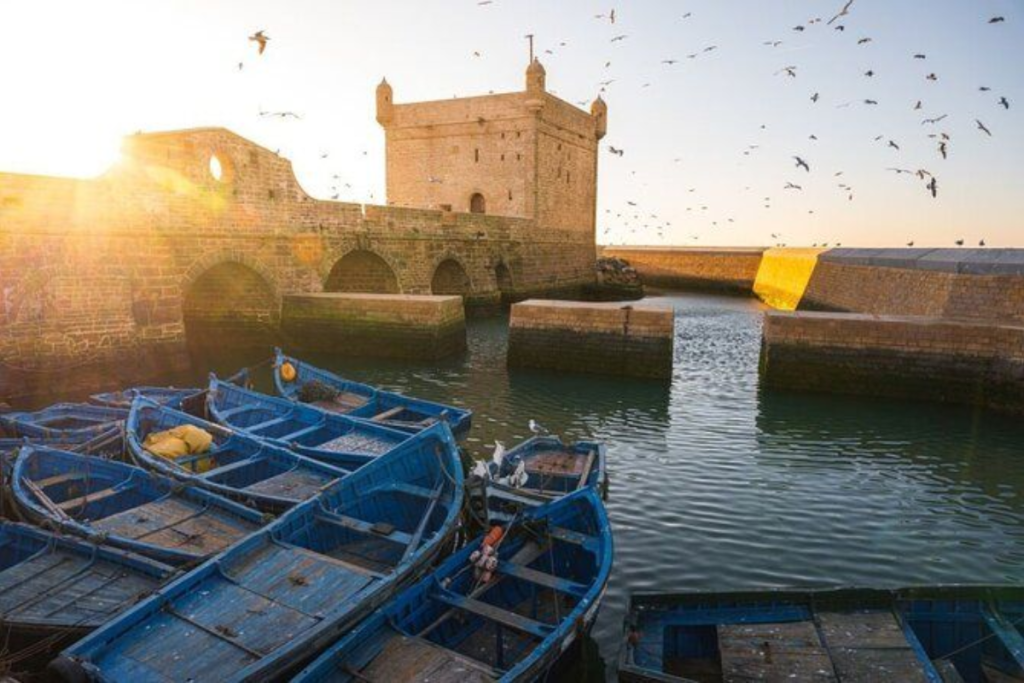
For travelers seeking a coastal dimension, Tours from Tangier provide Mediterranean charm, beaches, and historic kasbahs overlooking the sea.
Alternatively, returning via Tours from Casablanca allows for a balanced conclusion combining Atlantic views with modern urban life.
The Rhythms of Daily Life in Morocco
One of the most fascinating aspects of traveling through Morocco is observing how daily life unfolds across regions. In Fes, mornings begin with the sound of artisans opening workshops, bakers preparing traditional bread, and merchants organizing their stalls in the medina. The rhythm is deliberate and unhurried, shaped by centuries of continuity.
In contrast, cities such as Casablanca follow a modern urban rhythm. Business districts buzz with activity, while seaside cafés provide relaxed atmospheres. This contrast reflects Morocco’s ability to balance ancient traditions with contemporary lifestyles.
Hospitality: The Foundation of Moroccan Culture
Hospitality is not simply a social gesture in Morocco; it is a deeply rooted cultural value. Whether staying in a traditional riad, joining a desert camp, or being welcomed into a family home, visitors quickly notice the sincerity of Moroccan generosity.
Sharing mint tea, offering food, and inviting travelers into conversations reflect a philosophy that considers guests a blessing. Through curated experiences with Morocco Good Travel, visitors witness this hospitality firsthand, transforming their journey into meaningful cultural exchange.
The Role of Music in Moroccan Identity
Music is central to Moroccan life. Traditional Andalusian melodies still echo through Fes, while Gnawa rhythms dominate spiritual ceremonies in Marrakech and the south. In coastal regions such as Tangier, Mediterranean influences add another layer to Morocco’s musical mosaic.
Festivals across the country celebrate this diversity. The Fes Festival of World Sacred Music and the Marrakech Popular Arts Festival attract international audiences, reinforcing music as a bridge between cultures and generations.
Traditional Clothing and Symbolic Meaning
Moroccan clothing carries symbolic and cultural weight. The djellaba, a long hooded robe, remains widely worn across regions. The kaftan, elegant and richly embroidered, represents celebration and refinement.
In desert regions near Ouarzazate, Amazigh clothing and jewelry reflect indigenous identity and spiritual symbolism. Traditional garments are not costumes; they are lived expressions of cultural continuity.
Moroccan Architecture: A Visual Language
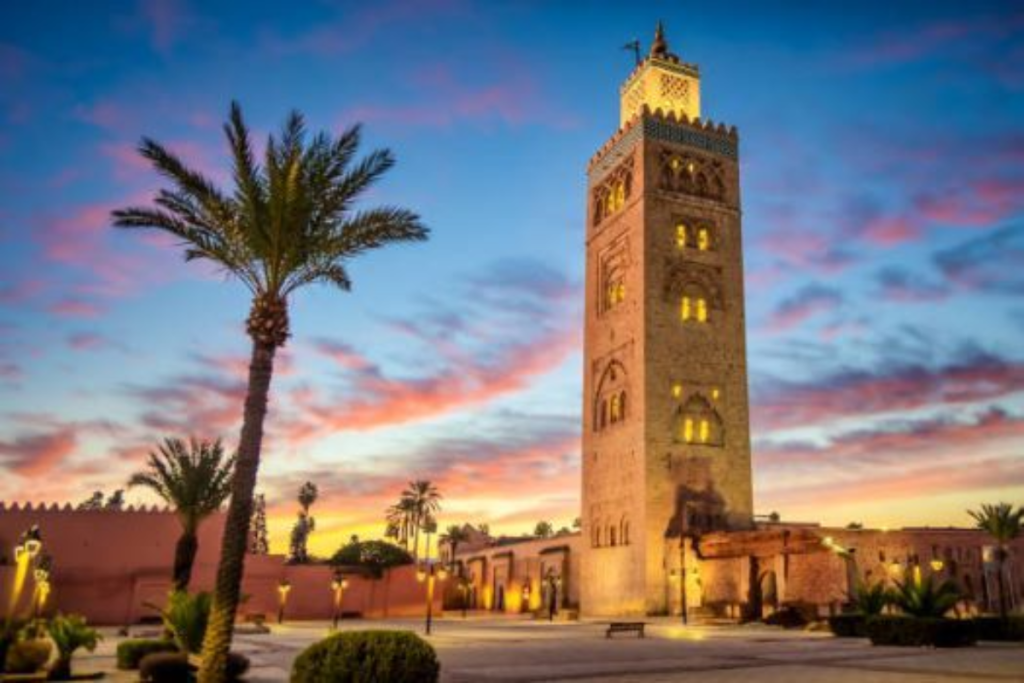
Moroccan architecture speaks a visual language shaped by geometry, faith, and craftsmanship. Zellige tilework, carved stucco, and cedar wood ceilings appear across palaces, mosques, and private homes.
The imperial cities of Fes and Marrakech display architectural mastery, while desert regions near Ouarzazate reveal earthen structures adapted to arid climates. This diversity of architectural expression reinforces Morocco’s cultural richness.
Berber Villages of the High Atlas
Traveling through the High Atlas Mountains introduces travelers to Amazigh villages perched on hillsides. These communities maintain agricultural terraces, traditional homes, and social customs passed down through generations.
Visiting these villages provides insight into rural Moroccan life. Sharing a meal or observing artisan work reveals a slower, more grounded way of living that contrasts sharply with urban environments.
Photography Opportunities Across Morocco
Few destinations rival Morocco in photographic diversity. Golden dunes near Merzouga, colorful souks in Marrakech, blue-painted alleys in Chefchaouen, and Atlantic sunsets in Casablanca provide constantly evolving compositions.
Every region offers distinct lighting, textures, and cultural moments. For photographers, Morocco becomes an endless visual laboratory.
Sustainable Tourism and Cultural Respect
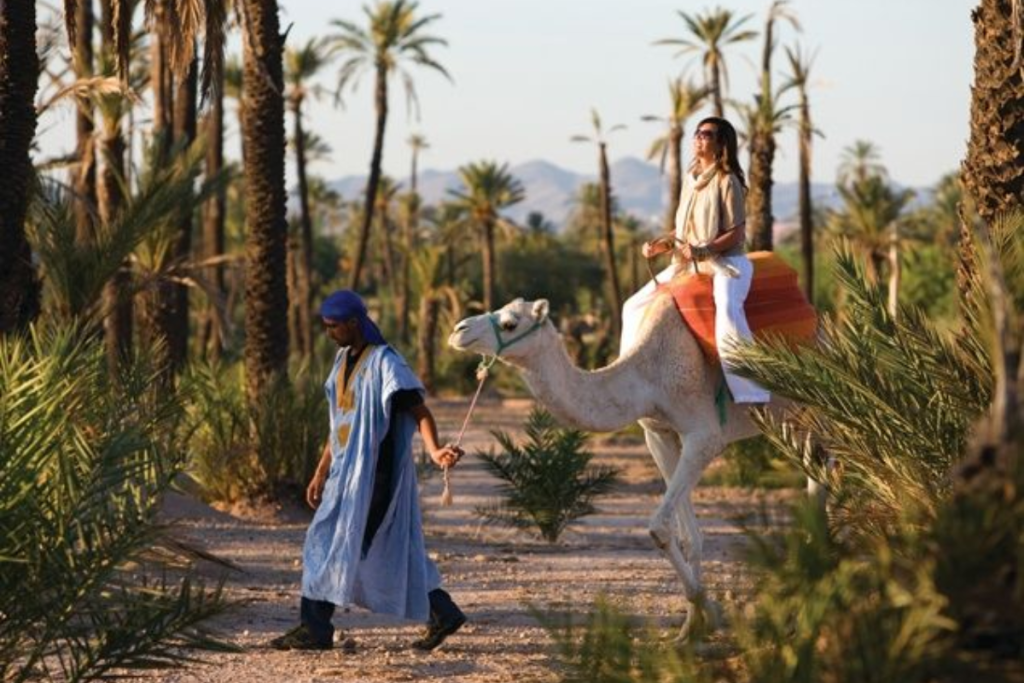
As Morocco becomes increasingly popular, sustainable tourism gains importance. Supporting local artisans, respecting religious customs, and traveling with responsible operators such as Morocco Good Travel ensures that heritage is preserved for future generations.
Respecting local traditions enriches the traveler’s experience while contributing positively to Moroccan communities.
Culinary Traditions Across Regions
Moroccan cuisine reflects centuries of cultural exchange. Fes offers refined dishes such as pastilla, blending sweet and savory flavors. Desert regions serve simple yet flavorful tagines cooked slowly over open flames.
Coastal areas such as Casablanca and Tangier feature grilled seafood and Mediterranean influences. Culinary variety mirrors Morocco’s geographic and cultural diversity.
Optional Extensions: Coastal and Northern Discoveries
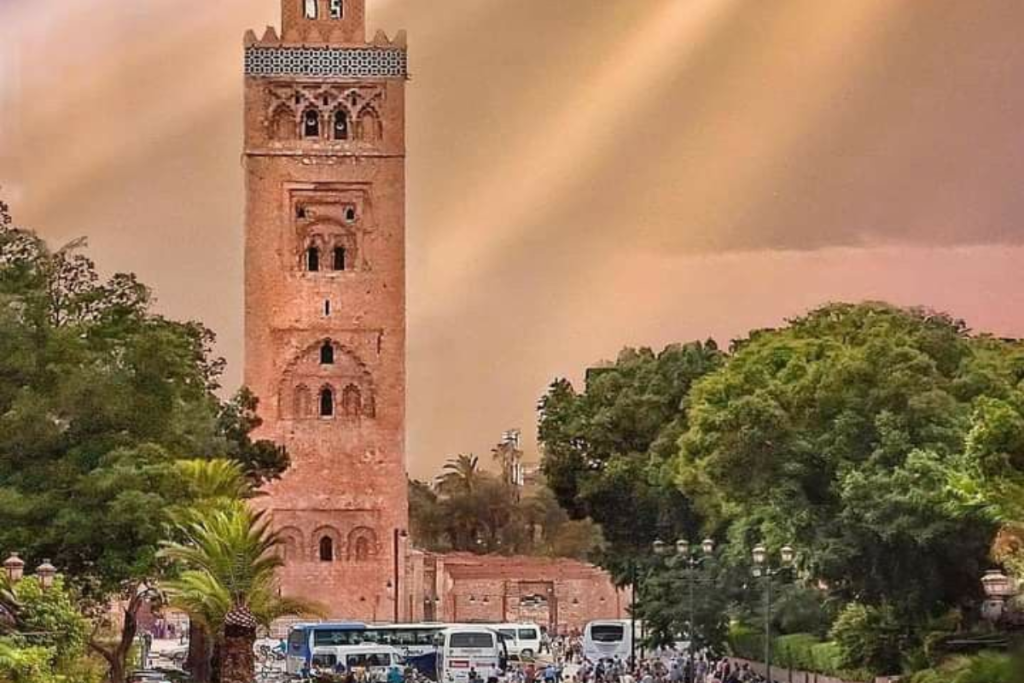
Extending a Morocco itinerary to include Tours from Tangier introduces travelers to Mediterranean landscapes and international heritage. Chefchaouen’s blue streets offer serenity in the Rif Mountains.
These northern extensions complement southern desert adventures, forming a comprehensive Moroccan experience.
Why Morocco Rewards Long-Form Travel
Unlike destinations that can be understood quickly, Morocco benefits from longer, structured itineraries. Each region reveals layers that shorter trips cannot capture.
By choosing a route beginning in Fes and moving through mountains, desert, valleys, and vibrant cities, travelers gain a coherent understanding of Morocco as a nation rather than as isolated attractions.
other tours in morroco

Casablanca tours:
- Tour 6-Days Morocco Tour from Casablanca by Fes and Merzouga
- Tour 7-Days Morocco Tour from Casablanca
- Tour 9-Days Morocco Tour from Casablanca
- Tour 8-Days from Casablanca to Fez Marrakech and desert
- Tour 10-Days desert from Casablanca to Marrakech and Fez
- Tour 14-Days from Casablanca to Marrakech via Fez and Essaouira
Tangier tours:
- Tour 7-Days desert from Tangier to Marrakech
- Tour 10-Days from Tangier to Marrakech and Merzouga
- Tour 12-Days from Tangier to Marrakech and Essaouira
Conclusion: Morocco as an Endless Discovery
Morocco is not a destination that concludes at the end of a trip. Its impressions linger — through flavors, sounds, and memories of hospitality.Through carefully organized journeys with Morocco Good Travel, visitors experience the country not merely as tourists, but as engaged travelers immersed in an evolving cultural landscape.
Starting in Fes and traveling through mountains, desert, valleys, and vibrant cities reveals Morocco as a unified yet diverse cultural landscape. Each region builds upon the previous one.With thoughtful coordination from Morocco Good Travel, this journey becomes more than a tour — it becomes a meaningful exploration of Morocco’s living identity.