
Tours from Fes
Introduction: Why Starting in Fes Creates a Deeper Morocco Experience
Beginning your Moroccan adventure in Fes offers a powerful and immersive introduction to the country’s cultural soul. Unlike coastal entry points, Fes immediately places travelers inside Morocco’s intellectual, spiritual, and artisanal heart. As one of the oldest imperial cities in North Africa, Fes preserves centuries of scholarship, architecture, and living tradition.
Choosing carefully curated Tours from Fes allows visitors to begin their journey surrounded by medieval alleyways, handcrafted artistry, and rich Islamic heritage before gradually transitioning through mountains, desert landscapes, and vibrant southern cities. With professional planning from Morocco Good Travel, this route unfolds naturally from north to south, offering one of the most complete Morocco experiences available.
Fes: Morocco’s Cultural and Spiritual Capital
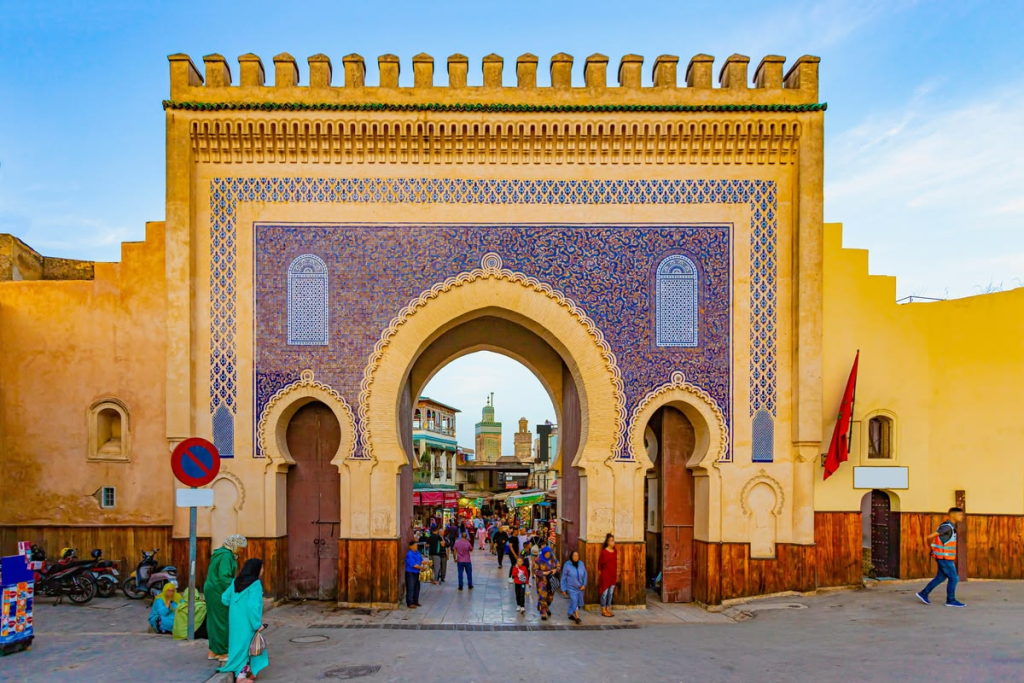
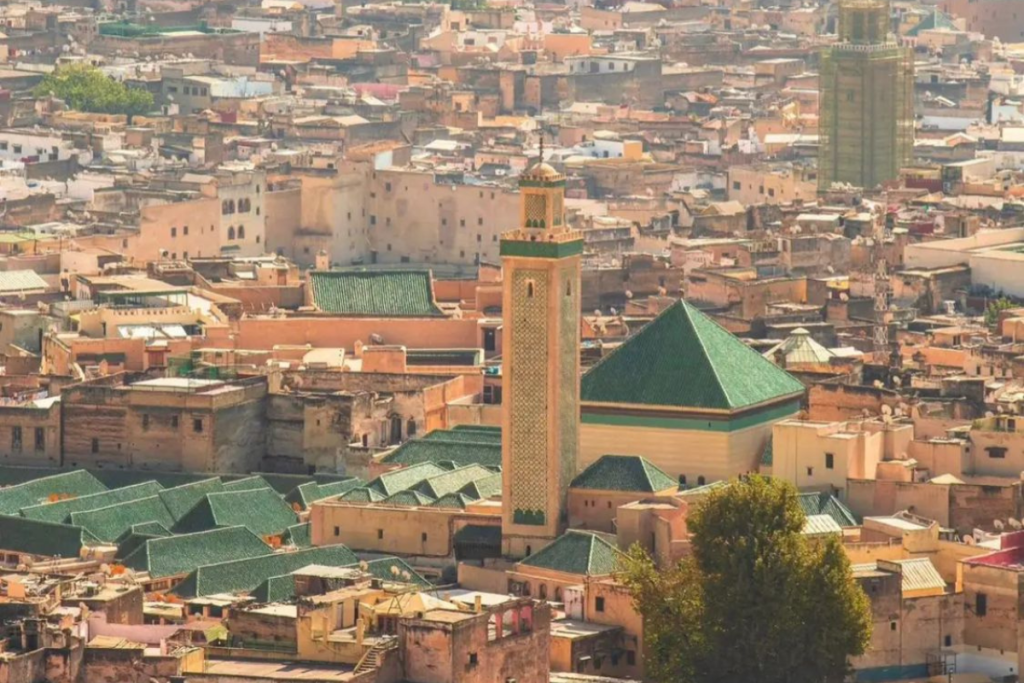
Fes is often described as the cultural capital of Morocco, and stepping into Fes el‑Bali confirms why. Its UNESCO‑listed medina remains one of the largest pedestrian zones in the world. Narrow alleyways twist between ancient homes, mosques, artisan workshops, and bustling souks that preserve traditions dating back more than a thousand years.
The city is home to Al‑Qarawiyyin University, founded in 859 AD and widely recognized as one of the oldest continuously operating universities in the world. Visiting Fes offers more than sightseeing; it provides a living lesson in Moroccan history, religious scholarship, and artistic precision.
Fes tours:
- Tour 2-Days From Fes To Desert Merzouga by Errachidia
- Tour 3-Days Desert from Fez to Merzouga by Rissani
- Tour 3-Days from Fez to Marrakech via Ait Ben Haddou
- Tour 5-Days from Fez to Marrakech via Merzouga desert
- Tour 4-Days from Fez to Marrakech and Merzouga desert
- Tour 2-Days From Fes To Desert Merzouga by Errachidia
Artisans of Fes: Craftsmanship Passed Through Generations
One of the most unforgettable aspects of Fes is its craftsmanship. In small workshops across the medina, artisans produce ceramics, carved wood, brass lanterns, leather goods, and woven textiles using techniques preserved over centuries.
The famous Chouara Tanneries remain one of Morocco’s most iconic sights. Workers dye leather in colorful stone vats using natural pigments. Despite modernization elsewhere, these traditional methods continue unchanged, reinforcing Morocco’s deep respect for artisanal heritage.
The Middle Atlas Mountains: A Dramatic Shift in Landscape
Leaving Fes behind, the journey moves toward the Middle Atlas Mountains. Cedar forests, alpine villages, and cooler climates contrast sharply with the density of the medina. The town of Ifrane, often called the “Switzerland of Morocco,” surprises visitors with its European‑style architecture.
This transition demonstrates Morocco’s remarkable geographic diversity. Within hours, travelers move from medieval urban life into peaceful mountain scenery, setting the stage for the dramatic desert landscapes ahead.
Merzouga and the Sahara Desert: Morocco’s Golden Frontier
Continuing south, rocky plateaus give way to the magnificent dunes of Erg Chebbi near Merzouga. For many travelers, this Sahara experience becomes the highlight of their entire journey. The golden dunes rise dramatically from the desert floor, creating a landscape that feels both vast and intimate.
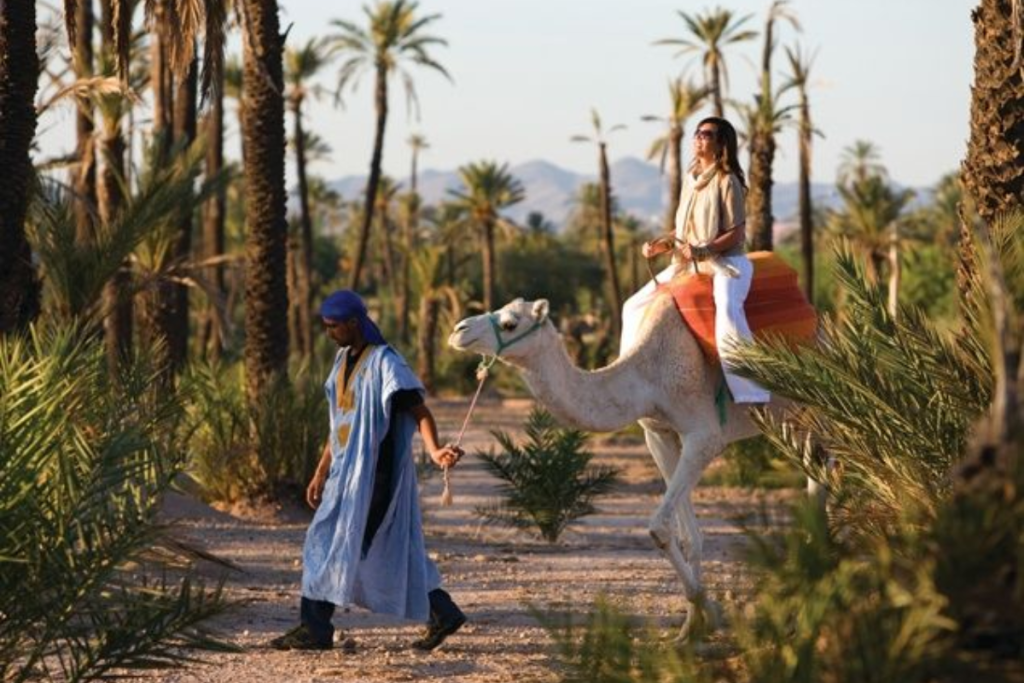
Organized desert experiences through Morocco Good Travel include camel trekking at sunset, where travelers slowly cross the dunes as the sky transforms into shades of amber and crimson. Spending the night in a luxury desert camp provides comfort without sacrificing authenticity.
Desert Night: Luxury and Silence Under the Stars
After arriving at the camp, guests enjoy traditional Moroccan cuisine beneath an open sky. Tagines, freshly baked bread, and local music create a warm and welcoming atmosphere in the heart of the Sahara.
As darkness deepens, the absence of city lights reveals an extraordinary display of stars. The silence of the desert, interrupted only by wind or distant drums, leaves a lasting emotional impression on visitors.

Todra Gorge and Dades Valley: Nature’s Architecture
Leaving the dunes behind, the journey continues toward Todra Gorge. Towering limestone cliffs rise vertically on both sides of a narrow riverbed, forming one of Morocco’s most dramatic natural formations.
Further west lies the Dades Valley, known as the Valley of a Thousand Kasbahs. Palm groves, fortified villages, and winding mountain roads offer stunning scenery and insight into historic caravan routes.
Ouarzazate and Ait Ben Haddou: Desert Heritage Preserved
The route continues toward Ouarzazate, often called the gateway to the Sahara. This region bridges mountain and desert cultures while preserving traditional earthen architecture.
Nearby Ait Ben Haddou stands as a UNESCO World Heritage Site and one of Morocco’s most photographed landmarks. Its clay-built structures once housed traders and families along ancient trans-Saharan trade routes.
Ouarzazate tours:
- Tour 2-Days desert from Ouarzazate to Errachidia
- Tour 3-Days desert from Ouarzazate to Merzouga
- Tour 4-Days desert from Ouarzazate to Merzouga
Marrakech: The Red City of Energy and Contrast
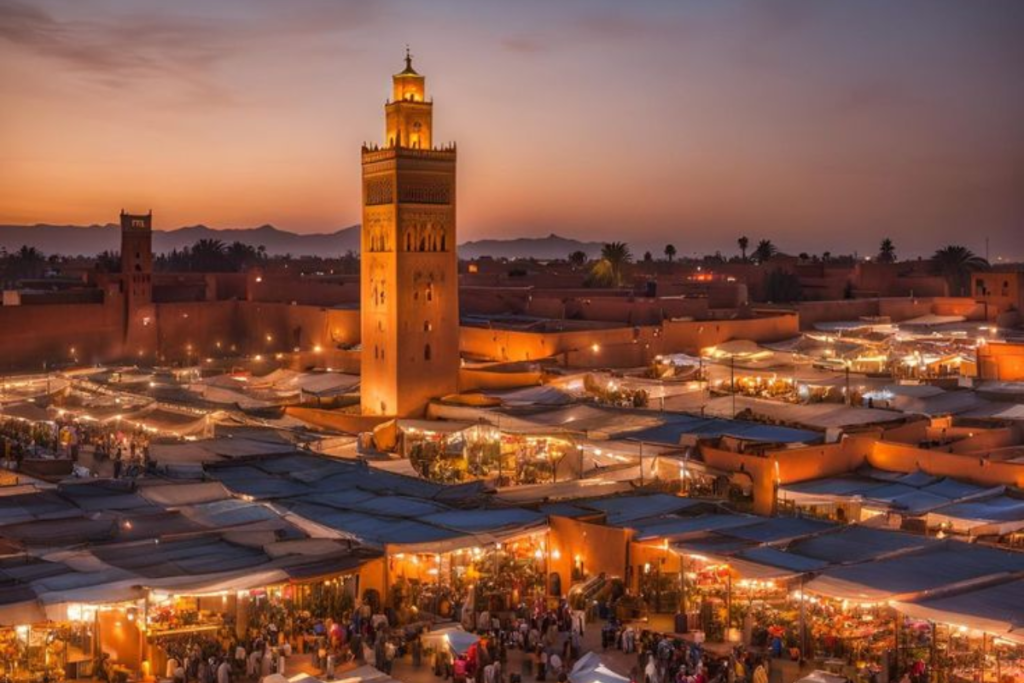
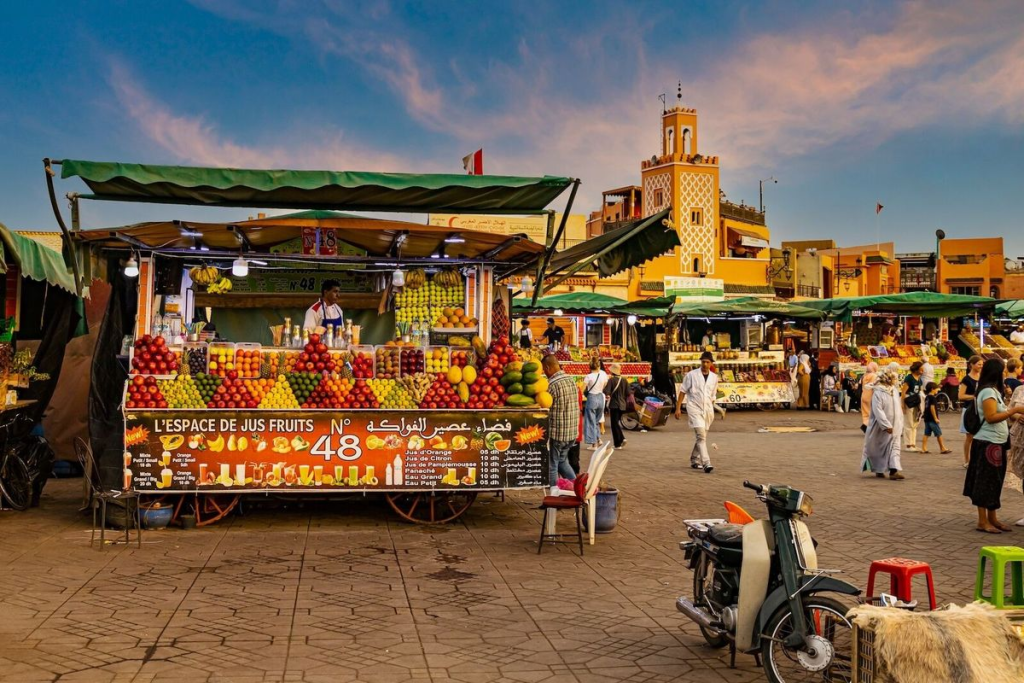
Arriving in Marrakech introduces a vibrant contrast to the tranquility of the desert. Jemaa el‑Fnaa Square pulses with musicians, storytellers, and food vendors each evening.
Through immersive Tours from Marrakech, travelers explore Bahia Palace, Majorelle Garden, and colorful souks filled with handcrafted treasures. Marrakech represents Morocco’s dynamic balance between tradition and creativity.
Marrakech tours:
- Tour 3-Days from Marrakech to Fez through Sahara
- Tour-3-days-from-marrakech-to-desert-merzouga
- Tour 4-Days from Marrakech to Merzouga by Ouarzazate
- Tour 4-Days from Marrakech to Fez and desert
- Tour 5-Days from Marrakech to Merzouga by Ouarzazate
- Tour 5-Days from Marrakech to Fes via desert Merzouga
- Tour 6-Days from Marrakech to Desert Merzouga
- Tour 7-Days from Marrakech to Fes and Desert
- Tour 7-Days from Marrakech to Fes by Ouarzazate
Optional Northern Extension: Tangier and the Coast
After completing the southern circuit, some travelers extend their journey north with Tours from Tangier. Located where the Atlantic meets the Mediterranean, Tangier offers beaches, historic kasbahs, and European-influenced architecture.
This coastal addition provides balance to a desert-focused itinerary, highlighting Morocco’s maritime character alongside its imperial heritage.
Why a Journey from Fes Works So Well
Starting in Fes allows travelers to experience Morocco’s oldest traditions before gradually moving toward modern cities and open landscapes. The itinerary flows naturally from medieval medina to mountain passes, desert dunes, kasbah valleys, and vibrant urban centers.
With professional coordination by Morocco Good Travel, every transition becomes seamless, ensuring comfort and cultural depth throughout the journey.
Deepening the Experience in Fes: Beyond the Medina
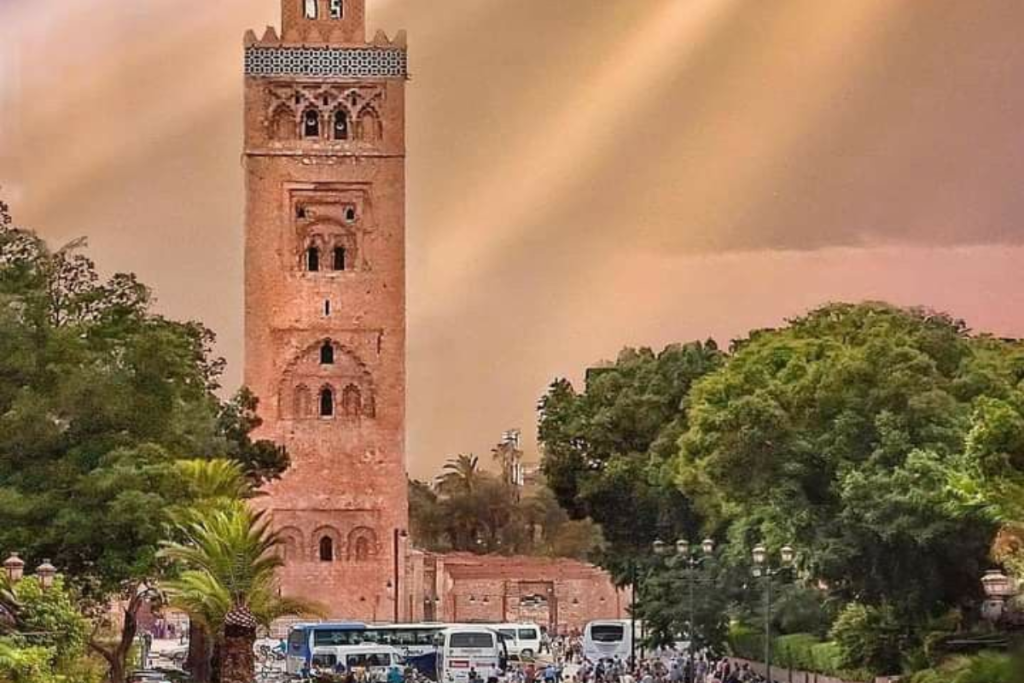
While the medina of Fes is undeniably the heart of the city, a deeper exploration reveals additional layers of history and cultural nuance. The Royal Palace gates, with their massive golden doors and intricate mosaic work, demonstrate Morocco’s royal craftsmanship. The Mellah, or Jewish quarter, offers insight into centuries of coexistence between religious communities, reminding visitors that Morocco’s identity has long been plural and diverse.
Panoramic viewpoints above the city reveal the full scale of Fes’s ancient layout. From these heights, the medina appears like a living tapestry of rooftops and minarets. Beginning your journey here sets a cultural foundation before moving toward Morocco’s changing landscapes.
From Fes to the Desert: The Scenic Transition
The journey southward gradually transforms from urban density to rural openness. Passing through Azrou’s cedar forests and the dramatic Ziz Valley, travelers witness palm groves stretching along desert rivers. The Ziz oasis offers one of the most visually striking transitions on the route from Fes to Merzouga.
This gradual shift enhances the anticipation of reaching the Sahara. Rather than arriving abruptly, travelers witness Morocco unfold geographically — from green mountains to arid plateaus to towering dunes.
Life in the Sahara: Culture Beyond the Sand
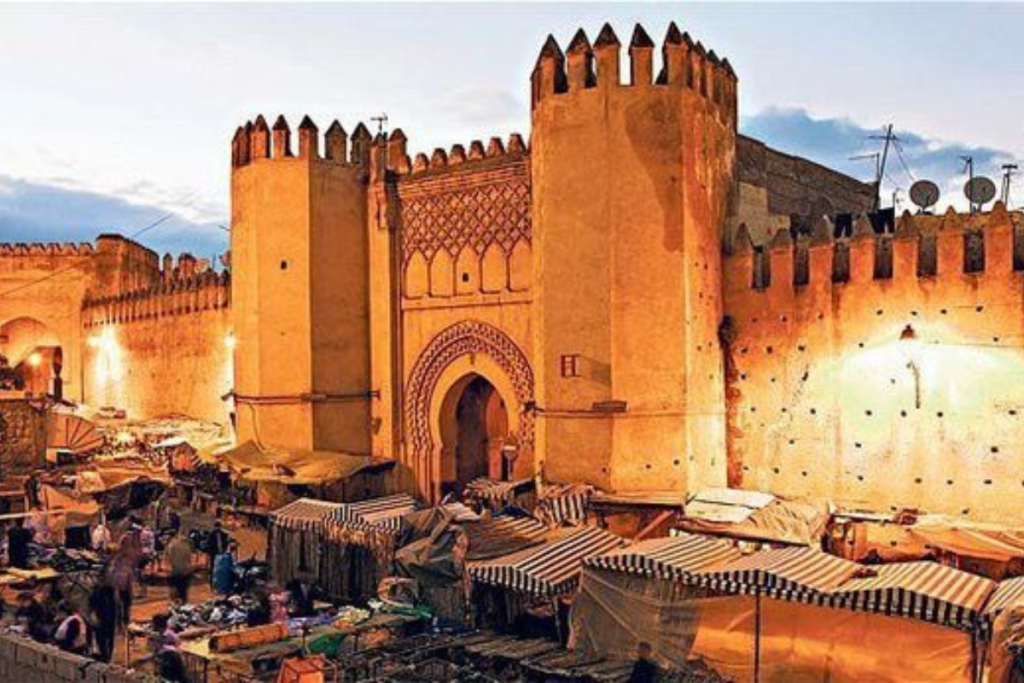
The Sahara is often imagined as empty, but it holds vibrant culture shaped by Amazigh and nomadic traditions. Families in desert villages maintain customs rooted in resilience and adaptation. Traditional music, particularly Gnawa rhythms, carries influences from sub‑Saharan Africa and spiritual ceremonies.
Engaging with local hosts during a desert camp stay provides meaningful cultural exchange. Sharing tea, learning about desert survival techniques, and listening to stories passed down through generations deepen the experience far beyond sightseeing.
Sunrise Over Erg Chebbi
Few experiences rival climbing a dune at dawn to witness the first light of day. As the sun rises, soft gold spreads across the sand while shadows stretch in elegant patterns. The desert’s silence amplifies the moment’s tranquility.
This sunrise often becomes a defining memory of Morocco. It is not only visually stunning but emotionally grounding, offering space for reflection before continuing westward.
Dades Valley and the Road of a Thousand Kasbahs
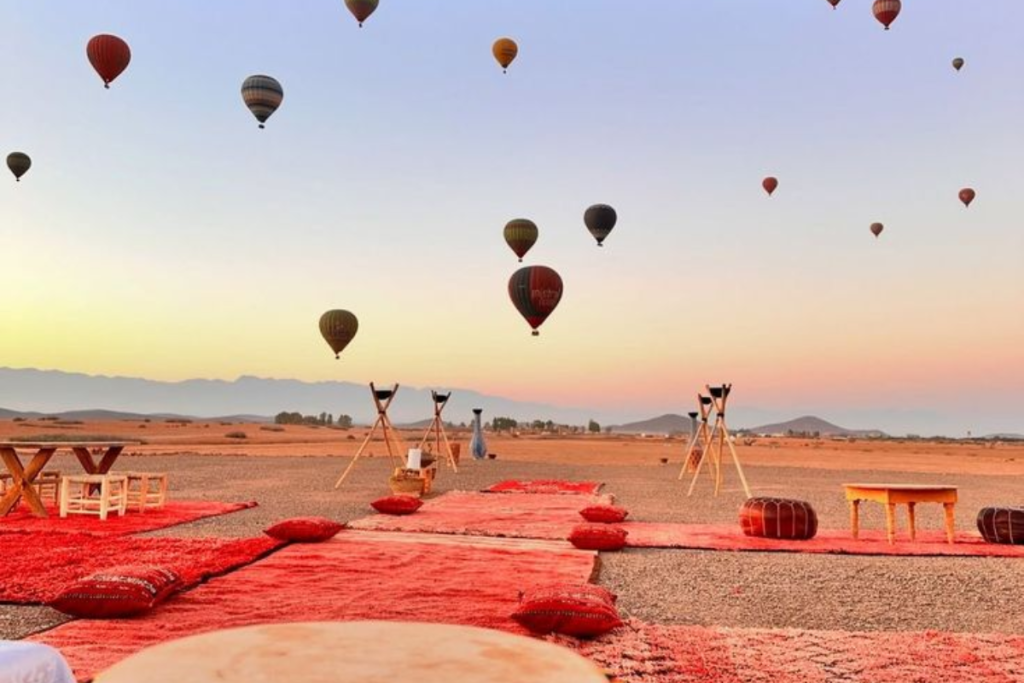
Traveling through Dades Valley introduces fortified mud-brick kasbahs that once protected trading caravans. These structures blend naturally into the surrounding landscape, demonstrating architectural adaptation to climate.
The winding roads through this valley are among the most photographed in Morocco. The “Monkey Fingers” rock formations create surreal geological shapes that contrast with the green oasis below.
Ouarzazate: Cinema and Heritage
Ouarzazate has earned global recognition through film productions, yet its deeper identity lies in its historic kasbahs and desert culture. The Taourirt Kasbah stands as a reminder of regional leadership and architectural mastery.
Film studios here demonstrate how Morocco bridges ancient landscapes with contemporary creativity. This blend of past and present reinforces the country’s evolving cultural narrative.

Ouarzazate tours:
- Tour 2-Days desert from Ouarzazate to Errachidia
- Tour 3-Days desert from Ouarzazate to Merzouga
- Tour 4-Days desert from Ouarzazate to Merzouga
Crossing the High Atlas to Marrakech
The Tizi n’Tichka Pass offers breathtaking mountain panoramas. Small Amazigh villages cling to hillsides, and terraced farms illustrate sustainable agriculture in rugged terrain.
This mountain crossing symbolizes the bridge between desert silence and urban vibrancy. Descending toward Marrakech feels like entering a new chapter of the journey.
Marrakech: Energy After Stillness
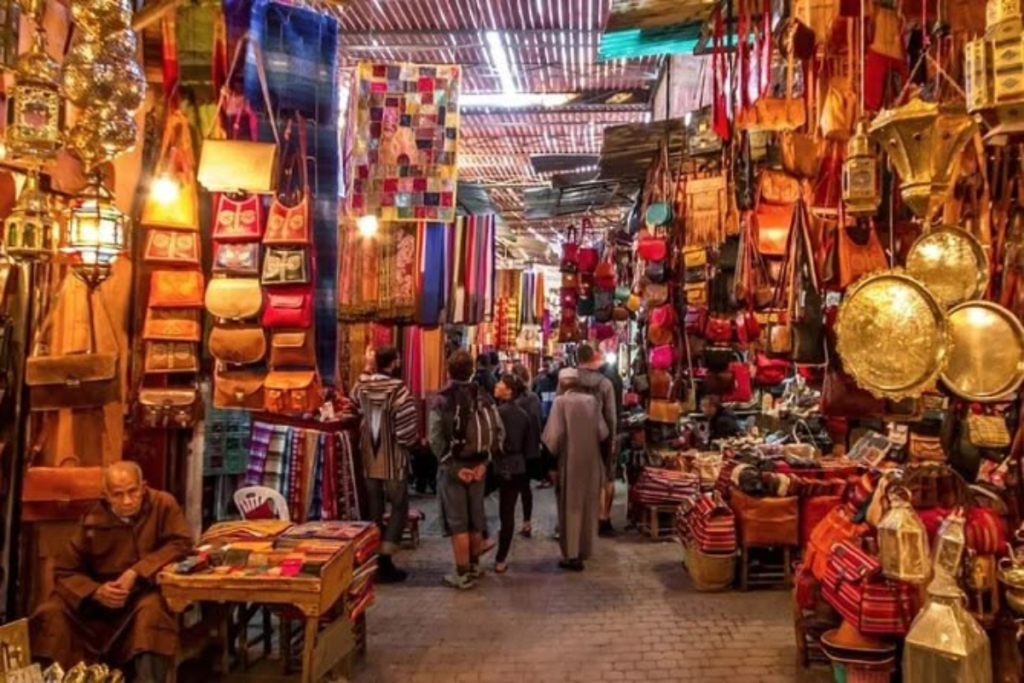
After the serenity of the Sahara, Marrakech feels alive with movement. The city’s red walls enclose a dynamic blend of tradition and innovation. Jemaa el‑Fnaa transforms nightly into a stage of food stalls and performers.
Guided Tours from Marrakech allow visitors to navigate the souks confidently while discovering hidden riads and artisan workshops.
Marrakech tours:
- Tour 3-Days from Marrakech to Fez through Sahara
- Tour-3-days-from-marrakech-to-desert-merzouga
- Tour 4-Days from Marrakech to Merzouga by Ouarzazate
- Tour 4-Days from Marrakech to Fez and desert
- Tour 5-Days from Marrakech to Merzouga by Ouarzazate
- Tour 5-Days from Marrakech to Fes via desert Merzouga
- Tour 6-Days from Marrakech to Desert Merzouga
- Tour 7-Days from Marrakech to Fes and Desert
- Tour 7-Days from Marrakech to Fes by Ouarzazate
Cuisine as Cultural Narrative
Moroccan cuisine evolves regionally. In Fes, sweet‑savory dishes dominate. In desert regions, simple yet flavorful meals reflect limited resources and creative adaptation. In Marrakech, street food blends with refined dining.
Each meal becomes part of the journey’s story. Cooking techniques, spices, and presentation all reflect Morocco’s layered identity.
Optional Northern Return: Tangier
Extending the journey north introduces Tangier, where Mediterranean light and Atlantic winds converge. The city’s artistic legacy attracted writers and musicians throughout the 20th century.
Its beaches and cliffside views offer a final contrast to desert landscapes. Ending the trip here highlights Morocco’s geographic diversity once more.
Why This Journey Creates Lasting Impact
A route beginning in Fes and crossing southward provides logical progression. Each destination prepares travelers for the next, creating narrative continuity rather than isolated sightseeing.
With coordination from Morocco Good Travel, the experience remains comfortable, immersive, and culturally enriching from beginning to end.
Conclusion: Morocco as a Story in Motion
Morocco cannot be reduced to a single city or landscape. Starting in Fes and moving through mountains, desert, kasbah valleys, and vibrant Marrakech reveals the country’s layered identity.
This journey offers more than scenery — it provides perspective, connection, and understanding. Morocco becomes not just a place visited, but a story experienced step by step.
2- Morocco as a Living Cultural Journey
A Morocco journey beginning in Fes offers one of the most authentic introductions to the country’s identity. From scholarly heritage and artisan workshops to golden dunes and colorful souks, each destination builds upon the previous one.
Whether exploring the Sahara, crossing the Atlas Mountains, or wandering through Marrakech’s lively squares, this route reveals Morocco not as isolated highlights, but as a unified and evolving cultural landscape.