
Introduction:
Marrakech—often called the Red City—is one of the most exciting places you can visit in North Africa. It’s bold, beautiful, and full of contrast: lively souks and quiet courtyards, ancient architecture and modern design, energetic nights and peaceful gardens. As a result, Marrakech can feel like several destinations in one, which is exactly why travelers fall in love with it so quickly.
If you want a trip that feels smooth instead of overwhelming, the key is planning the city in a way that matches your pace. That’s why this Marrakech travel guide focuses on what matters most: how to experience the medina, what landmarks are truly worth your time, where to slow down, what to eat, and how to use Marrakech as a launch point for desert and mountain adventures.
Why Visit Marrakech?
Marrakech delivers a rare mix of history, culture, and adventure in one place. You can walk through a UNESCO-listed medina in the morning, relax in a garden at midday, and then end the evening with food and music under open skies. In other words, the city offers constant variety, which keeps kids, couples, and first-time visitors equally engaged.
At the same time, Marrakech rewards travelers who explore with structure. With a well-planned Marrakech city tour approach, you can enjoy the best highlights without getting lost in crowds or wasting time backtracking. Consequently, your trip feels confident and curated rather than stressful and random.
Explore the Heart of the Medina
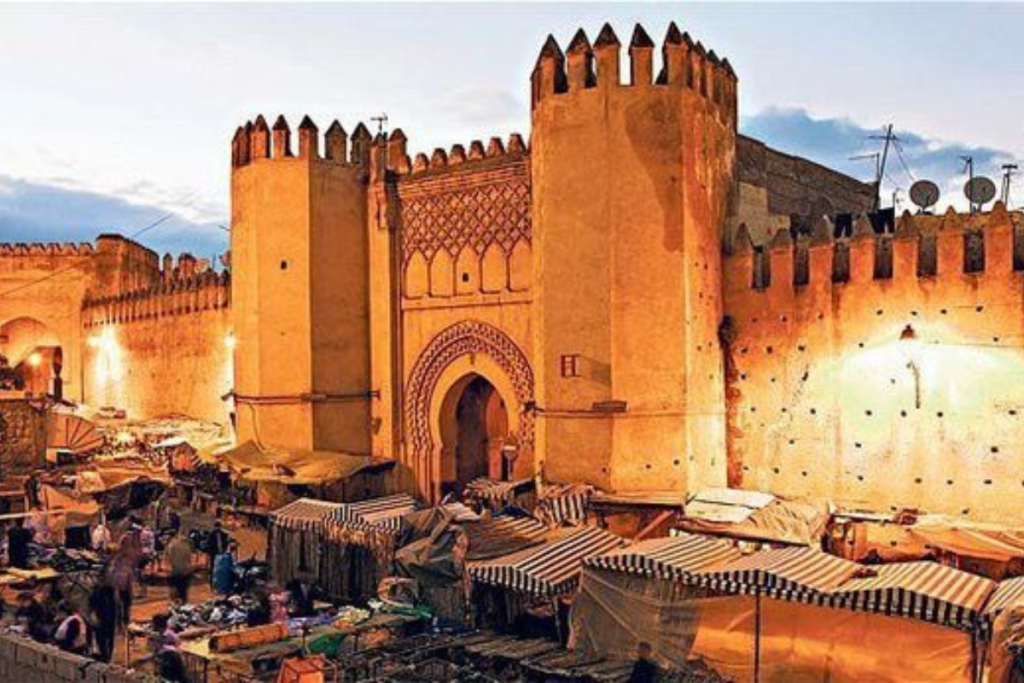
The historic medina is the living heart of Marrakech, and it’s where most travelers feel the city’s energy first. Narrow lanes open into busy markets, artisans work in small workshops, and the scent of spices and grilled food drifts through the air. However, the medina is also a maze, so it’s easy to spend time searching instead of discovering.
That’s why many travelers book Marrakech tours that include guided medina time. A strong guide doesn’t just lead you from place to place—they help you understand what you’re seeing, avoid the most congested routes, and find hidden corners that feel more local and less “tour bus.”
Jemaa el-Fnaa: the city’s beating stage
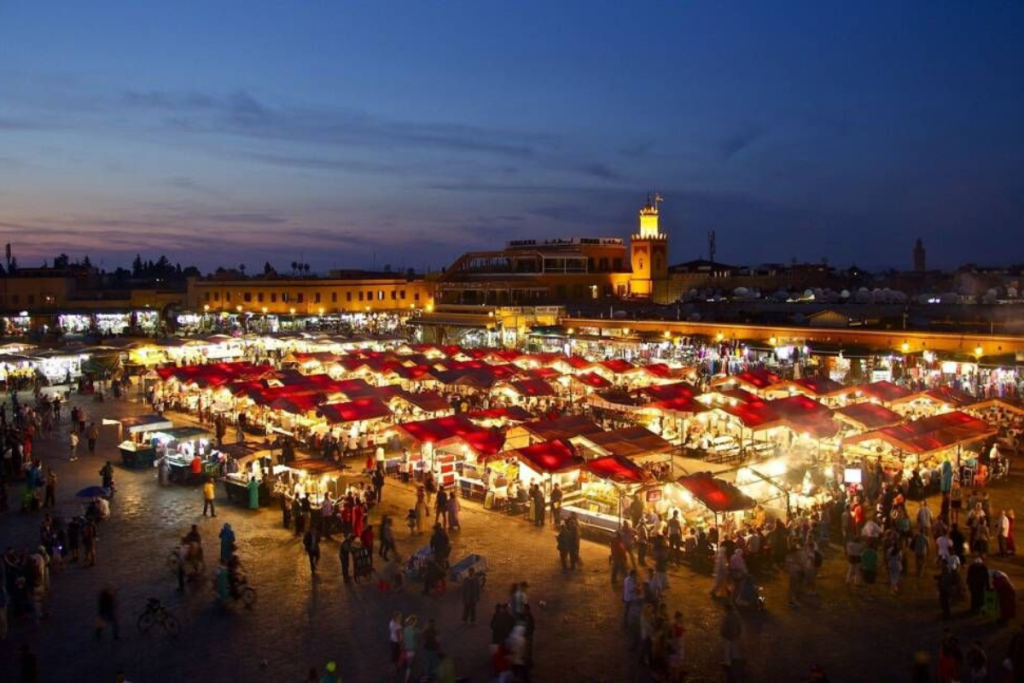
Jemaa el-Fnaa is the main square and the most iconic Marrakech experience. During the day, you’ll see storytellers, performers, and stalls shifting in and out as the light changes. Then, as evening arrives, the square transforms into an open-air food market with smoke rising from grills and the sound of music building across the crowd.
Because the square changes so much, it’s best to visit more than once—ideally once in late afternoon and again at night. If you’re deciding on Morocco guided tours, this is a perfect example of why guidance helps: you get better context, smoother navigation, and smarter timing, especially if you’re traveling with family or visiting for the first time.
Souks: crafts, textiles, and real bargaining culture
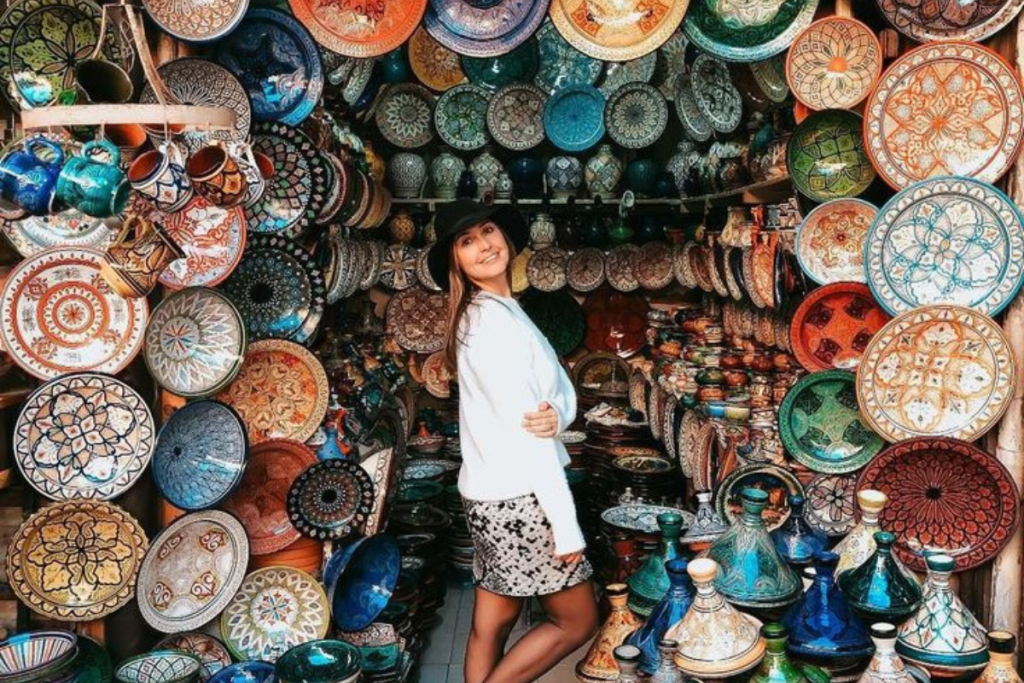
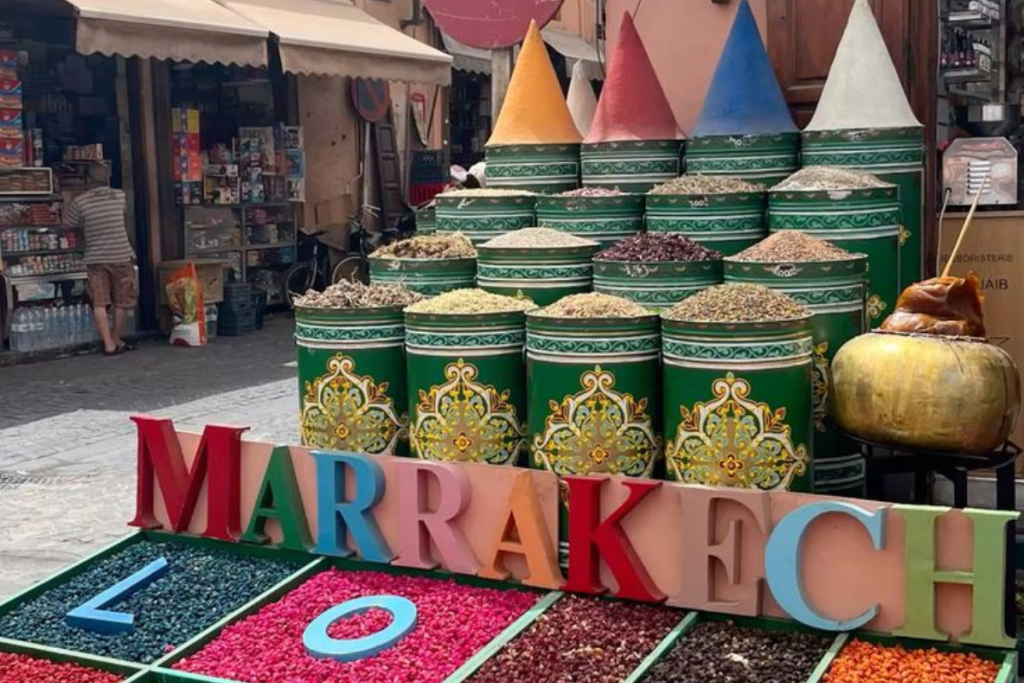
The souks are where Marrakech becomes tactile: leather, brass, ceramics, textiles, perfumes, and handmade decor. Shopping here can be thrilling, but it can also feel intense if you don’t know what’s normal. Therefore, the goal isn’t to “win” bargaining—it’s to shop with confidence and respect, while enjoying the experience as part of local culture.
With Marrakech excursions that include souk time, you can shop with less pressure because you have built-in support and pacing. Moreover, you can balance shopping with breaks—tea, a courtyard stop, or a quiet café—so the day feels enjoyable for everyone, not exhausting.
Discover Historical Monuments in Marrakech
Marrakech is rich in architecture, and its major monuments are worth seeing because they reveal how Morocco’s design language developed over centuries. Even if you aren’t a “museum person,” the craftsmanship alone is mesmerizing: zellige tilework, carved plaster, cedar wood details, and courtyards that feel both grand and intimate. As a result, these landmarks often become the “memory anchors” people talk about long after the trip.
To make the most of these sites, it helps to build them into a route that flows naturally. A smart things to do plan clusters monuments by location so you spend less time commuting and more time exploring at an unhurried pace.
Must-visit highlights often include:
- Bahia Palace (a masterpiece of Moroccan design and courtyard layout)
- Koutoubia Mosque (the city’s iconic exterior landmark and orientation point)
- Ben Youssef Madrasa (one of the most beautiful historic religious schools in Morocco)
These places are even more rewarding with explanation—who built them, why the layout matters, and what the decorative choices symbolize. Consequently, travelers who choose best Morocco tours often prioritize expert storytelling, not just transportation, because context is what turns “pretty” into “meaningful.”
Relax in Beautiful Gardens (A Necessary Marrakech Reset)
Marrakech can be wonderfully intense, so gardens are not just “nice extras”—they’re a strategy. After souks and medina lanes, a calm garden visit lets you reset your nervous system, cool down, and enjoy a slower kind of beauty. Moreover, garden time is especially valuable for families, older travelers, and anyone who wants their trip to feel balanced rather than nonstop.
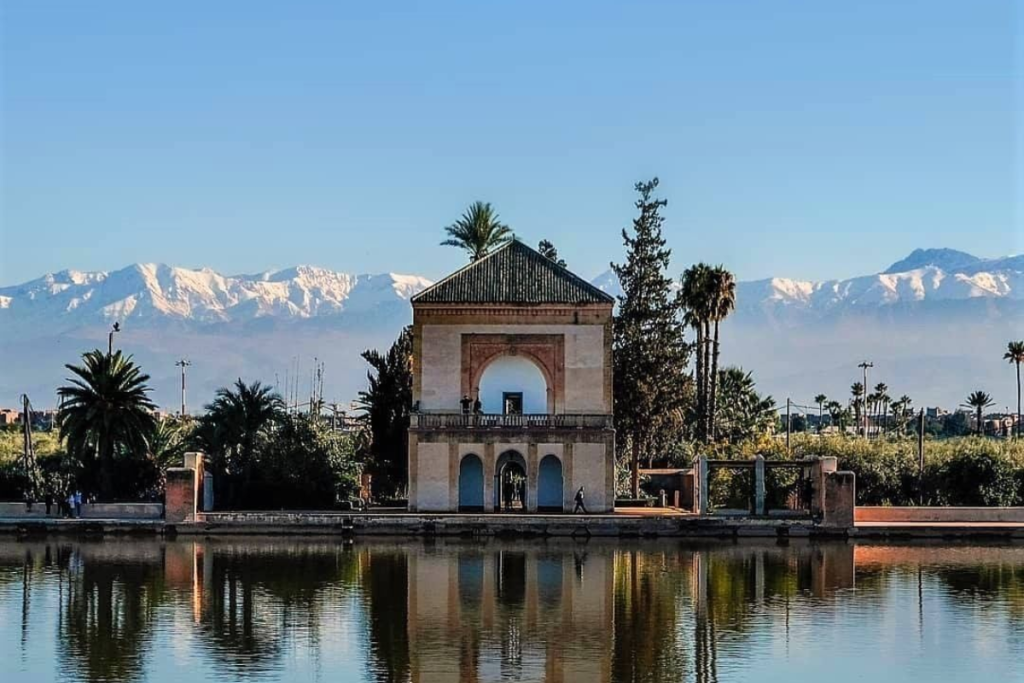
Two favorites are Jardin Majorelle, famous for its striking blue tones and exotic plant life, and Menara Gardens, which offer a quieter atmosphere with views that can stretch toward the Atlas Mountains on a clear day. If you’re building Morocco vacation packages, gardens are an easy way to make the itinerary more comfortable without sacrificing the “wow factor.”
Taste Authentic Moroccan Cuisine in Marrakech
Marrakech is a paradise for food lovers. You don’t need to chase “fine dining” to eat well—some of the most memorable meals happen in simple settings, especially when flavors are fresh and spice blends are balanced. That said, food experiences can be planned thoughtfully so you try the classics without feeling rushed or overwhelmed by too many heavy meals in a row.
During your stay, you’ll likely encounter tagine (slow-cooked and fragrant), couscous (often associated with Friday tradition), grilled meats, seasonal salads, and the ever-present mint tea that signals hospitality. Because food is such a big part of cultural connection, many travelers pair their trip with Marrakech tours that include tasting stops or cooking experiences.
If you want to go deeper, consider adding:
- Street-food sampling near Jemaa el-Fnaa (best done with smart timing)
- A cooking class to learn spice basics and tagine techniques
- A bakery stop to see how local breads and sweets are made
These experiences are especially good for families because everyone can participate at their own level. In fact, food-focused Morocco cultural tours often become the most shared-and-discussed memory of the trip, because meals create natural conversation and togetherness.
Luxury Riads in Marrakech: Where the City Feels Calm
One of Marrakech’s greatest surprises is how peaceful it can feel once you step inside a riad. Behind medina walls, many riads are designed around an interior courtyard, often with plants, fountains, tiled floors, and quiet seating areas. Therefore, a good riad isn’t just a place to sleep—it’s part of the travel experience, especially if you value rest and atmosphere.
If you’re considering luxury riads, prioritize comfort details that improve day-to-day life: easy access, quality bedding, calm nighttime noise levels, and a breakfast setup that feels relaxing rather than chaotic. Moreover, choosing the right base makes it easier to handle Marrakech’s intensity because you always have a quiet “home” to return to.
Start Your Adventure: Marrakech Day Trips and Desert Escapes
Marrakech is an ideal starting point for exploring beyond the city. In fact, many travelers use Marrakech as the anchor of their route because it offers direct access to mountains, valleys, kasbah routes, and desert landscapes. Consequently, you can build an itinerary that mixes city culture with nature and open space—often the best formula for avoiding burnout.
That’s why Marrakech day trips are so popular: they let you experience a totally different side of Morocco without constantly changing hotels. Additionally, they’re flexible—meaning you can choose gentle scenic days for grandparents or higher-energy options for teens and adventure travelers.
Marrakech tours:
- Tour 3-Days from Marrakech to Fez through Sahara
- Tour-3-days-from-marrakech-to-desert-merzouga
- Tour 4-Days from Marrakech to Merzouga by Ouarzazate
- Tour 4-Days from Marrakech to Fez and desert
- Tour 5-Days from Marrakech to Merzouga by Ouarzazate
- Tour 5-Days from Marrakech to Fes via desert Merzouga
- Tour 6-Days from Marrakech to Desert Merzouga
- Tour 7-Days from Marrakech to Fes and Desert
- Tour 7-Days from Marrakech to Fes by Ouarzazate
Atlas Mountains and Berber villages
The Atlas Mountains deliver dramatic scenery, cooler air, and a change of pace from the medina. A well-designed day trip can focus on viewpoints, village life, and relaxed meals rather than intense trekking. As a result, it works well for multi-generational groups because the experience is scenic and cultural without being physically demanding.
If you want that classic mountain day, consider an Atlas Mountains tour that includes comfortable stop spacing and a flexible timeline. Similarly, an Ourika Valley trip is a popular option when you want nature, riverside moments, and a calmer rhythm close to Marrakech.
Agafay Desert: a quick luxury escape
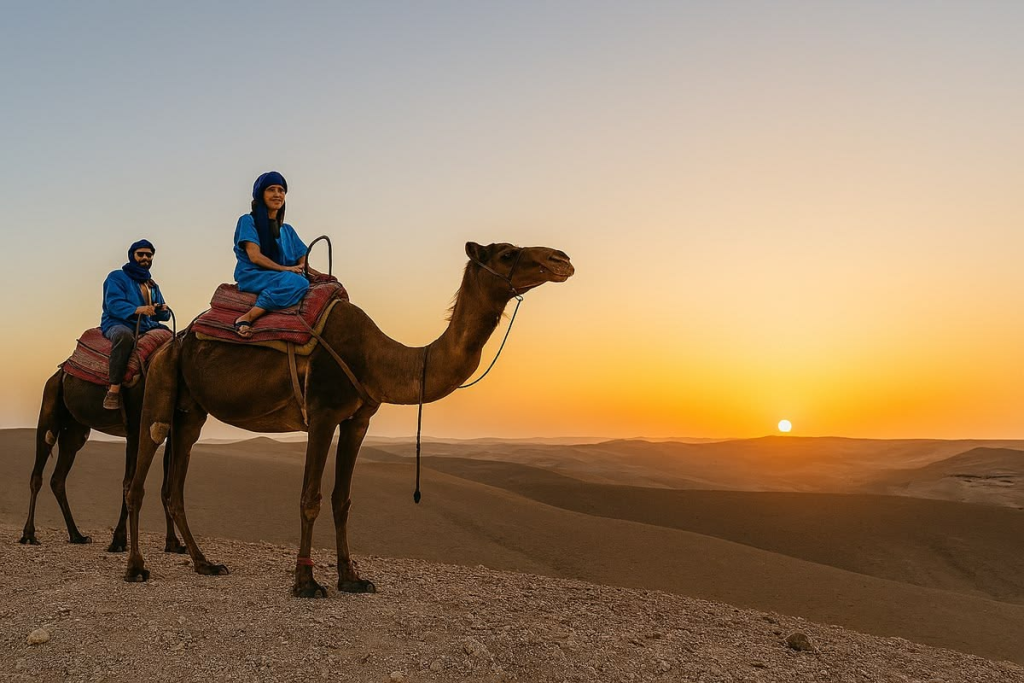
If you want a “desert feel” without committing to long drive days, the Agafay Desert offers a convenient escape near Marrakech. It’s rocky rather than sandy, yet the landscape still feels wide, cinematic, and peaceful—especially at sunset. Therefore, it’s a strong option for travelers who want a short desert highlight in a tight schedule.
Agafay also works well for families who want comfort and easy logistics. Many experiences can be tailored to your energy level, which is why travelers often search for Marrakech desert tours that include flexible add-ons rather than rigid packages.
Ait Ben Haddou: iconic kasbah scenery
Ait Ben Haddou is famous for a reason: the setting is dramatic, the architecture is striking, and the atmosphere feels cinematic. It’s a popular stop on southern routes, and it often pairs well with scenic mountain crossings. However, because it’s well-known, timing matters—visiting at the right hour can dramatically improve comfort and photos.
For travelers building longer routes, this stop is often part of a broader story: leaving Marrakech behind, crossing landscapes, and entering kasbah country. Therefore, it fits naturally into Morocco tours that are designed around variety, not just city hopping.
Sahara Desert: the classic bucket-list route
The Sahara is one of Morocco’s most unforgettable experiences, especially if you love open space, silence, and star-filled skies. Camel trekking, dune sunsets, and overnight desert camps can feel magical when they’re paced well and matched to your comfort needs. Still, the Sahara is far from Marrakech, so it’s essential to plan drive days realistically.
If your goal is a longer desert journey, look for a well-structured Marrakech Sahara tour that balances scenery, rest stops, and overnight comfort. Additionally, a shorter camel segment is often enough for families and older travelers, while more adventurous members can choose longer rides without forcing everyone into the same activity level.
Best Time to Visit Marrakech (and How to Plan Comfortably)
Marrakech can be visited year-round, but the “best” time depends on what you want to do and how sensitive your group is to heat. Spring and fall are popular because temperatures are often more comfortable for walking, while summer can be hot—especially in the middle of the day. Meanwhile, winter can be pleasant in the city, although evenings may be cool, particularly after day trips into higher elevations.
If you’re planning with family or grandparents, the smartest approach is pacing and timing: do medina walks earlier, schedule garden time in the warmest hours, and leave room for rest. When travelers research best time Morocco, what they’re really looking for is comfort—and comfort comes from both season choice and itinerary design.
Practical Marrakech Tips That Make Your Trip Better
Marrakech becomes much easier when you plan small “friction reducers.” Comfortable walking shoes matter more than fashion, because medina paths can be uneven. Sun protection is essential, especially on open squares and day trips. Additionally, it helps to carry small cash for tips and small purchases, while keeping valuables secure and simple.
Just as importantly, build a rhythm: one intense medina block, then a calmer break; one major monument, then a relaxed meal; one full day trip, then a slower city day. This pacing approach is exactly why many travelers prefer Marrakech tours with flexible schedules—they make the city feel thrilling without making it feel exhausting.
SEO Keyword Treatment (Marrakech-Focused)
This guide intentionally targets search intent around Marrakech and surrounding experiences by using keywords naturally within helpful sections. High-intent phrases integrated here include Marrakech tours, Marrakech city tour, Marrakech day trips, Marrakech desert tours, Marrakech Sahara tour, Atlas Mountains tour, and Ourika Valley trip. It also supports broader planning queries like Morocco travel packages, Morocco vacation packages, and Morocco cultural tours.
To strengthen SEO further in WordPress, add image alt text that matches real content (example: “Jemaa el-Fnaa food stalls at night,” “Bahia Palace courtyard,” “Jardin Majorelle blue walls,” “Atlas Mountains day trip from Marrakech”). Additionally, create supporting posts that internally link back to this guide using short anchors like things to do and Marrakech travel guide, because consistent internal linking helps Google understand topical authority.
Final Takeaway
Marrakech is unforgettable because it offers intensity and calm in the same city—if you plan it well. The medina brings color and energy, monuments provide depth, gardens restore balance, and food ties everything together. Then, when you’re ready, day trips let you trade crowds for mountains, valleys, kasbahs, and desert horizons.
If you want the smoothest experience, build your trip around pacing, timing, and flexibility. Then this Marrakech travel guide becomes more than inspiration—it becomes a practical blueprint for a Marrakech trip that feels rich, comfortable, and truly memorable.