
The Complete 2026 Guide to Morocco’s Cities, Mountains, Coast, and Sahara Desert
Introduction: Experiencing Morocco as a Complete Cultural Landscape
Morocco is a country defined by contrast, rhythm, and continuity. It is not limited to one iconic monument or a single landscape, but rather shaped by the interaction between ancient cities, Atlantic coastlines, mountain villages, and vast desert horizons. Traveling with Morocco Good Travel allows visitors to experience these regions not as isolated stops, but as interconnected parts of a living cultural narrative.
What makes Morocco truly remarkable is the way tradition and modern life coexist. In one day, a traveler can walk through a centuries-old medina, share tea in a mountain village, and witness a sunset over sand dunes. Through carefully designed journeys with Morocco Good Travel, Morocco becomes more than a destination—it becomes a layered and meaningful experience shaped by history, geography, and hospitality.
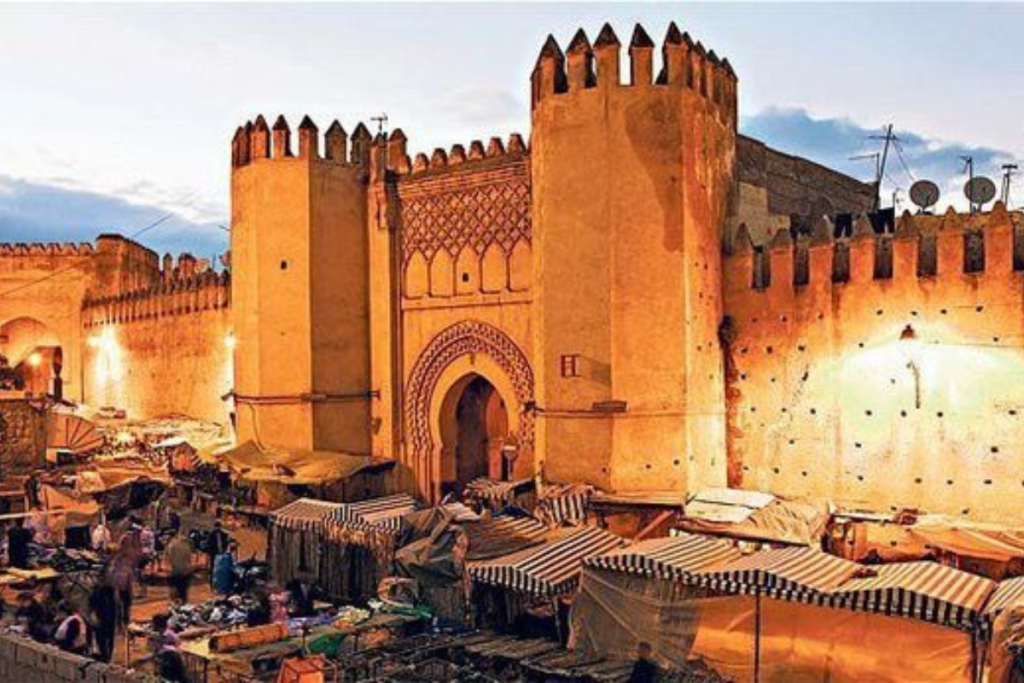
Marrakech: The Vibrant Heart of Southern Morocco
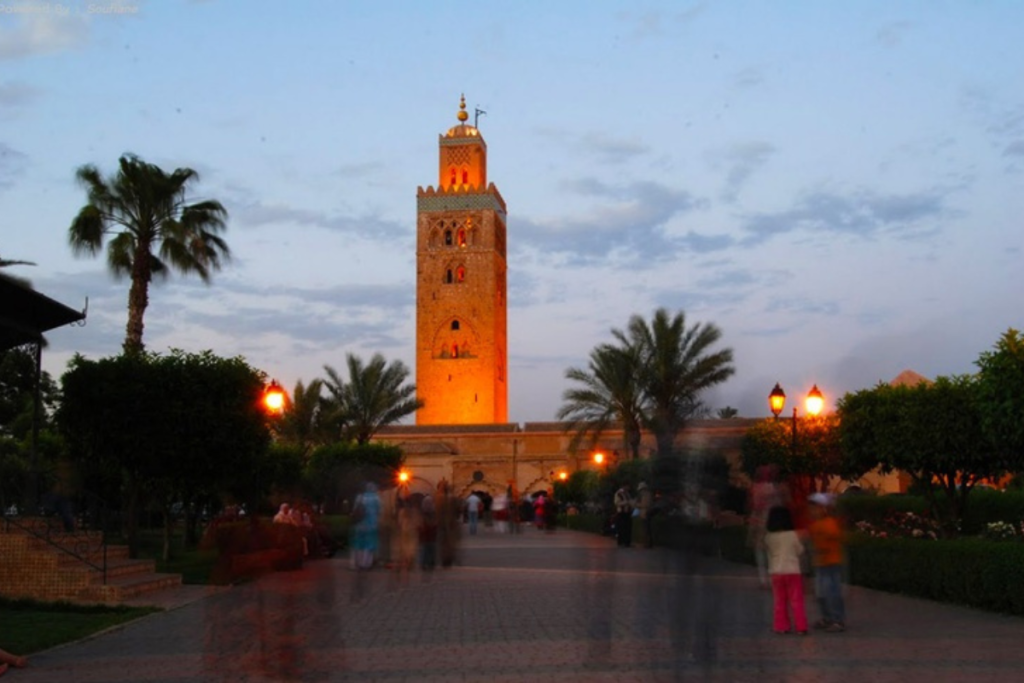
The city of Marrakech stands as one of Morocco’s most dynamic and visually captivating destinations. Its terracotta walls glow beneath the sun, while the medina pulses with energy from sunrise to late evening. Walking through the souks of Marrakech, visitors encounter metalworkers shaping lanterns, spice vendors arranging fragrant displays, and artisans weaving textiles with extraordinary precision.
At the center of the city lies Jemaa el-Fnaa square, a cultural space that transforms throughout the day. Morning hours feel calm and traditional, while evenings fill the air with music, storytelling, and the aroma of freshly prepared cuisine. Despite its vibrant intensity, Marrakech also offers tranquility inside hidden riads, where fountains and intricate tilework create peaceful retreats from the bustling streets.
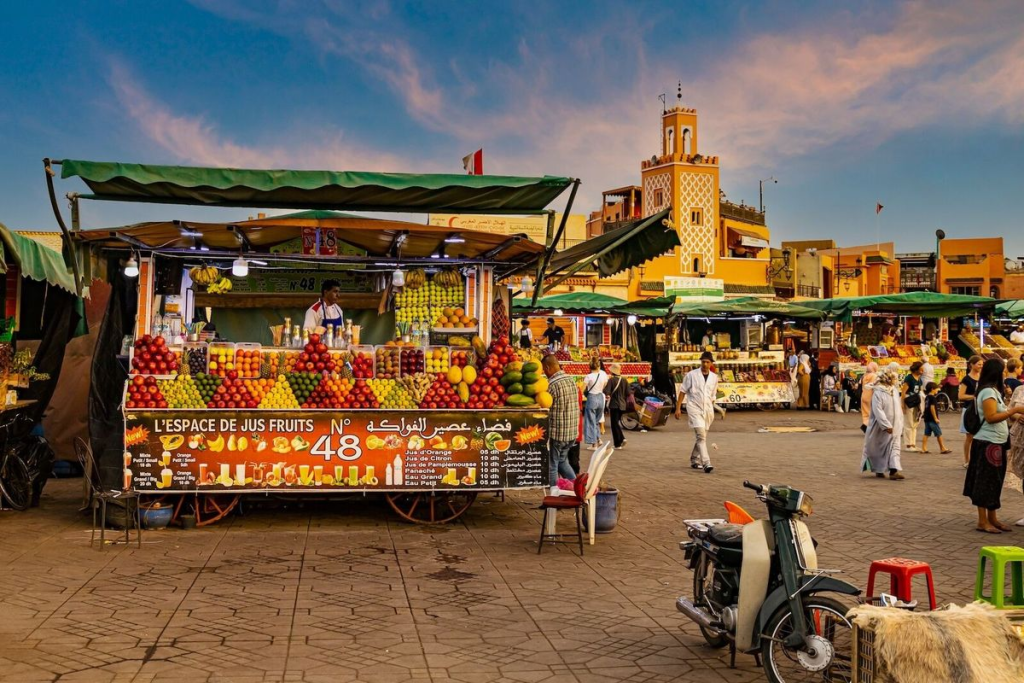
Marrakech tours:
- Tour 3-Days from Marrakech to Fez through Sahara
- Tour-3-days-from-marrakech-to-desert-merzouga
- Tour 4-Days from Marrakech to Merzouga by Ouarzazate
- Tour 4-Days from Marrakech to Fez and desert
- Tour 5-Days from Marrakech to Merzouga by Ouarzazate
- Tour 5-Days from Marrakech to Fes via desert Merzouga
- Tour 6-Days from Marrakech to Desert Merzouga
- Tour 7-Days from Marrakech to Fes and Desert
- Tour 7-Days from Marrakech to Fes by Ouarzazate
Fes: Morocco’s Spiritual and Intellectual Capital
In contrast to Marrakech’s theatrical energy, Fes represents reflection and preservation. Its ancient medina remains one of the most intact medieval urban centers in the world. Within the winding streets of Fes, artisans dye leather in stone vats, assemble mosaics piece by piece, and carve cedar wood into intricate geometric patterns.
Fes is also historically associated with scholarship and faith, housing one of the oldest universities in existence. Architectural masterpieces adorned with zellige tiles and calligraphic inscriptions demonstrate Morocco’s deep intellectual heritage. The city moves at a deliberate pace, inviting travelers to slow down and appreciate its cultural continuity.
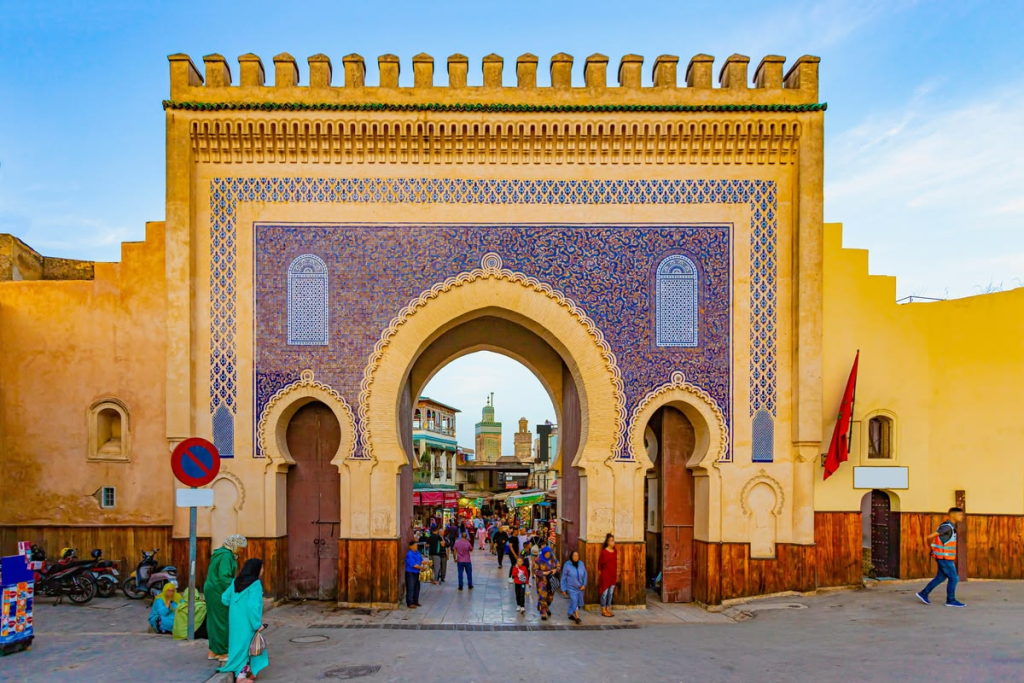
Fes tours:
- Tour 2-Days From Fes To Desert Merzouga by Errachidia
- Tour 3-Days Desert from Fez to Merzouga by Rissani
- Tour 3-Days from Fez to Marrakech via Ait Ben Haddou
- Tour 5-Days from Fez to Marrakech via Merzouga desert
- Tour 4-Days from Fez to Marrakech and Merzouga desert
- Tour 2-Days From Fes To Desert Merzouga by Errachidia
Casablanca: Modern Morocco Along the Atlantic
While imperial cities preserve Morocco’s historic foundations, Casablanca represents its contemporary ambition. Wide boulevards, business districts, and coastal promenades reflect Morocco’s economic dynamism. Exploring Casablanca reveals a different rhythm—one that blends tradition with international influence.
The Hassan II Mosque stands as the city’s defining landmark, rising dramatically above the Atlantic Ocean. Its scale and craftsmanship symbolize Morocco’s ability to honor tradition while embracing modern engineering. Casablanca offers insight into the country’s evolving identity without disconnecting from its heritage.
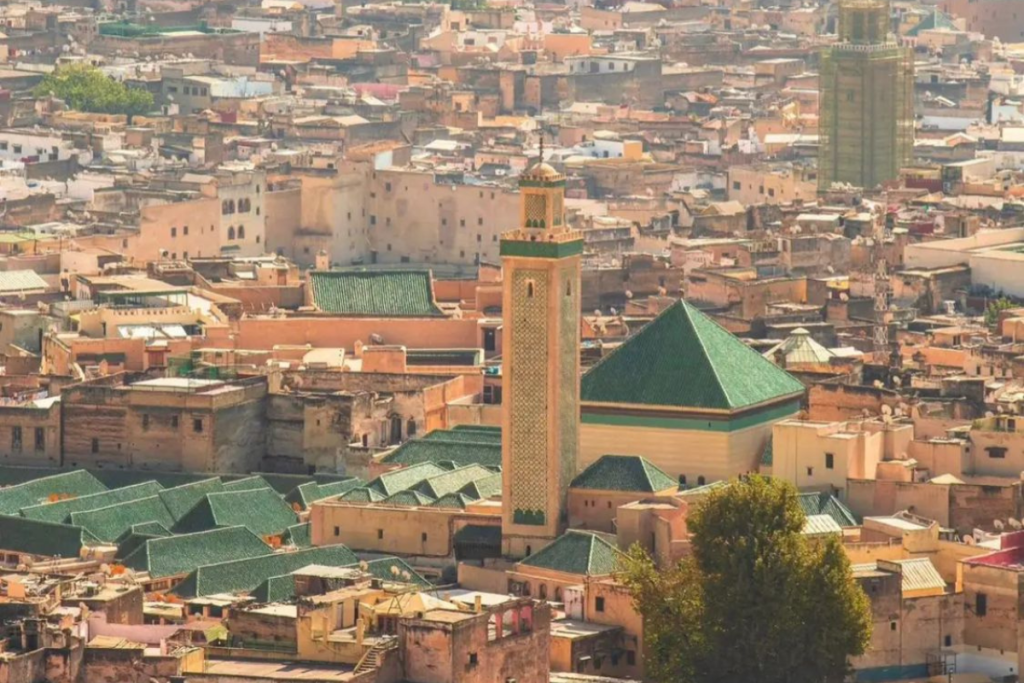
Casablanca tours:
- Tour 6-Days Morocco Tour from Casablanca by Fes and Merzouga
- Tour 7-Days Morocco Tour from Casablanca
- Tour 9-Days Morocco Tour from Casablanca
- Tour 8-Days from Casablanca to Fez Marrakech and desert
- Tour 10-Days desert from Casablanca to Marrakech and Fez
- Tour 14-Days from Casablanca to Marrakech via Fez and Essaouira
Tangier: A Gateway Between Africa and Europe
Located at the northern edge of Morocco, Tangier occupies a strategic position overlooking the Strait of Gibraltar. This geographic reality has shaped the city’s international atmosphere and architectural diversity. Walking through Tangier, visitors sense a blend of Mediterranean charm and Moroccan tradition.
The kasbah offers panoramic ocean views, while the Corniche provides a relaxed coastal promenade. Historically frequented by writers and artists, Tangier carries a cosmopolitan spirit that distinguishes it from inland cities. It represents Morocco’s openness and cultural exchange.
Tangier tours:
- Tour 7-Days desert from Tangier to Marrakech
- Tour 10-Days from Tangier to Marrakech and Merzouga
- Tour 12-Days from Tangier to Marrakech and Essaouira
Chefchaouen: Serenity in the Rif Mountains
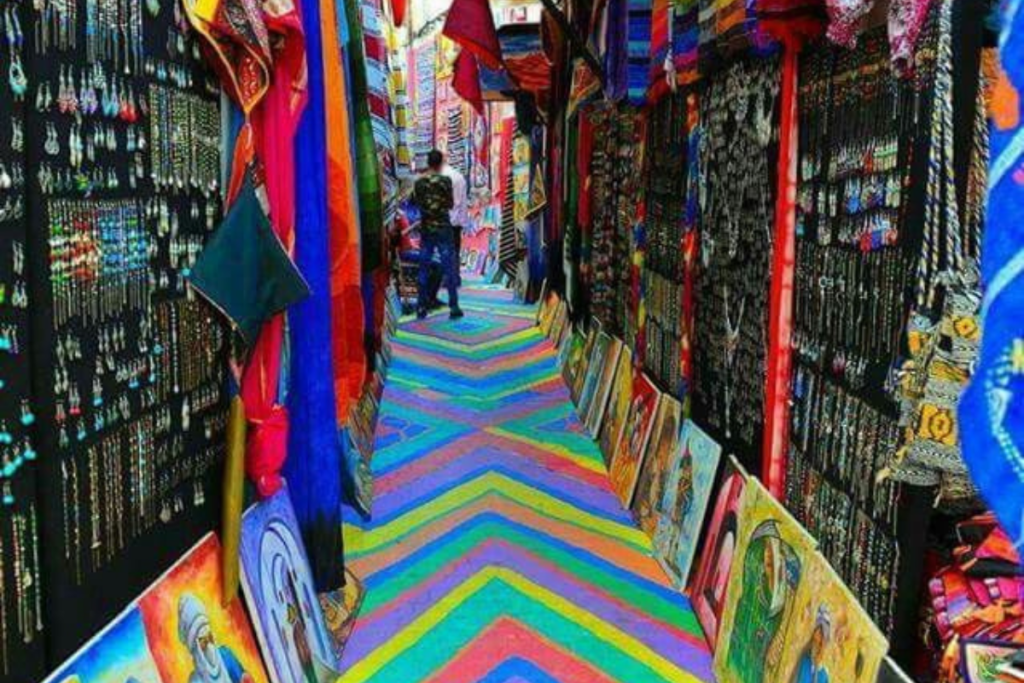
Nestled in the Rif Mountains, Chefchaouen offers a tranquil escape defined by its blue-painted streets. The town’s gentle rhythm contrasts with the intensity of Morocco’s larger cities. Walking through its narrow alleys reveals quiet courtyards and scenic mountain backdrops.
The calming shades of blue reflect light softly, creating an almost meditative atmosphere. Rather than monumental architecture, Chefchaouen’s beauty lies in simplicity and ambiance. It provides balance within a broader Moroccan journey.
The Atlas Mountains: Landscapes of Tradition and Resilience
The Atlas Mountains stretch across Morocco, dividing landscapes and climates. Snow-capped peaks in winter give way to lush valleys in spring, creating dramatic scenery. Villages built from earth and stone cling to hillsides, blending seamlessly with the terrain.
These mountains are home to Amazigh communities whose traditions remain central to Moroccan identity. Markets, agricultural terraces, and family gatherings reflect resilience and continuity. Exploring the Atlas reveals a quieter but equally important dimension of the country.
Ouarzazate: Gateway to the Southern Desert
Further south, Ouarzazate marks the transition from mountain landscapes to desert expanses. Known for its earthen architecture and cinematic scenery, Ouarzazate introduces travelers to Morocco’s southern character.
Nearby Aït Ben Haddou stands as a UNESCO-recognized site, rising from the landscape in warm tones that glow at sunset. The region’s kasbahs reflect adaptation to desert climates and demonstrate architectural ingenuity shaped by environment.
Ouarzazate tours:
- Tour 2-Days desert from Ouarzazate to Errachidia
- Tour 3-Days desert from Ouarzazate to Merzouga
- Tour 4-Days desert from Ouarzazate to Merzouga
The Sahara Desert: Silence and Infinite Horizons
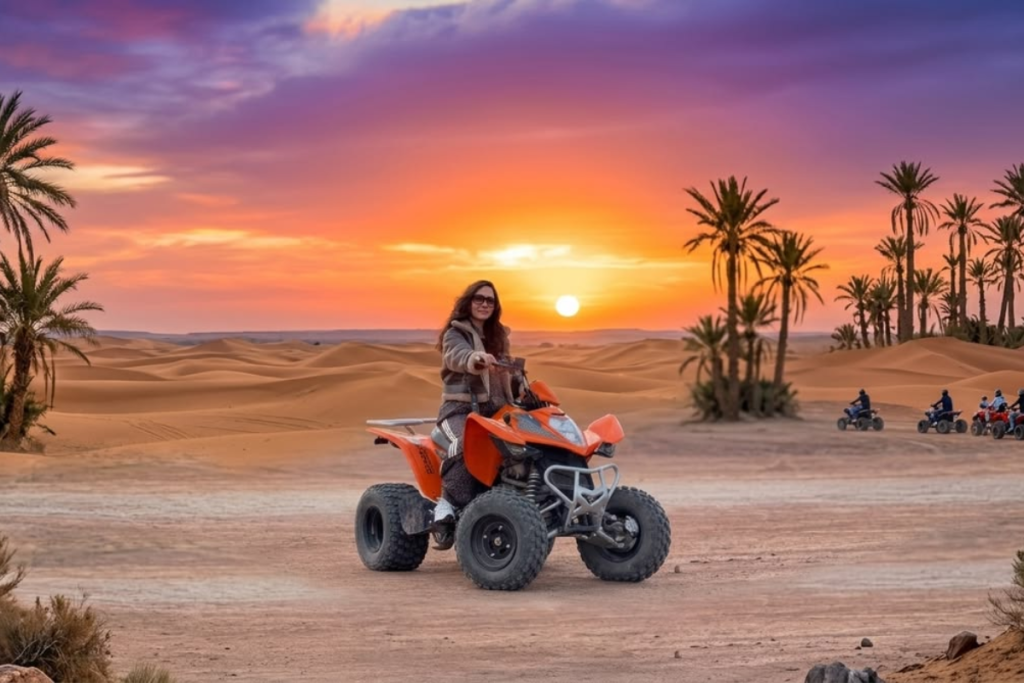
No Moroccan journey feels complete without entering the Sahara. Crossing mountain passes before reaching vast dunes emphasizes the country’s geographic diversity. The transition from cultivated valleys to open sand creates a sense of anticipation and wonder.
Camel rides at sunset and nights beneath star-filled skies provide profound moments of reflection. The desert’s silence contrasts sharply with urban vibrancy, offering perspective and calm. It represents the final and transformative chapter of a Moroccan adventure.
Moroccan Cuisine: Flavor as Cultural Memory
Moroccan cuisine reflects centuries of cultural exchange. Influences from Berber, Arab, Andalusian, and Mediterranean traditions combine in dishes rich with spices such as saffron, cumin, and cinnamon. Tagine and couscous remain staples that connect families across generations.
Markets overflow with olives, preserved lemons, dates, and fresh bread. Mint tea, poured ceremoniously, symbolizes hospitality and warmth. Through shared meals, visitors experience Moroccan generosity firsthand.
Craftsmanship: Living Artistic Heritage
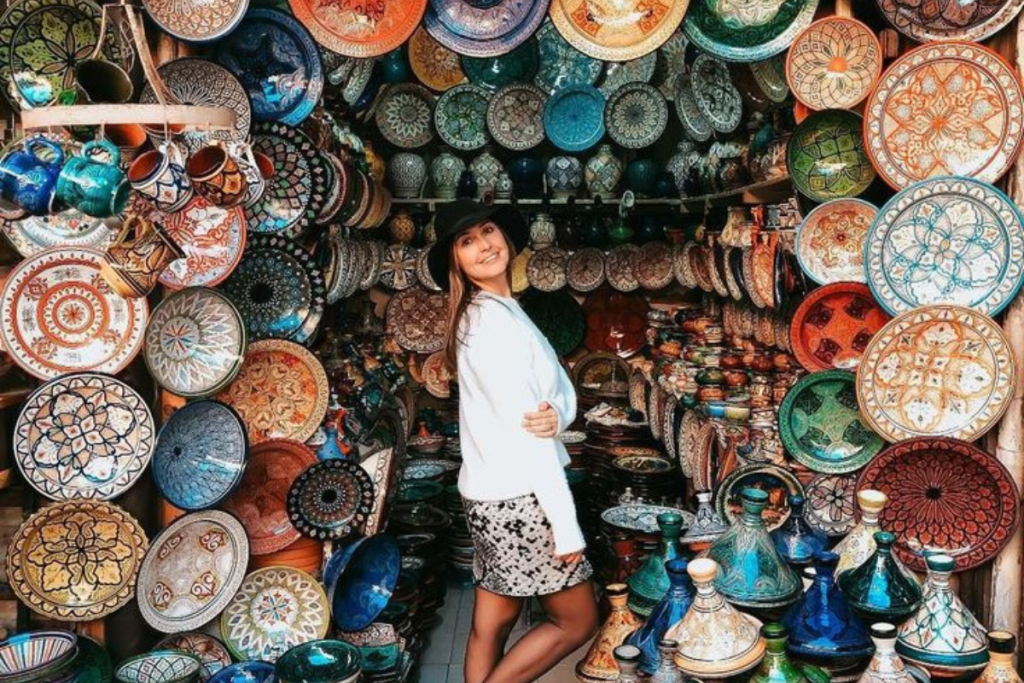
Throughout Morocco, artisans preserve ancestral techniques. Zellige tiles form intricate geometric patterns, rugs woven by hand carry symbolic meaning, and metal lanterns cast patterned light. These crafts remain economically and culturally significant.
Observing artisans at work reveals dedication to precision and continuity. Craftsmanship in Morocco is not a relic of the past but an active expression of identity passed from generation to generation.
Designing a Complete Moroccan Itinerary
A well-balanced itinerary connects destinations such as Marrakech, Fes, Casablanca, Tangier, and Ouarzazate. Each region contributes a different atmosphere, from vibrant markets to coastal breezes and desert silence.
Through thoughtful planning with Morocco Good Travel, travelers can experience Morocco’s diversity without feeling rushed. This approach transforms travel into immersion rather than observation.
Conclusion: Morocco as a Harmonious Whole
Morocco’s identity is built upon contrast and balance. Its cities preserve history, its mountains shelter tradition, its coastlines reflect openness, and its desert inspires reflection. Together, these elements form a cohesive and unforgettable journey.
For travelers seeking authenticity, diversity, and cultural richness, Morocco Good Travel offers the opportunity to explore Morocco not as a checklist of landmarks, but as a living and evolving landscape shaped by centuries of heritage.