
Morocco Good Travel
Understanding Morocco Beyond the Surface
Morocco is not a destination that can be summarized in a single image. It is not only colorful markets, not only desert dunes, and not only historic mosques. Instead, Morocco is a country of layers—each region revealing a different dimension of its identity. Traveling with Morocco Good Travel allows visitors to experience these layers gradually, connecting culture, history, and landscapes into one meaningful journey.
From the Atlantic coastline to the peaks of the Atlas Mountains and the vast openness of the Sahara, Morocco presents remarkable geographic diversity. At the same time, its cities preserve traditions that remain active rather than preserved behind museum glass. Choosing Morocco Good Travel means stepping into living heritage rather than simply observing it.
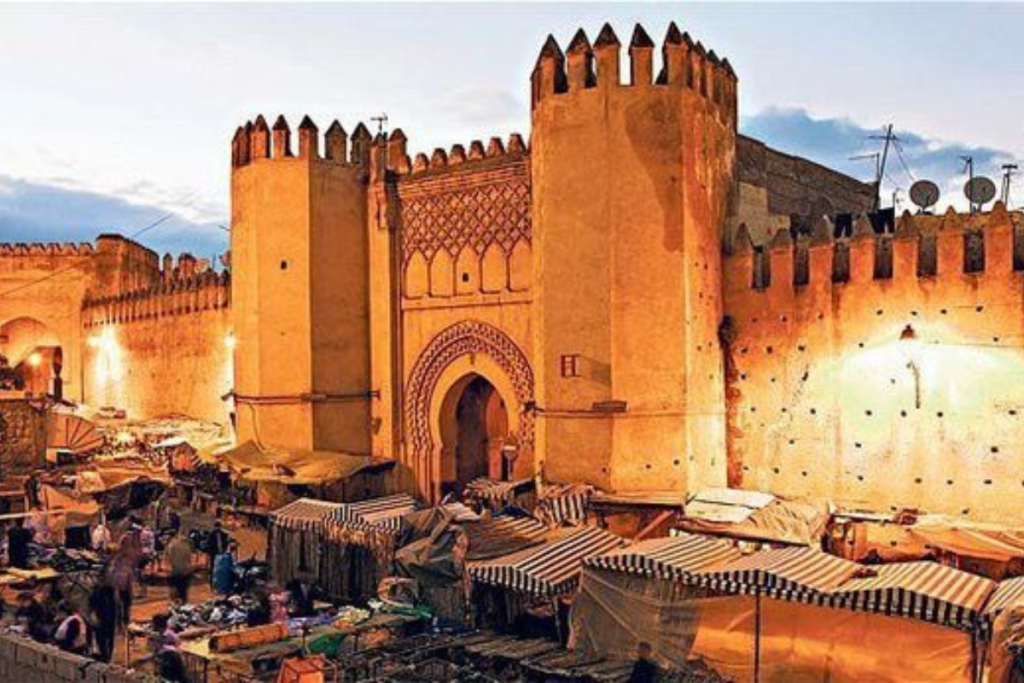
Marrakech: The Pulse of Moroccan Energy
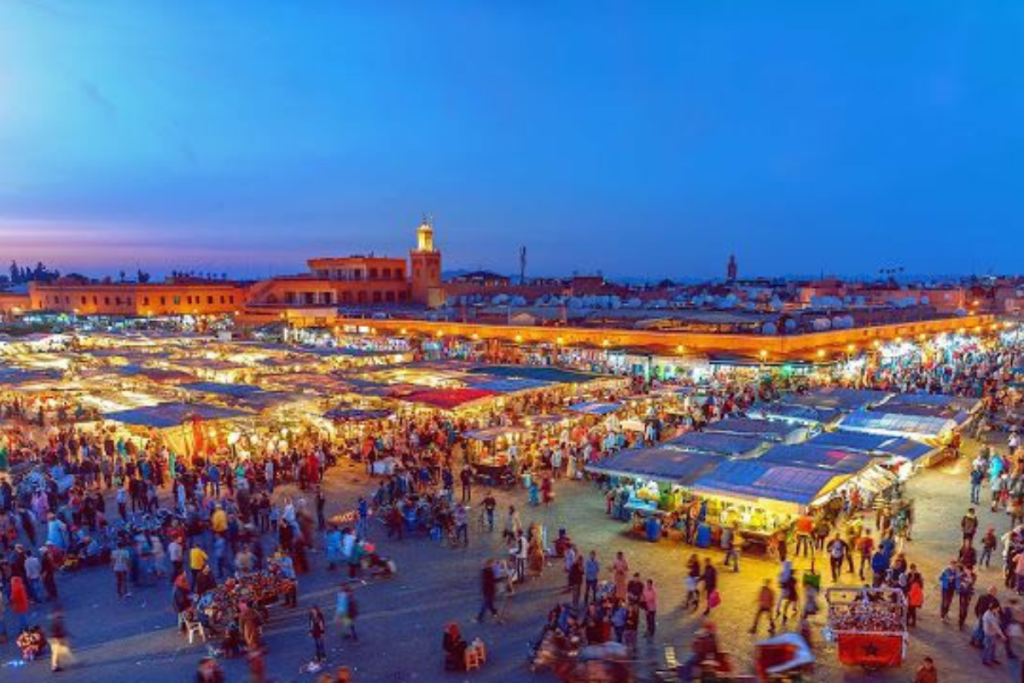
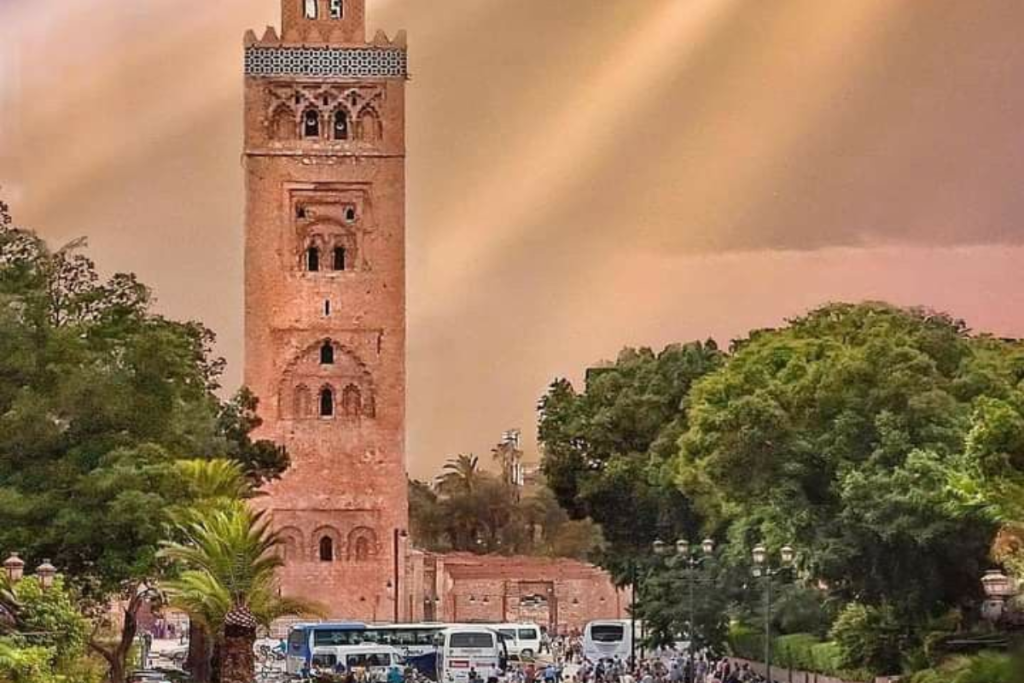
Marrakech is often the first introduction travelers have to Morocco’s vibrant identity. Known as the Red City, it captivates visitors with terracotta walls, bustling markets, and lively public squares. The medina is a maze of narrow streets where artisans hammer metal, dye fabrics, carve wood, and arrange colorful spices in carefully stacked pyramids. The energy feels constant yet rhythmic, guided by traditions that have shaped the city for centuries.
At the center of Marrakech lies Jemaa el-Fnaa, a square that transforms throughout the day. Morning brings fruit vendors and calm exchanges, while evening fills the space with musicians, storytellers, and open-air kitchens. Despite its movement, the city also hides peaceful riads behind modest doors, where tiled courtyards and fountains create quiet retreats from the vibrant streets outside.
Fes: Morocco’s Spiritual and Intellectual Core
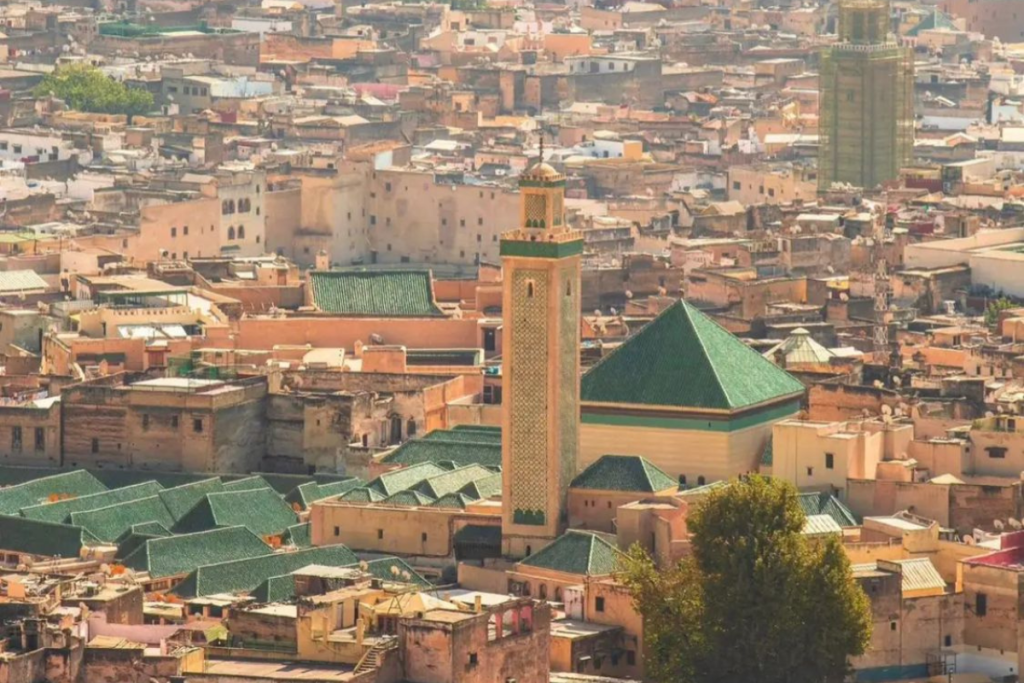
While Marrakech pulses with energy, Fes offers depth and contemplation. Known for its historic medina, Fes preserves one of the oldest urban environments in the Islamic world.
The city’s narrow alleyways twist and turn unpredictably, guiding visitors past workshops where leather is dyed, ceramics are painted by hand, and intricate mosaics are assembled piece by piece. The famous tanneries remain a symbol of Fes’s enduring craftsmanship.
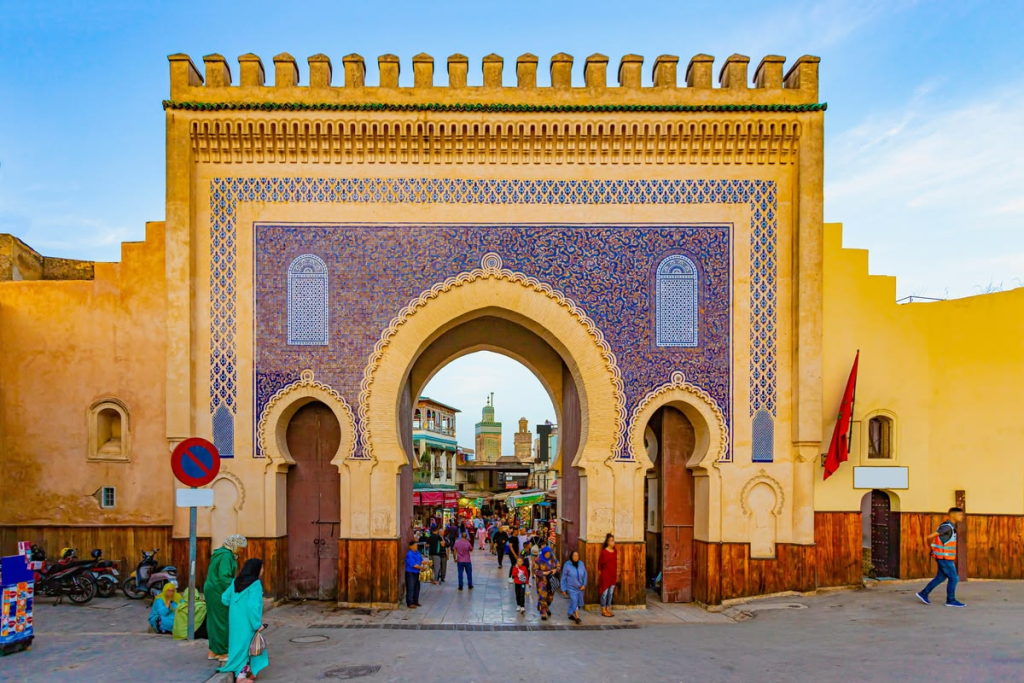
Fes is also home to one of the world’s oldest universities, reflecting Morocco’s historical commitment to scholarship and religious learning. Decorative details throughout the city—zellige tiles, carved cedar wood, and calligraphic inscriptions—demonstrate extraordinary artistic precision.
Exploring Fes feels like traveling through time. Unlike modern cities driven by speed, Fes moves at a deliberate pace rooted in tradition.
Casablanca: Modern Architecture and Atlantic Views
In contrast to imperial cities, Casablanca represents Morocco’s contemporary identity. As the country’s economic center, the city combines modern infrastructure with cultural significance.
The Hassan II Mosque stands dramatically over the Atlantic Ocean, showcasing both traditional Moroccan artistry and modern engineering achievement. Exploring Casablanca reveals wide boulevards, coastal promenades, and a cosmopolitan atmosphere.
While Casablanca may lack the medieval ambiance of Fes or Marrakech, it provides insight into Morocco’s present and future development.
Tangier: Where Africa Meets Europe
Situated at the northern edge of Morocco, Tangier holds a unique geographic and cultural position. Overlooking the Strait of Gibraltar, the city has long been influenced by both African and European traditions.
Walking through Tangier, visitors encounter a blend of Mediterranean architecture and Moroccan heritage. The kasbah offers panoramic ocean views, while the Corniche invites relaxed seaside strolls.
Tangier’s international past adds depth to its identity, making it a fascinating stop within a broader Moroccan itinerary.
Chefchaouen: Mountain Calm and Visual Harmony
Nestled within the Rif Mountains, Chefchaouen offers serenity and simplicity. Known for its blue-painted streets, the town creates a calming atmosphere that contrasts with the intensity of larger urban centers. Walking through its quiet alleys feels meditative, as light reflects gently off the shades of blue that define its character.
Unlike imperial cities rich in monumental architecture, Chefchaouen’s beauty lies in ambiance. The surrounding mountains frame the town with natural elegance, encouraging travelers to slow their pace and absorb the peaceful surroundings. It represents a softer, quieter dimension of Moroccan life.
Ouarzazate: Gateway to Southern Landscapes
Further south, Ouarzazate marks the transition from mountain terrain to desert expanses. Known for its cinematic landscapes and historic kasbahs, Ouarzazate offers a dramatic change in scenery.
The UNESCO-listed Aït Ben Haddou stands as one of Morocco’s architectural treasures. Its earthen buildings rise from the surrounding valley, reflecting traditional desert construction techniques adapted to climate and geography.
Traveling through this region highlights Morocco’s geographic contrasts—rocky mountains giving way to open plains beneath expansive skies.
The Sahara Desert: Vastness and Reflection
No exploration of Morocco feels complete without entering the Sahara. Through carefully planned journeys with Morocco Good Travel, travelers cross mountain passes and valleys before reaching golden dunes that stretch endlessly toward the horizon.
Camel rides at sunset create rhythmic movement across the sand. As daylight fades, the sky transforms into layers of orange, pink, and violet. Nights spent beneath star-filled skies provide moments of quiet reflection rarely found in modern life.
The desert’s silence contrasts sharply with the vibrant atmosphere of Moroccan cities, completing the full spectrum of experience.
Moroccan Cuisine: Flavor as Cultural Heritage
Moroccan cuisine reflects centuries of cultural exchange. Influences from Berber, Arab, Andalusian, and Mediterranean traditions combine to create layered flavors and aromatic dishes. Tagine and couscous remain staples of daily life, prepared with patience and shared generously among family and guests.
Markets throughout the country overflow with olives, preserved lemons, dates, and fragrant spices. Mint tea, poured carefully into small glasses, symbolizes hospitality and social connection. Through its food, Morocco communicates warmth and generosity, turning meals into memorable cultural experiences.
Craftsmanship: Preserving Artistic Traditions
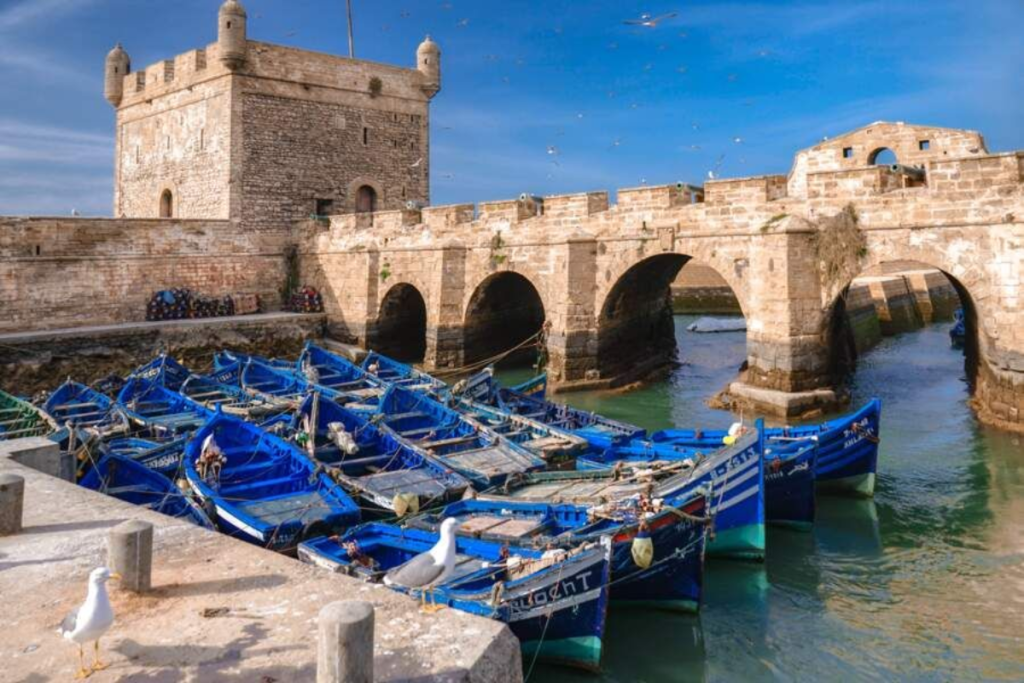
Artisanal craftsmanship remains central to Morocco’s identity. Across cities and villages, artisans continue to practice techniques refined over centuries. Zellige tilework forms intricate geometric patterns, while handwoven rugs carry symbolic designs that reflect regional heritage.
Metalworkers, potters, and woodcarvers maintain skills that connect present generations to their ancestors. These crafts are not simply decorative; they represent livelihoods and cultural continuity. Observing this dedication to artistry reveals the depth of Morocco’s living traditions.
Designing a Meaningful Moroccan Journey
A balanced Moroccan itinerary connects multiple regions. Beginning in Marrakech or Fes provides cultural immersion, while adding Casablanca, Tangier, and Ouarzazate ensures variety.
By planning through Morocco Good Travel, travelers can move seamlessly between landscapes while maintaining depth and comfort.
Conclusion: Morocco as a Harmonious Contrast
Morocco’s power lies in its contrasts. Its imperial cities preserve scholarly heritage, its coastal towns connect continents, and its desert landscapes inspire reflection. Each region complements the others, forming a cohesive narrative of culture and geography.
For travelers seeking authenticity, diversity, and depth, Morocco offers an experience that lingers long after departure. Through its colors, flavors, architecture, and silence, it reveals a country that is both timeless and continually evolving.