
Explore Morocco’s Cities, Coastlines, and Desert Horizons
A Journey Into Morocco’s Living Heritage
Morocco is a country where history is not locked inside museums but alive in daily life. From the echo of footsteps in ancient medinas to the silence of desert dunes at sunset, every region reveals a different chapter of the nation’s identity. Choosing Morocco Good Travel means discovering this diversity through carefully designed journeys that connect culture, architecture, and natural beauty.
What makes Morocco remarkable is the contrast between its landscapes. Within a short distance, travelers can move from Atlantic coastlines to mountain passes and from vibrant cities to vast desert plains. Through Morocco Good Travel, visitors experience these transitions smoothly, creating a balanced and immersive travel experience.
The Soul of Morocco Found in Its Great Cities
Marrakech: Movement, Markets, and Majesty
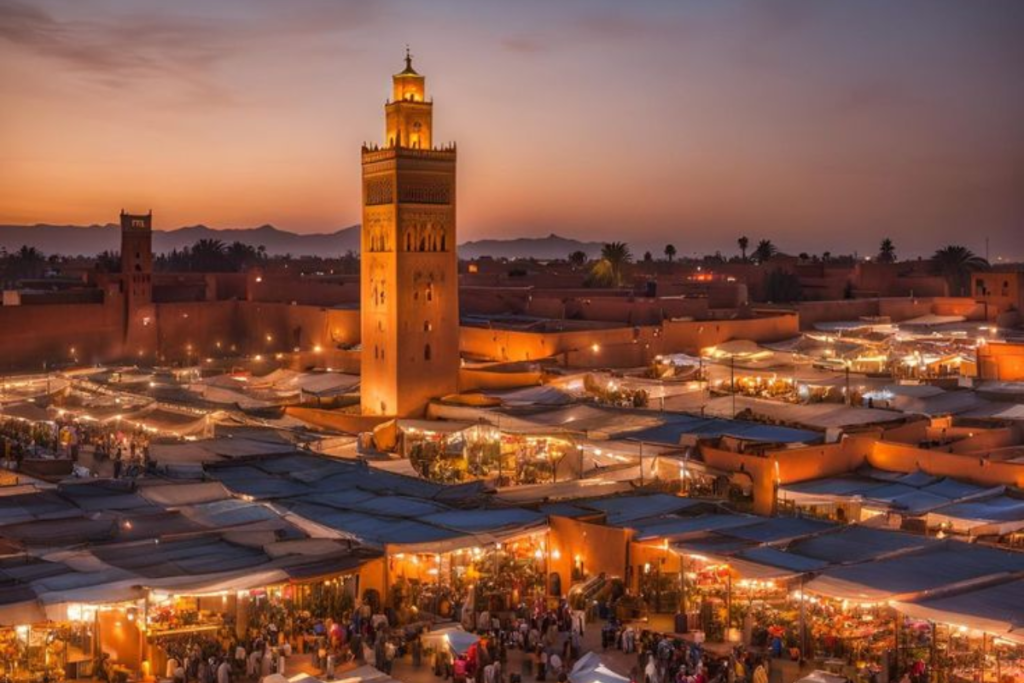
The city of Marrakech stands as one of Morocco’s most iconic destinations. Its warm red walls and labyrinth-like souks immediately capture attention. Yet beyond its striking colors lies a deeper cultural rhythm shaped by centuries of trade, artistry, and storytelling.
As visitors wander through Marrakech, they encounter spice stalls, handwoven carpets, and detailed lanterns that reflect extraordinary craftsmanship. The atmosphere intensifies in the evening when Jemaa el-Fnaa fills with music and aromas from traditional kitchens. This dynamic environment reveals the city’s role as a vibrant cultural crossroads.
At the same time, Marrakech offers calm retreats hidden behind carved wooden doors. Riads with interior courtyards provide moments of peace, demonstrating the harmonious balance between energy and tranquility that defines Moroccan urban life.
Fes: A City Preserved in Time
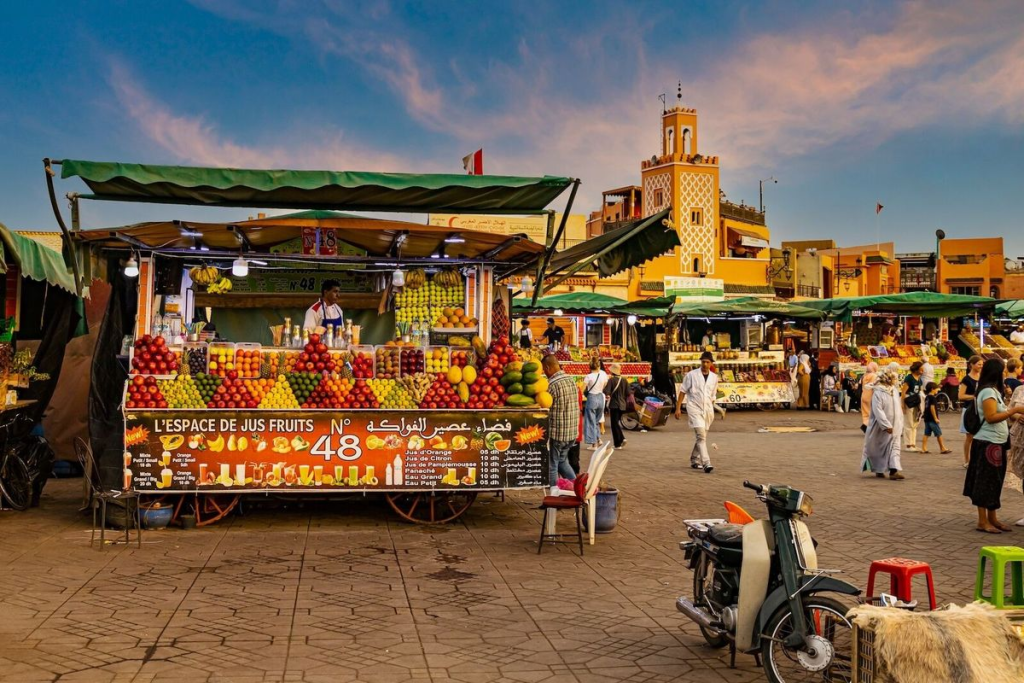
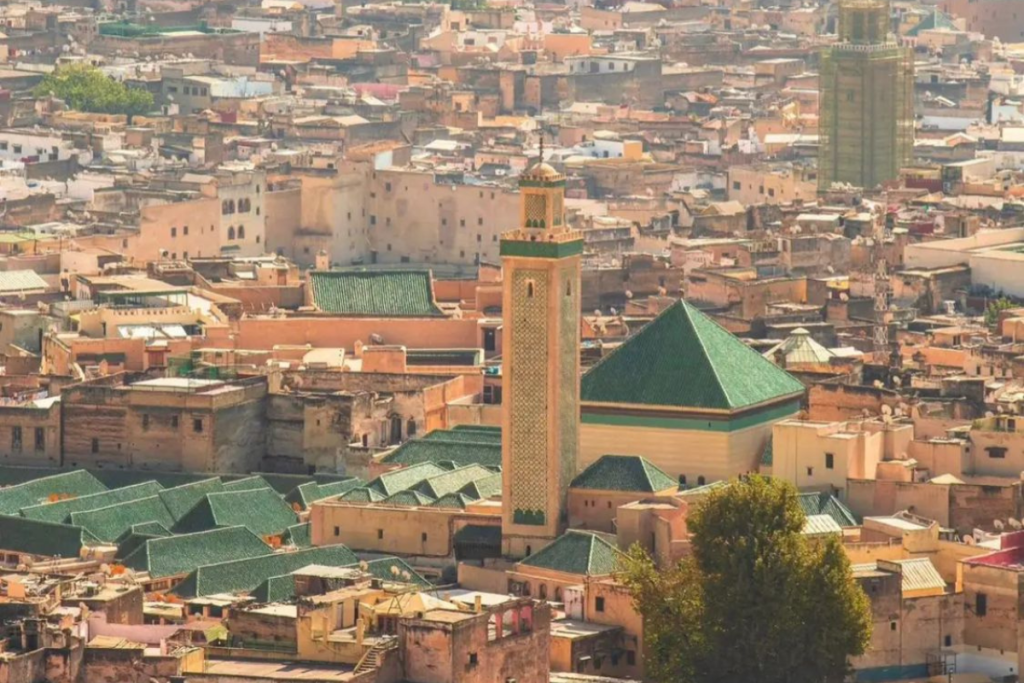
In contrast to Marrakech’s dynamism, Fes embodies reflection and preservation. Often regarded as Morocco’s spiritual and intellectual heart, Fes maintains one of the most intact medieval urban centers in the world.
The narrow passageways of Fes guide travelers past traditional workshops where artisans shape clay, dye leather, and carve cedar wood using techniques handed down for generations. The atmosphere feels timeless, allowing visitors to witness authentic craftsmanship rather than modern reinterpretations.
Beyond its crafts, Fes symbolizes scholarly tradition. Historic religious schools and architectural masterpieces showcase intricate geometric patterns that reflect the depth of Moroccan artistic heritage.
Casablanca: Contemporary Energy by the Ocean
While Morocco’s imperial cities showcase ancient history, Casablanca presents a more modern perspective. As the country’s economic center, Casablanca blends business districts with architectural landmarks overlooking the Atlantic.
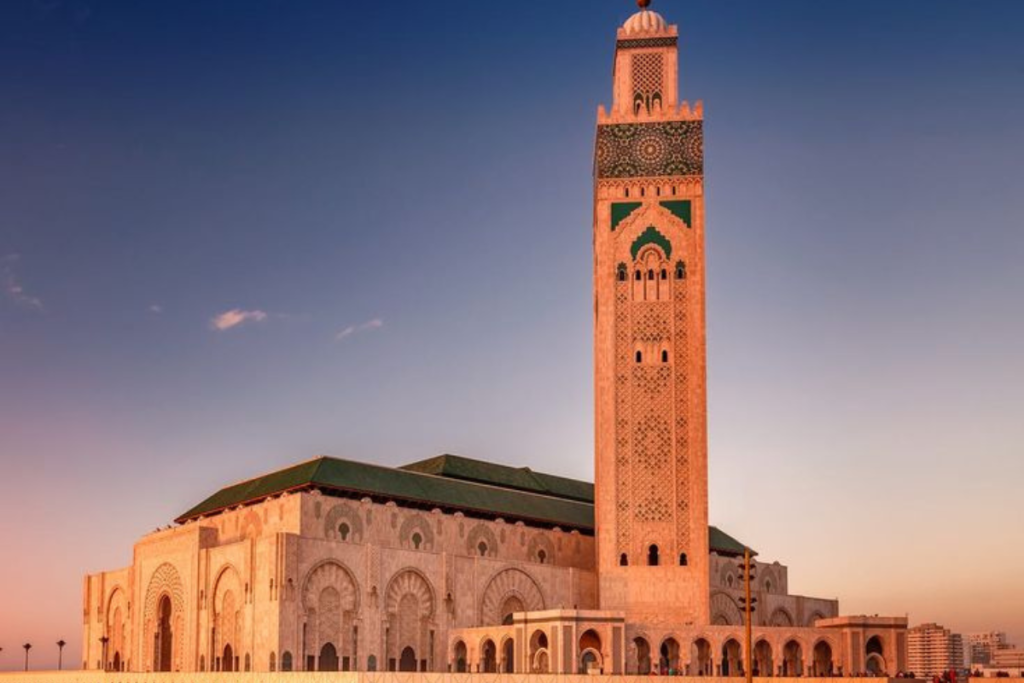
The Hassan II Mosque stands dramatically above the ocean, combining traditional Moroccan artistry with contemporary engineering. Exploring Casablanca highlights how Morocco continues to evolve while respecting its heritage.
The city’s seaside promenades and urban cafés create a cosmopolitan atmosphere that contrasts with the ancient ambiance of inland medinas.
Where Continents Meet: Northern Morocco
Tangier: A Meeting Point of Cultures
At the gateway between Europe and Africa lies Tangier, a city shaped by its strategic location. For centuries, Tangier attracted diplomats, artists, and writers fascinated by its international character.
Today, Tangier continues to offer sweeping ocean views, historic kasbahs, and vibrant cultural spaces. The blending of Mediterranean and Moroccan influences gives the city a distinctive personality unlike any other destination in the country.
Its relaxed coastal environment provides a refreshing change of pace while still preserving deep historical significance.
From Mountains to Desert: Morocco’s Expansive Landscapes
Ouarzazate: Doorway to the Sahara
Further south, Ouarzazate marks the transition from mountain scenery to desert vastness. Surrounded by arid valleys and striking rock formations, the region offers dramatic natural beauty.
Near Ouarzazate, the historic village of Aït Ben Haddou rises from the earth like a sculpture of clay and stone. This UNESCO-recognized site reflects traditional southern architecture adapted to desert conditions.
Travelers departing from Ouarzazate gradually approach the Sahara, where landscapes open into endless dunes shaped by wind and light.
The Profound Silence of the Sahara
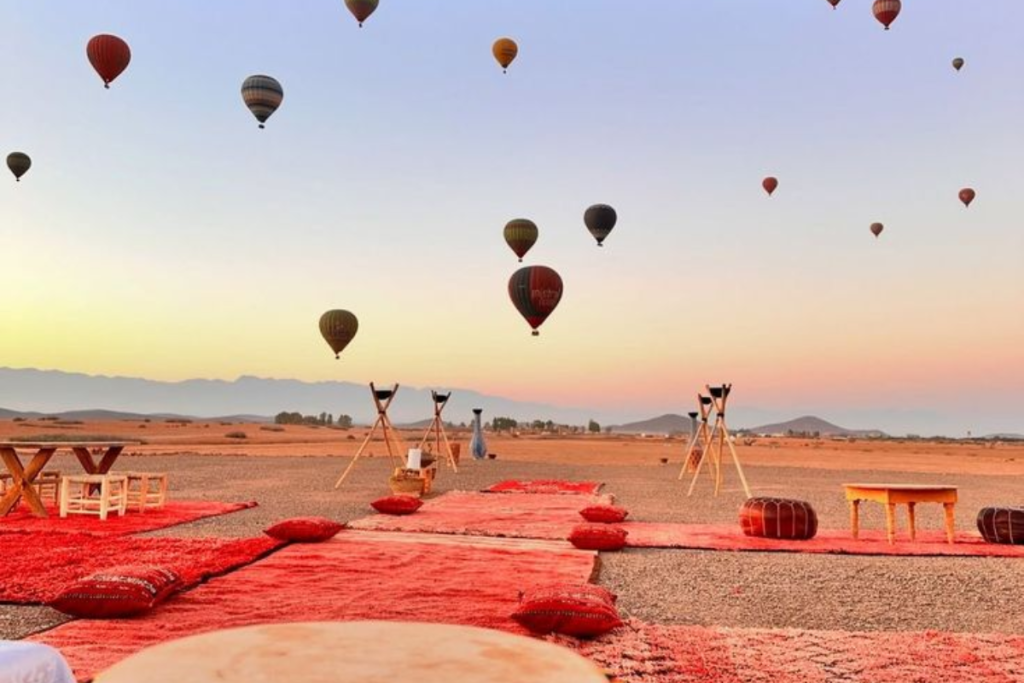
The Sahara Desert introduces a completely different dimension to Moroccan travel. Through organized experiences with Morocco Good Travel, visitors cross winding mountain roads before reaching golden horizons that stretch beyond sight.
As daylight fades, the desert transforms into a canvas of warm colors. Nights spent beneath vast starry skies create moments of calm rarely encountered in daily life. The stillness of the dunes contrasts beautifully with the vibrant energy of Morocco’s cities.
This combination of movement and silence defines the completeness of a Moroccan journey.
Culinary Traditions and Everyday Hospitality
Moroccan cuisine mirrors the country’s layered history. Slow-cooked tagines, fragrant couscous, and freshly baked bread reflect centuries of cultural exchange. Meals are rarely rushed; instead, they represent opportunities to gather and connect.
Travelers exploring with Morocco Good Travel often discover that food becomes a gateway to understanding local customs. Markets filled with spices and herbs provide insight into regional flavors, while shared dinners highlight Morocco’s generosity and warmth.
Creating a Meaningful Travel Experience
A successful Moroccan itinerary weaves together diverse environments. Beginning in a vibrant city such as Marrakech or Fes allows visitors to immerse themselves in history and craftsmanship before expanding toward coastal or desert landscapes.
Including destinations like Casablanca, Tangier, and Ouarzazate ensures variety in scenery and atmosphere. With thoughtful planning through Morocco Good Travel, each transition feels intentional rather than rushed.
Ultimately, Morocco offers more than a vacation. It provides a journey through time, culture, and geography—one that leaves travelers with lasting impressions shaped by color, flavor, sound, and silence.