
Morocco Adventure Tours: The Complete Guide to Deserts, Mountains, Coastlines and Culture
Morocco is one of those rare countries where you can watch the sun rise over the Atlantic, eat lunch beside a mountain river, and then fall asleep beneath the Sahara’s stars — all within the same journey. Consequently, Morocco adventure tours have become the preferred way to experience the Kingdom. Instead of ticking off monuments through a coach window, you travel through living landscapes: dunes that shift with the wind, Berber villages carved into red rock, and palm oases that appear like a mirage after hours on the road. Moreover, every single year brings fresh destinations, new routes and additional attractions to explore.
This guide, therefore, is written for travellers who want far more than a postcard. Whether you are planning a solo escape, a honeymoon, a family holiday or a large group reunion, you will find everything you need right here: the best departure cities, detailed Morocco tour packages from three to fourteen days, the full activity menu, honest advice on costs, seasons, packing and cultural etiquette, and finally the answers to the questions we receive most often. In short, pack your bags, keep reading, and let us build the adventure you will still be talking about in ten years.
Why Choose Our Morocco Adventure Tours?
Our Morocco tours will show you the country like never before. Indeed, the difference between a standard sightseeing holiday and a genuine adventure tour lies entirely in intention: we do not simply move you from A to B; rather, we design a journey where the road itself becomes part of the experience. As a result, you stop where the light is beautiful instead of where the schedule dictates. Furthermore, you share mint tea with a family in the Draa Valley rather than photographing them from a distance, and you sleep in a desert camp with no Wi-Fi, no traffic and no light pollution — just silence and a sky so crowded with stars that it feels almost artificial.
Above all, if you love travelling solo, in small groups or even in large groups, there is a format built specifically for you. For instance, solo travellers appreciate the security and companionship of a guided route, while couples prefer private Morocco tours with their own 4×4 and a luxury camp. Meanwhile, families value flexible timings and child-friendly activities, and large parties of friends or relatives can book entire camps to turn a trip into a celebration. Whatever your travel style, in other words, the destination adapts to you rather than the reverse — and that flexibility remains the single most requested feature among the travellers we host each season.
The Best Adventures Are Only One Click Away
The adventures you will experience with us are genuinely one of a kind. Specifically, we take you up gigantic mountains, around fertile valleys, all the way down to magical oceans and finally into the captivating desert sand. Within a single week, for example, you can cross the Tizi n’Tichka pass at over 2 200 metres, walk through the earthen alleyways of a fortified kasbah, ride a camel across an ocean of dunes, and then finish with grilled sardines on the Atlantic quayside. Few countries on earth, quite honestly, compress that much variety into such a manageable distance.
Consequently, our Morocco desert tours have you swinging between warm Arabian hospitality and pure adrenaline. One moment you are reclining on cushions in a nomad tent while a drum circle begins; the next, you are gripping the handlebars of a quad bike as it climbs a dune ridge. That contrast, importantly, is entirely deliberate. Adventure without comfort quickly becomes exhausting, whereas comfort without adventure becomes forgettable. Therefore, we build itineraries that alternate between the two, so that you return home both genuinely rested and genuinely thrilled.
Local, Professional and Multilingual Tour Guides
Our private tour guides are multilingual professionals who speak French, English, Spanish, Italian, Dutch and several other languages fluently. In addition, they are officially licensed, born and raised in the regions they present, and trained to read a group’s energy. As a result, they know exactly when to explain the twelfth-century irrigation system behind a palm grove — and equally, when to simply let you sit quietly and watch the sunset. That instinct, ultimately, is what separates a guide from a narrator, which is why so many travellers stay in touch with theirs long after the trip ends.
Moreover, they are ready to assist you throughout all Morocco trips and to provide genuine insight into the history, architecture, cuisine and social life of each city or region. For this reason, we highly recommend adding a private guide to your Sahara desert tour Morocco itinerary as well. The desert may look empty to an untrained eye; however, a local reads it like a book — the tracks of a desert fox, the water table beneath a dry riverbed, the family history behind an abandoned ksar. Whatever your favourite corner of the country turns out to be, in short, we have the perfect guide for it.
Non-Stop Action and Thrilling Activities
From camel trekking Morocco classics to quad biking, and from sand bathing to sandboarding, our tours accompany you through moments full of passion and discovery. The activity menu is deliberately broad, because “adventure” means very different things to different people. For some travellers, it means a four-hour ridge hike in the High Atlas; for others, on the other hand, it means learning to bake bread in a sand oven with a nomadic family. Both are equally authentic, both are memorable, and above all both can appear on the same itinerary if you want them.
Fancy a perfectly clear sky for stargazing? Thanks to our desert programmes, we know precisely where to pitch camp. Indeed, the Erg Chebbi and Erg Chigaga regions sit hundreds of kilometres from any significant light pollution, which means the Milky Way remains visible to the naked eye on most nights of the year. Furthermore, guides bring telescopes on request, point out the constellations that Saharan caravans once used to navigate, and explain the Amazigh names for stars that predate the Arabic and Greek ones by centuries.
Flexibility and Security
Our tours are designed to be tailored to your needs; consequently, we are always happy to explore new itineraries together. Simply share your thoughts, your must-see destinations and your preferred travel pace, and then we will handle everything else — the vehicles, the drivers, the permits, the accommodation, the meals and the timing. If, for example, you want to add two nights in Chefchaouen, skip a long driving day, or build an entire route around a photography schedule, we will redesign it rather than pushing you into a rigid package.
Furthermore, we guarantee genuinely relaxed Morocco holidays whose main aim is to let you seize and grasp every moment of joy. Security, meanwhile, is built quietly into that relaxation: our vehicles are modern and regularly serviced, our drivers are professionals with years of mountain and desert experience, our camps keep staff on site around the clock, and we maintain a 24/7 emergency contact throughout your journey. Ultimately, you own the experience at your own pace, supported by a safety net you never have to think about.
The Best Value from an Experienced Morocco Travel Agency
We are the Morocco travel agency that offers you the best price for a luxury and complete service combining everything you are looking for. Our pricing, notably, is transparent from the very first quote: transport, fuel, driver, accommodation, listed meals and activities are all itemised, so you know precisely what is covered. Consequently, there are no compulsory shopping stops, no surprise “optional” surcharges halfway across the Sahara, and no commission-driven detours to workshops you never asked to visit.
That value, moreover, extends well beyond money. We take you on excursions from the Red City, on Morocco desert tour , and on trips to the High Atlas mountains and the beautiful regions of the north. In addition, we offer a wide variety of activities such as camel trekking, quad riding, buggy riding, sandboarding, hiking and hot air balloon rides. Because everything is arranged in-house, you deal with one team from your first email through to your final airport transfer — which saves time, avoids miscommunication, and therefore makes problem-solving instantaneous whenever plans need to change.
Morocco Tour Packages: Choosing the Right Format
Before choosing a route, first decide on a format. Broadly speaking, our Morocco tour packages fall into four families: shared group departures, private departures, luxury programmes and fully bespoke itineraries. Each family covers the same landscapes; however, the pace, the comfort level and the price differ significantly. Choosing correctly at this stage matters more than choosing between Merzouga and Zagora, because format determines how the entire holiday feels day to day.
Shared group tours, to begin with, are the most affordable option and place you with six to sixteen like-minded travellers. Consequently, they suit solo visitors, budget-conscious couples and anyone who enjoys company on the road. Private departures, by contrast, give you a dedicated vehicle and driver, complete control over timings, and the freedom to stop wherever you like. Luxury programmes then add boutique riads, en-suite desert camps and licensed city guides, while custom itineraries rebuild the whole route from scratch around your interests.
Private Morocco Tours
Private Morocco tours remain our fastest-growing category, and the reason is simple: control. With your own vehicle and driver, you decide when to leave, how long to linger at Ait Ben Haddou, whether to add an unplanned stop at a roadside pottery workshop, and where to eat lunch. Furthermore, you travel only with the people you chose to travel with, which matters enormously for families with young children, for multigenerational groups, and for anyone who simply values privacy.
Cost, admittedly, is higher per group; nevertheless, private travel becomes competitive as soon as four or more people share a vehicle. Beyond four travellers, in fact, the price per person often approaches that of a shared departure while the experience improves dramatically. In addition, private tours allow genuine spontaneity: if the light over the Dades Gorge is extraordinary, you stop. If everyone is tired, you rest. That freedom, ultimately, is what most guests describe as the highlight of their trip.
Luxury Morocco Tours
Luxury Morocco tours are built around three upgrades: accommodation, transport and guiding. On the accommodation side, you sleep in restored kasbah hotels, boutique riads with plunge pools, and en-suite desert camps featuring solid floors, real furniture, hot water on demand and sometimes air conditioning. Meanwhile, transport moves to a premium 4×4 or a chauffeured Mercedes van, and licensed local guides join you in every major medina.
However, luxury here means comfort rather than distance from the country. Even on our highest-tier programmes, you still eat in family homes, still ride camels into the dunes, and still walk the mountain paths. The difference, quite simply, is that you return each evening to a genuinely restful base. For honeymoons, milestone birthdays and long-haul travellers with limited holiday time, therefore, the upgrade usually proves money extremely well spent.
Custom Morocco Tours
Some travellers arrive with a very specific vision; consequently, we created custom Morocco tours. Perhaps you are a photographer chasing golden hour in the Draa Valley, a birdwatcher heading for the Merja Zerga lagoon, a climber bound for Tafraoute’s granite, or a family that needs short driving days and a swimming pool every night. In each case, we begin with a blank page rather than an existing product.
The process, moreover, is straightforward. You tell us your dates, your interests, your budget band and your non-negotiables; then, within twenty-four hours, we return a day-by-day draft with accommodation options at several price levels. Afterwards, we refine it together — sometimes over three or four exchanges — until the plan genuinely fits. Because we operate everything ourselves, finally, changes remain possible even once you are already on the road.
Understanding Morocco’s Adventure Landscapes
Before choosing an itinerary, it helps enormously to understand what Morocco actually contains. The country is roughly the size of France; however, its variety resembles that of a small continent: Mediterranean coast in the north, Atlantic surf to the west, three separate mountain ranges through the middle, and the world’s largest hot desert to the south and east. Distances therefore look short on a map, yet travel time is dictated by mountain passes and winding valley roads, which is precisely why a well-designed route matters so much.
The sections that follow, accordingly, break down the main adventure regions, explain what each one offers, and identify which travellers tend to fall in love with it. Read them as a menu rather than a checklist. Almost nobody sees all of Morocco in one visit; consequently, the most satisfying Morocco travel experiences are those that go deep into two or three regions instead of skimming across eight.
The Sahara, Erg Chebbi and the Merzouga Desert Tour
Erg Chebbi, beside the village of Merzouga, is the Morocco you have seen on screen: a 22-kilometre chain of orange dunes rising up to 150 metres above a flat, stony plain. Crucially, it is the most accessible great erg in the country and is reachable entirely by paved road, which makes a Merzouga desert tour ideal for travellers with limited time, small children or older relatives in the group. Camel caravans, meanwhile, set out roughly an hour before sunset and reach camp just as the sky turns from gold to violet.
What surprises most first-time visitors, nevertheless, is how much life the desert actually holds. There are freshwater springs, seasonal lakes that attract flamingos in spring, fossil beds from the Devonian sea that once covered the region, and the Gnaoua musical community of Khamlia, whose ancestors travelled north along the trans-Saharan trade routes. Therefore, two nights in the Merzouga area give you time to explore all of it, rather than treating the dunes as a single photograph.
Erg Chigaga and the Deep Desert
If Erg Chebbi is the Sahara’s front door, then Erg Chigaga is its back room. Located roughly 60 kilometres of off-road piste beyond M’hamid, this dune field is larger, wilder and far less visited. Reaching it requires a genuine 4×4 and a driver who knows the track, which naturally filters out casual traffic. In exchange, however, you receive near-total silence, widely spaced camps and the authentic sensation of being somewhere genuinely remote.
Consequently, Erg Chigaga suits travellers who prioritise authenticity over convenience and who have at least four days available. The route usually follows the Draa Valley — the longest river valley in Morocco — lined with hundreds of thousands of date palms and studded with mud-brick ksour that have stood for centuries. Many photographers, filmmakers and repeat visitors, in fact, consider this the finest Sahara desert tour Morocco can offer.
The High Atlas and Our Atlas Mountains Tour
The High Atlas forms Morocco’s dramatic spine, running diagonally for some 700 kilometres and culminating at Jbel Toubkal, the highest peak in North Africa at 4 167 metres. For hikers, therefore, this is the heart of the country: waymarked trails, mule tracks linking Berber villages, mountain refuges, and terraced fields of walnut and cherry that look almost alpine in spring. The Imlil valley, only ninety minutes from Marrakech, serves as the classic base for any Atlas Mountains tour, whether that means a gentle day walk or a week-long trek.
Importantly, trekking here is as much cultural as it is physical. Villages such as Aroumd, Around and Tacheddirt maintain traditions, architecture and a language — Tachelhit — that differ markedly from the Arabic-speaking cities of the plains. Consequently, staying in a family-run gîte, sharing a tagine cooked over wood, and waking to the sound of donkeys rather than traffic is an experience that many travellers rank even above the desert itself.
The Anti-Atlas, Draa Valley and Oasis Country
South of the High Atlas lies a gentler, considerably older range: the Anti-Atlas, with its pink granite domes, argan forests and famous painted rocks. This is, notably, the least touristed mountain region in Morocco, which makes it a superb choice for travellers who want space. The town of Tafraoute sits at its heart, surrounded by boulder fields that attract climbers and cyclists from across Europe throughout the cool season.
Between the mountains and the sand, meanwhile, stretches Morocco’s oasis country: the Draa, Todra, Dades and Ziz valleys. Each forms a green ribbon cutting through arid rock, and each supports a chain of fortified villages built from rammed earth. Driving the Dades and Todra gorges — with their vertical 300-metre walls and switchback roads — is consequently one of the great scenic experiences of North Africa, and it slots naturally into almost any desert itinerary.
The Atlantic Coast
Morocco’s Atlantic shoreline runs for more than 1 800 kilometres and delivers a completely different mood from the interior: cool, windy, blue and white. Essaouira, the fortified port three hours west of the Red City, is the best-known stop — a UNESCO-listed medina, a working fishing harbour, ramparts battered by Atlantic swell, and a kite-surfing bay busy all year. In addition, it is refreshingly relaxed, with noticeably less hassle than the larger imperial cities.
Further south, moreover, the coastline becomes a surf corridor. Taghazout, Imsouane and Tamraght offer consistent point breaks, surf camps for every level, and an easy-going atmosphere built around dawn sessions and sunsets. Combining three days of desert with three days of coast is, therefore, one of the most satisfying two-week formulas available, because the contrast between silence and surf makes each half feel considerably more vivid.
The Rif Mountains and Our Chefchaouen Tour
Northern Morocco is greener, wetter and architecturally distinct. Chefchaouen, the famous blue-washed town in the Rif Mountains, has certainly become an icon; nevertheless, the surrounding region rewards anyone who stays longer than an afternoon. Our Chefchaouen tour therefore includes Talassemtane National Park, the Akchour waterfalls, the God’s Bridge rock arch and a network of walking trails through cedar and fir forest.
The north, furthermore, carries a very different history. Tangier looks across the strait towards Spain and has absorbed centuries of European, Andalusian and Jewish influence. Tetouan’s medina, likewise, ranks among the best preserved in the Arab world, while Volubilis near Meknes protects Roman mosaics in remarkable condition. For travellers who have already seen the Sahara, consequently, a northern loop offers a genuinely fresh perspective on the same country.
Marrakech Desert Tours: The Classic Starting Point
Marrakech’s proximity to the south makes it an excellent place to begin the adventure of a lifetime while still enjoying the golden sand of the Sahara. From the Red City, indeed, only a single mountain pass separates you from an entirely different world: within four hours of leaving the Jemaa el-Fna you reach pre-Saharan territory, surrounded by palmeraies, kasbahs and ochre cliffs. Our Marrakech desert tours consequently make an easy escape from the bustling medina into the Sahara and its surroundings.
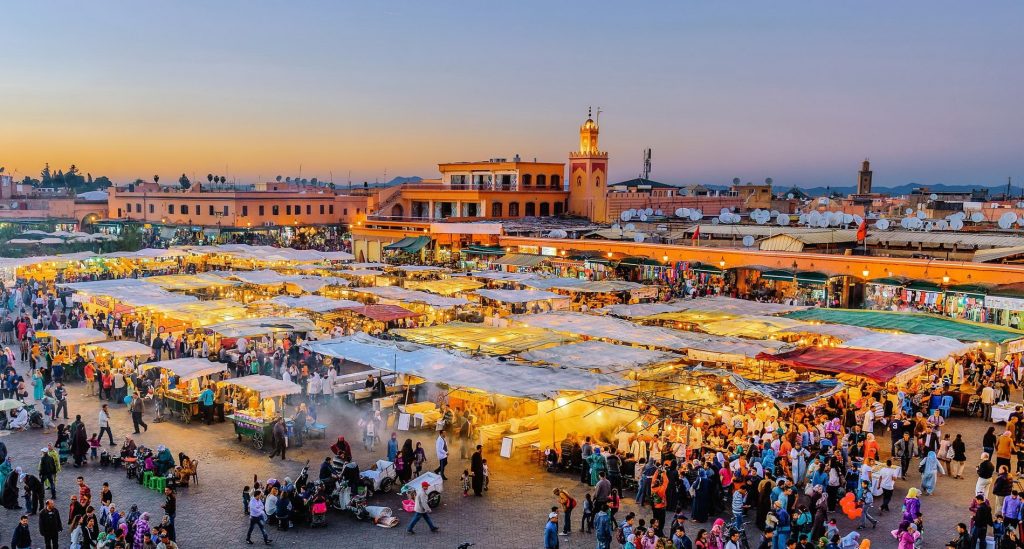
Our tours from Marrakech run to the desert via Ait Ben Haddou, and then continue to Merzouga or Zagora depending on the length of your stay. Private departures, meanwhile, suit solo travellers, small groups, and large gatherings of friends and family who want to share memorable moments together. Because the culture, the people and the nature are genuinely splendid, moreover, we reserve enough time in each place for you to live every moment fully — and our desert programmes can last up to seven days.
Tour from Marrakech :
Tour 3-Days from Marrakech to Fez through Sahara
Tour 4-Days from Marrakech to Merzouga by Ouarzazate
Tour 4-Days from Marrakech to Fez and desert
Tour 6-Days from Marrakech to Desert Merzouga
Tour 7-Days from Marrakech to Fes by Ouarzazate
Why Marrakech Is the Perfect Launchpad
Logistics come first. Marrakech Menara Airport receives direct flights from dozens of European cities, often at very low cost, and the terminal sits just fifteen minutes from the medina. Consequently, you can land in the morning and be on the road south that same afternoon, which proves invaluable when your holiday is short. In addition, the city offers the widest range of accommodation in the country, from budget riads to five-star palaces, so pre- and post-tour nights are easy to arrange at any price point.
Atmosphere, however, is the second and equally important reason. Marrakech functions as a decompression chamber between ordinary life and the desert: loud, fragrant, chaotic and endlessly stimulating. Spending a night or two in a riad — with its cool courtyard, fountain and rooftop terrace — therefore resets your pace before the long drives begin. Many travellers tell us afterwards that the contrast between the city’s intensity and the Sahara’s silence is exactly what made the trip unforgettable.
Marrakech to Merzouga: The Classic Route
This remains the most popular of all our itineraries, and it typically runs three days and two nights, although four days is considerably more comfortable. Day one crosses the Tizi n’Tichka pass, stops at the UNESCO-listed kasbah of Ait Ben Haddou, continues through Ouarzazate — Morocco’s film capital — and finally overnights in the Dades Valley. Day two, meanwhile, follows the Valley of a Thousand Kasbahs through Tinghir and the Todra Gorge, reaching Merzouga in time for the sunset camel trek.
Day three then begins with sunrise over Erg Chebbi, breakfast at camp, and the long return drive via Rissani, Alnif and Agdz. The single criticism of the three-day version, admittedly, is that final stretch: roughly ten hours on the road. Extending to four days, on the other hand, allows you to break the return in Ouarzazate or Skoura, which transforms the whole experience from a marathon into a genuine holiday.
Marrakech to Zagora: The Short Escape
If you only have two days, then Zagora is the sensible choice. The route heads south over the Tizi n’Tichka, passes through Agdz, and descends the Draa Valley to reach the dunes of Tinfou or Erg Lehoudi within a single day. Subsequently, you ride camels into the desert, sleep in a Berber camp, watch the sunrise and return the following afternoon. It is compact, affordable and consequently very popular with travellers on tight schedules.
Be clear about expectations, nevertheless. The Zagora-area dunes are smaller and closer to settlement than Erg Chebbi, so the sense of remoteness is inevitably reduced. In exchange, however, you gain the Draa Valley itself — one of the loveliest drives in the country — plus considerably less time in the vehicle. For a first taste of the Sahara, therefore, it works beautifully; for the full cinematic dune experience, choose Merzouga or Chigaga instead.
Ait Ben Haddou Tour, Ouarzazate and the Kasbah Trail
Ait Ben Haddou is the most photographed ksar in Morocco and has been a UNESCO World Heritage Site since 1987. This fortified village of rammed earth rises in tiers above the Ounila River and, although only a handful of families still live inside, the structure remains extraordinarily atmospheric — particularly at first light, before the coaches arrive. Our Ait Ben Haddou tour therefore starts early whenever possible. Its appearance in dozens of films, from Lawrence of Arabia to Gladiator and Game of Thrones, has additionally made it globally familiar.
Nearby Ouarzazate, meanwhile, serves as the practical hub of the region and hosts both Atlas Studios and CLA Studios, where many of those productions were shot. The Taourirt Kasbah in the town centre, furthermore, gives an excellent sense of how a Glaoui-era fortress actually functioned. Between Ouarzazate and the Dades lies Skoura, a dense palm oasis containing the beautifully restored Amerhidil Kasbah — a worthwhile stop that rushed itineraries almost always skip.
Tours from Fes: The Northern Gateway to the Sahara
You can join our desert adventures wherever you happen to be; accordingly, Fes is our second most popular starting point. Our tours from Fes cross the Middle Atlas, an area of cedar forest, alpine-looking lakes and the mountain town of Ifrane, built by the French in the 1930s and often nicknamed “the Switzerland of Morocco”. Along the way, you will almost certainly stop in the cedar forest near Azrou to see the Barbary macaques, one of the last wild monkey populations in North Africa.
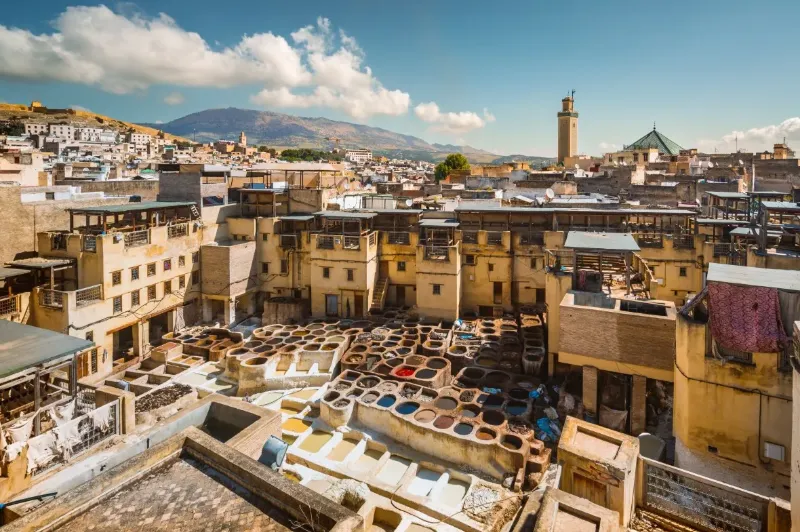
From there, the road descends dramatically through Midelt and the Ziz Gorges into pre-Saharan terrain, following the immense Ziz palm grove towards Erfoud and Merzouga. It is a spectacular drive and, crucially, it differs completely from the southern route. Consequently, many travellers structure their holiday as Fes in, desert in the middle, Marrakech out. This one-way format eliminates all backtracking, and we arrange it routinely.
Tour from Fes :
Tour 2-Days From Fes To Desert Merzouga by Errachidia
Tour 3-Days from Fez to Marrakech via Ait Ben Haddou
Tour 5-Days from Fez to Marrakech via Merzouga desert
Tour 4-Days from Fez to Marrakech and Merzouga desert
Casablanca Tours: Straight from the Airport
Casablanca is Morocco’s largest city as well as its principal international gateway, with Mohammed V Airport handling long-haul flights from North America, the Gulf and West Africa. If you land here, therefore, there is no need to transfer elsewhere first: our Casablanca tours collect you directly from the airport or your hotel and begin the journey the very same day. The classic routes run either Casablanca–Rabat–Meknes–Fes before turning south, or alternatively Casablanca–Marrakech before crossing the Atlas.
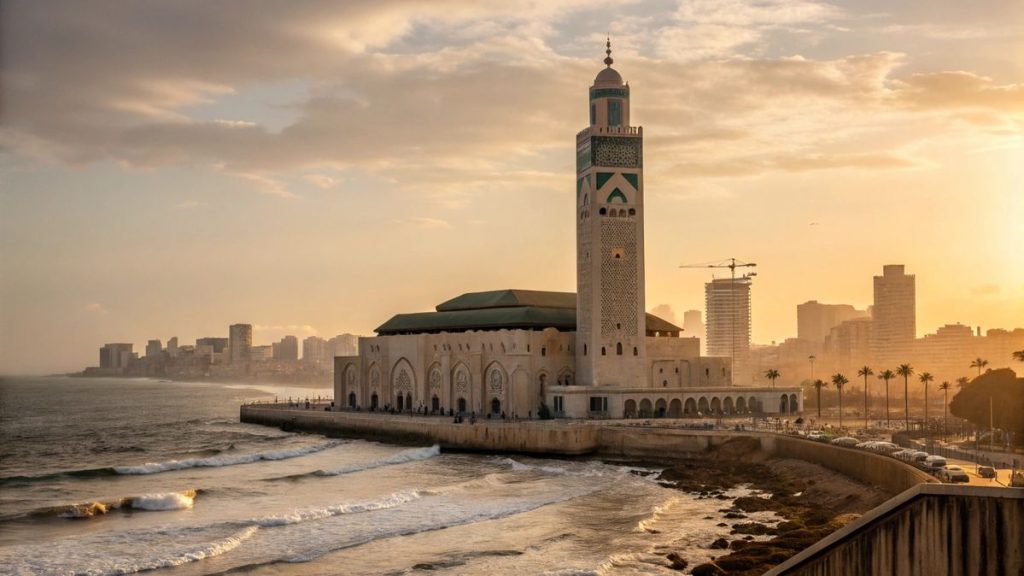
Starting here, moreover, lets you see a side of the country that most itineraries omit: the modern, working, Atlantic-facing Morocco. The Hassan II Mosque, with its minaret rising 210 metres above the ocean and part of its floor built over water, is the second-largest mosque in Africa and one of the very few open to non-Muslim visitors. Combined with the art-deco architecture of the old French quarter, consequently, it makes a compelling half-day before departure.
Tour from Casablanca :
Tour 6-Days Morocco Tour from Casablanca by Fes and Merzouga
Tour 7-Days Morocco Tour from Casablanca
Tour 9-Days Morocco Tour from Casablanca
Tour 8-Days from Casablanca to Fez Marrakech and desert
Tour 10-Days desert from Casablanca to Marrakech and Fez
Tours from Tangier: Where Africa Meets Europe
Increasingly, travellers arrive by ferry from Spain or by direct flight into Ibn Battouta Airport; as a result, our tours from Tangier have grown quickly. Tangier itself deserves at least a day: the Kasbah Museum, the Grand Socco, the caves of Hercules at Cape Spartel, and the point where the Mediterranean visibly meets the Atlantic. Furthermore, the city’s literary history — Bowles, Burroughs, Matisse — gives it an atmosphere unlike anywhere else in the Kingdom.
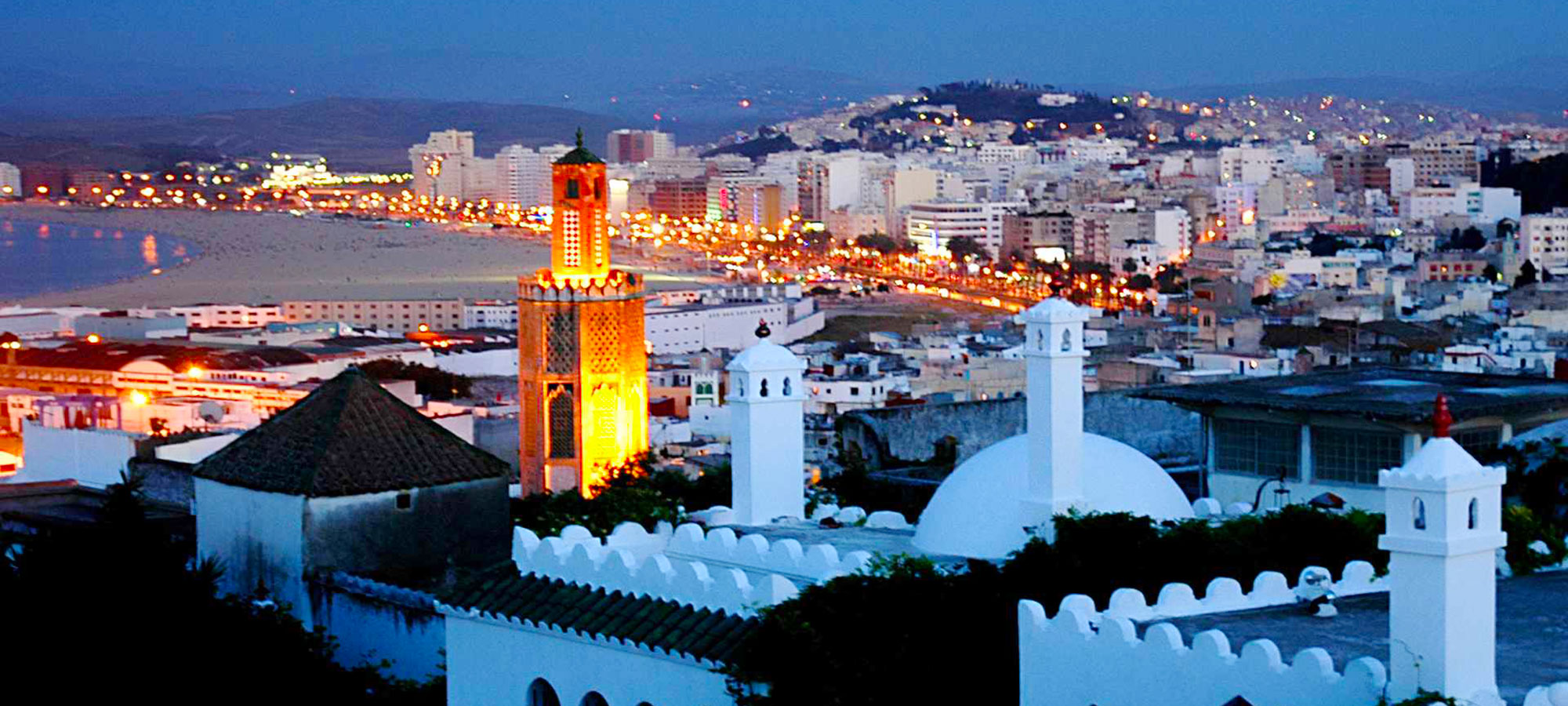
From Tangier, the natural route heads south through Tetouan and Chefchaouen, then continues to Volubilis, Meknes and Fes, before finally turning towards the Sahara. Alternatively, you can follow the Atlantic coast through Asilah, Larache and Rabat towards Casablanca. Either way, a Tangier start pairs perfectly with a Marrakech finish, and it therefore suits travellers with ten days or more who want to see the country from top to bottom.
Tour from Tangier :
Tour 10-Days from Tangier to Marrakech and Merzouga
Tour 12-Days from Tangier to Marrakech and Essaouira
Sample Morocco Tour Packages: From Three Days to Two Weeks
The right length depends on two things: how much time you have, and how much driving you can comfortably tolerate. Morocco’s mountain roads are beautiful yet slow; consequently, the single most common regret we hear is “we tried to fit too much in”. As a general rule, therefore, add one day for every additional major region you include, and never schedule two ten-hour driving days back to back.
Below are the Morocco vacation packages we operate most frequently. Each one can be customised — lengthened, shortened, reversed, made private, upgraded to luxury camps, or rebuilt around specific interests such as photography, trekking, birdwatching or family travel. Treat them, in other words, as starting points for a conversation rather than as fixed products.
3-Day Package: Marrakech, Merzouga and Back
Day 1 — Departure at 7 a.m., Tizi n’Tichka pass, Ait Ben Haddou, lunch in Ouarzazate, then Rose Valley and Skoura, with an overnight in the Dades Valley. Day 2 — Dades Gorge, a walk through Todra Gorge, the Tinghir palmeraie, arrival at Merzouga mid-afternoon, camel trek into Erg Chebbi, and finally dinner with Berber music at camp. Day 3 — Sunrise over the dunes, breakfast, and the return via Rissani and Agdz, arriving around 8 p.m.
This is an intense yet genuinely rewarding trip; moreover, it remains our best-seller because it delivers both headline experiences — the kasbah trail and the great dunes — inside a long weekend. Accordingly, it suits travellers who are comfortable with early starts and long transfers. If, however, you dislike sitting in vehicles, consider the four-day version, which covers identical ground at roughly two-thirds of the daily driving.
4-Day Package: The Comfortable Classic
The four-day route follows the same outbound path but adds either a second desert night or an overnight in Ouarzazate on the way back. That single extra day, remarkably, changes the character of the whole trip. You gain a full morning in Merzouga for a 4×4 excursion to the nomad families, the Gnaoua village of Khamlia and the Erg Chebbi fossil beds; in addition, you enjoy a genuinely relaxed final day instead of a dawn-to-dusk drive.
For that reason, we recommend this version to first-time visitors more often than any other. It costs modestly more; nevertheless, the improvement in comfort and depth is entirely disproportionate to the price difference. Families with children under twelve, travellers over sixty, and anyone prone to car-sickness should therefore treat the fourth day as essential rather than optional.
5-Day Package: Desert and Mountains Combined
Five days allows you to pair the Sahara with the High Atlas. A typical structure, for instance, spends two days heading south through Ait Ben Haddou and the gorges, one night at Erg Chebbi, and then returns via a different route through the Anti-Atlas or the Draa, finishing with a night in the Imlil valley and a half-day mountain walk before Marrakech.
This itinerary appeals strongly to active travellers who want physical variety rather than additional driving. Consequently, you experience dunes, gorges, oases and mountains, plus at least two contrasting accommodation styles — a desert camp and a mountain lodge. Furthermore, it is an outstanding photography route, because both the light and the terrain change dramatically every single day.
7-Day Package: The Grand Southern Loop
Seven days is where Morocco truly opens up. The classic grand loop runs Marrakech – Ait Ben Haddou – Dades – Todra – Merzouga (two nights) – Rissani – Draa Valley – Zagora – Agdz – Taroudant or Taliouine – Marrakech. Alternatively, a Fes-to-Marrakech one-way version adds the Middle Atlas, Ifrane and the Ziz Valley to that same southern circuit.
With a full week, moreover, you can afford proper rest days, deeper excursions and genuine spontaneity. There is time to walk an entire section of the Todra Gorge, spend a morning learning to cook a tagine, visit the Monday souk in Rissani, or drive out to Erg Chigaga for a night in the deep desert. Almost every traveller who chooses seven days, in fact, later tells us that the unhurried pace was the best decision they made.
10 to 14 Days: Desert, Mountains, Culture and Atlantic
Two weeks permits a genuinely complete tour. A popular structure, for example, allocates three days to the imperial north (Fes, Meknes, Volubilis, Chefchaouen), four days crossing the Middle Atlas to the Sahara, three days among the gorges and oases, and finally four days on the Atlantic coast at Essaouira or Taghazout before flying home from Marrakech or Agadir.
This is consequently the format we recommend for honeymooners, retirees, extended families and any first-time visitor arriving from a long-haul destination. It removes all schedule pressure, includes rest days in beautiful places, and above all delivers the complete range of Moroccan landscape and culture — mountain, desert, oasis, medina and ocean — within a single coherent journey.
Day Trips from Marrakech and Beyond
Because Morocco has so much to offer, we make certain that our tours cover your favourite spots across the entire country. Our day trips therefore run to and from almost every beautiful destination in the Kingdom, and they suit travellers who are based in one city yet want to see well beyond it. From the Red City, for instance, we operate the Essaouira excursion, the Ouzoud Waterfalls day trip, the Casablanca day trip, the Imlil day trip and the Ait Ben Haddou day trip, among many others.
If you or your travelling companions wish to discover a new region and make the most of every moment, consequently, we will be delighted to make that happen. Day trips can be private or shared; they can include or exclude lunch; and, in addition, they can be combined into a “hub and spoke” holiday where you stay in one comfortable riad for a week and take a different excursion each day. For travellers who dislike repacking, in short, this format is ideal.
Marrakech – Telouet – Ait Ben Haddou Kasbah
This full-day trip crosses the Tizi n’Tichka and then detours to Telouet, the ruined palace of the Glaoui pashas who effectively ruled southern Morocco until the 1950s. From outside it resembles a crumbling mud fortress; inside, however, the reception rooms retain extraordinary carved cedar ceilings, zellige tilework and stained glass. Very few operators include it, which is precisely why we do.
Afterwards, the route follows the old Ounila Valley road — unpaved in places, spectacular throughout — passing troglodyte granaries and tiny hamlets before finally reaching Ait Ben Haddou from the north. Following a guided walk through the ksar and lunch beside the river, you return over the pass to Marrakech. Expect roughly eleven hours door to door; moreover, bring a camera with plenty of storage.
The Ouzoud Waterfalls Day Trip
Ouzoud is the highest waterfall in North Africa, dropping approximately 110 metres in three tiers into a green gorge lined with olive trees and old water mills. The drive takes about two and a half hours through the Middle Atlas foothills; subsequently, the site itself involves a pleasant 45-minute descent on a shaded path with numerous viewpoints along the way.
At the bottom, you can take a short boat ride to the base of the falls, swim in the pools during warm months, and eat at one of the riverside restaurants. In addition, wild Barbary macaques live in the surrounding trees and are easily spotted — please, however, do not feed them. Altogether, this is one of the best-value excursions available and it works particularly well for families.
Marrakech to Essaouira
Three hours west of the Red City, Essaouira delivers instant relief from the heat and intensity of the interior. The day typically includes a stop at a women’s argan oil cooperative, a chance to see the famous goats in the argan trees when they are around, and subsequently around five hours in the town itself. Highlights, meanwhile, include the Skala ramparts, the blue fishing harbour, the well-preserved eighteenth-century medina and a long sandy beach.
Essaouira is also, notably, the easiest medina in Morocco to walk without a guide: it follows a grid, it is compact, and its traders are famously relaxed. Add a fresh seafood lunch at the port grills plus a stroll along the sand, and consequently you have one of the most enjoyable days available from Marrakech. Indeed, many travellers like it enough to return later for two or three nights.
Imlil, the Ourika Valley and Agafay
For mountain air within ninety minutes of the city, Imlil is unbeatable. The village sits at 1 740 metres beneath Toubkal, and a day trip usually includes a guided walk to Aroumd, a visit to a Berber home, lunch overlooking the valley and, optionally, a mule ride. It is therefore the cheapest and fastest way to experience the High Atlas properly.
The Ourika Valley, alternatively, offers a gentler option with riverside restaurants, the Setti Fatma waterfalls and the Nectarome aromatic gardens. Meanwhile, the Agafay Desert — only forty minutes away — presents a stony lunar landscape rather than sand; nevertheless, its camps offer camel rides, quad biking, sunset dinners and stargazing without any long-distance driving whatsoever. For very short trips, consequently, Agafay works as a genuinely practical Sahara substitute.
Our Signature Adventure Activities
Our Morocco trips are certainly not limited to travel itself. In addition, we place countless activities at your disposal to satisfy all tastes and interests. We can take you hiking, camel riding, sandboarding, buggy riding or glacier walking; alternatively, you may simply relax beneath the shining stars, stargazing while sipping delicious Moroccan mint tea. Every activity, moreover, can be added to an existing itinerary or booked as a standalone experience from your base city.
Below, therefore, is a closer look at the most requested options, together with honest notes on difficulty, duration and suitability. If you have a specific interest that is not listed — climbing, birdwatching, cycling, cooking, ceramics, textile workshops or yoga retreats — simply ask. We work with local partners across most disciplines and we build bespoke activity days on a regular basis.
Camel Trekking Morocco
Riding a dromedary into the dunes at sunset is the defining image of any desert holiday, and it thoroughly deserves its reputation. The standard camel trekking Morocco experience lasts around ninety minutes each way, moving at walking pace across the sand while the shadows lengthen behind you. Importantly, no experience is required, the camels are led on foot by an experienced chamelier, and the pace remains gentle enough for children over roughly six years old.
A word of practical advice, nonetheless: wear long trousers to avoid chafing, bring a scarf against wind-blown sand, and accept that after ninety minutes your legs will feel stiff. If you have back problems or find the saddle uncomfortable, however, you can walk part of the way or transfer to camp by 4×4 — simply tell your guide. Longer treks of two or three days, sleeping in a different camp each night, are additionally available for the genuinely adventurous.
Quad Biking and Buggy Rides
For travellers who prefer horsepower to camel-power, quad and buggy excursions operate in Merzouga, Zagora, Agafay and the Marrakech Palmeraie. Sessions typically last one or two hours and include a full safety briefing, helmets and a lead guide, crossing a mixture of open dune, flat hammada and palm-grove tracks. Furthermore, automatic transmission means anyone with basic balance can drive confidently.
Buggies seat two, which consequently makes them popular with couples and with parents accompanying older children. Quads, by contrast, are single-rider and slightly more agile. Both are exhilarating, both generate a serious amount of dust, and both are best undertaken during the cooler hours of morning or late afternoon. Therefore, bring sunglasses or goggles, and avoid wearing anything you mind getting sandy.
Sandboarding and Sand Bathing
Sandboarding requires no skill whatsoever and delivers immediate fun: you climb a dune, stand or sit on a waxed board, and slide down. Boards are provided, the technique takes roughly three minutes to learn, and the biggest challenge is undoubtedly the walk back up. Additionally, it is included free at most of our desert camps and is a guaranteed hit with children and adults alike.
Sand bathing, or hammam ramli, is by contrast an altogether different tradition. Practised mainly around Merzouga in July and August, it involves being buried up to the neck in hot sand for short, supervised periods, followed by rest and rehydration. Locals have used it for generations to treat rheumatism and joint pain. Whether or not you try it, therefore, it offers a fascinating window into how desert communities use their environment.
Hiking and Multi-Day Trekking
Morocco is, without question, one of the world’s most underrated trekking destinations. Options range from a two-hour valley stroll in Imlil to the two-day ascent of Jbel Toubkal, the seven-day Toubkal Circuit, the M’Goun traverse and long routes through the Anti-Atlas or the Rif. Moreover, all treks are accompanied by qualified mountain guides, and mules carry the heavy luggage on multi-day routes, so you walk with only a daypack.
Toubkal itself requires no technical climbing in summer; nevertheless, it demands genuine fitness and proper acclimatisation. In winter, furthermore, it becomes a mountaineering objective needing crampons and an ice axe. Whatever the season, consequently, we match you with a route that fits your ability honestly rather than optimistically — because the fastest way to ruin a mountain holiday is to over-commit on day one.
Hot Air Ballooning over Marrakech
Lifting off at dawn from the plains north of the city, a balloon flight offers a perspective that no road can match. You float for roughly forty-five minutes to an hour above Berber villages, olive groves and desert plain, while the snow-capped High Atlas fills the southern horizon as the sun rises. Flights, in addition, include hotel pick-up at around 5 a.m., a Berber breakfast after landing, and a return transfer.
It is admittedly a splurge; nevertheless, it consistently ranks among the highest-rated experiences we sell. Flights depend on weather and are most reliable between October and May. Therefore, book it early in your stay so that a spare morning remains available should the wind prove unfavourable — and bring a light jacket, because the pre-dawn plain is far colder than most visitors expect.
Stargazing and Desert Nights
The Sahara sky is precisely why many travellers say the desert night, rather than the day, was their favourite part of the entire trip. With no cloud, no humidity and no artificial light, the Milky Way remains clearly visible for most of the year, and meteors are frequent. Consequently, camps lay out rugs and cushions away from the fire so that your eyes can properly adapt to the darkness, while guides talk you through the constellations that guided caravans for a thousand years.
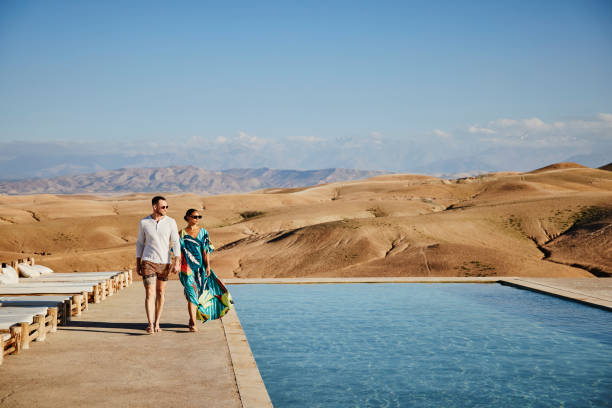
Around the fire itself, meanwhile, camp staff and visiting musicians play bendir frame drums and qraqeb metal castanets, and guests are always invited to join in. This is not a staged performance for tourists; rather, it is simply what people do in the desert after dinner. Combine that with sweet mint tea and a tagine cooked in the sand, and you have the evening most travellers remember longest.
Morocco Cultural Tours: Medinas, Crafts and Living Traditions
Adventure and culture are inseparable here; accordingly, our Morocco cultural tours run alongside every desert and mountain programme. Fes el-Bali remains the largest car-free urban area on the planet, with some 9 000 lanes, the Chouara tanneries, the Al-Qarawiyyin — founded in 859 and often described as the oldest continuously operating university in the world — and the exquisite Bou Inania Madrasa. Meanwhile, Marrakech offers the Ben Youssef Madrasa, the Saadian Tombs, the Bahia Palace and the Jardin Majorelle.
Beyond the monuments, however, the real value lies in workshops and encounters. You can, for example, learn to throw a pot in Safi, weave with a women’s cooperative in the Middle Atlas, cook a five-vegetable couscous in a Marrakech riad, or study zellige tile-cutting in Fes. Furthermore, our guides arrange visits to Sufi music evenings, Berber weekly souks and date harvests in season. Consequently, culture becomes something you participate in rather than merely observe.
Where You Sleep: Desert Camps, Riads and Kasbahs
Accommodation on an adventure tour is very much part of the adventure. In the desert, first of all, camps range from simple to genuinely luxurious. Standard camps provide canvas or nomad-style tents with proper beds, shared bathroom blocks with hot showers, and communal dining beneath a large tent. They are clean, comfortable and, frankly, considerably better than most people imagine when they hear the word “camp”.
Luxury camps, on the other hand, offer private en-suite tents with solid floors, real furniture, rugs, electricity, hot water on demand and occasionally air conditioning or heating. Dinner is served at laid tables and some sites even include a swimming pool. The price difference is significant; nevertheless, so is the experience, and for honeymoons or milestone birthdays it usually represents money well spent. In every case, moreover, we show you photographs of the exact camp before you commit.
Riads, Kasbahs and Mountain Gîtes
In the cities, you will stay in riads — traditional houses built around an interior courtyard, typically with four to twelve rooms, a plunge pool and a rooftop terrace. They are quiet, atmospheric and far more characterful than international hotels; however, they usually sit inside pedestrian medinas, which means a short walk with luggage. Our drivers, of course, handle that transfer with you.
Along the kasbah trail, meanwhile, restored earthen fortresses have been converted into small hotels, many with gardens, pools and views across palm groves. In the mountains, similarly, gîtes d’étape provide simple family-run lodging with shared or private bathrooms and generous home cooking. Mixing these three styles across one itinerary therefore gives your trip a natural rhythm and lets you experience Moroccan hospitality in its most authentic forms.
When to Travel: A Season-by-Season Guide
Spring (March to May) is undoubtedly the finest overall window. Daytime temperatures remain pleasant everywhere, the High Atlas still holds snow on its summits, the valleys turn green, and the Rose Valley harvest around Kelaat M’Gouna scents the air in late April and early May. Desert nights, meanwhile, are cool rather than cold. This is peak season for good reason; consequently, book camps and riads well in advance.
Autumn (September to November) is nearly as good and frequently quieter. The summer heat breaks in mid-September, the date harvest begins in the oases, and light quality for photography becomes superb. Late November may bring the first mountain snow and occasional rain in the north; nevertheless, the desert remains reliably clear. If you cannot travel in spring, therefore, choose October.
Summer and Winter Considerations
Summer (June to August) is hot — genuinely hot. Marrakech regularly exceeds 40 °C and the Sahara can surpass 45 °C in the afternoon. That does not make travel impossible; however, it does change the itinerary: activities shift to early morning and evening, midday becomes rest time, and the coast grows far more attractive than the interior. Essaouira, Taghazout and the High Atlas stay comfortable throughout, and prices in the south drop noticeably.
Winter (December to February), conversely, brings crisp sunny days and cold nights. Desert daytime temperatures of 18–22 °C are ideal for walking; after dark, however, the thermometer can approach freezing, so camps supply thick blankets and heaters. The mountains, meanwhile, receive real snow, closing some high passes while opening the possibility of snowshoeing. Christmas and New Year are busy and priced accordingly; January and early February, by contrast, rank among the best-value weeks of the entire year.
What to Pack for Your Morocco Adventure
Layers are the governing principle. A single day can swing twenty-five degrees between dawn in the dunes and mid-afternoon in a valley; therefore, pack a light fleece or down jacket even in summer, alongside breathable long-sleeved shirts and loose trousers. Long, light clothing is additionally more comfortable than shorts under the desert sun, and it also respects local dress norms, which consequently makes daily interactions easier and warmer.
Essentials include high-factor sunscreen, sunglasses, a wide-brimmed hat or scarf, closed walking shoes, a head torch for camp, a refillable water bottle, personal medication and a power bank — since camp electricity is often limited to certain hours. Furthermore, bring cash in small notes for tips, souks and rural cafés, because card acceptance drops sharply outside the cities. Finally, choose a soft holdall over a hard suitcase: it is far easier to load into a 4×4 and onto a camel.
How Much Do Morocco Vacation Packages Cost?
Prices vary according to group size, season, accommodation standard and vehicle type; nevertheless, some general guidance helps. Shared group Morocco desert tours from Marrakech typically fall within the budget band per person for three days, including transport, one hotel night, one camp night, breakfasts and dinners. Private tours with a dedicated driver and 4×4, by comparison, cost more per group yet become highly competitive once four or more travellers share.
The main upgrades affecting price, meanwhile, are luxury camps, private vehicles, licensed city guides, single-room supplements and add-on activities such as ballooning or quad biking. Almost universally excluded, on the other hand, are lunches, drinks, some monument entrance fees and tips. We itemise all of this at quotation stage, so there are never any surprises. As a rule of thumb, therefore, setting aside a modest daily budget for lunches and extras will cover most travellers comfortably.
Food on the Road: What You Will Actually Eat
Moroccan cuisine is built on spice, slow cooking and generosity. On tour, consequently, you will eat a great deal of tagine — chicken with preserved lemon and olives, lamb with prunes and almonds, kefta with egg, or vegetable for non-meat eaters — alongside couscous on Fridays, harira soup, grilled brochettes, fresh bread and abundant salads. Breakfast, meanwhile, means bread, olive oil, amlou or jam, msemen pancakes, eggs, and mint tea or coffee.
Dietary requirements are easily accommodated with advance notice. Vegetarian food, for instance, is straightforward and frequently excellent; vegan and gluten-free are manageable in cities yet require slightly more planning in remote camps. Alcohol is not served in most rural establishments and is generally unavailable at desert camps; nevertheless, it can sometimes be arranged in advance at certain luxury sites. Tap water is best avoided, and bottled water is supplied throughout.
Good to Know Before You Book
Morocco sits on almost every traveller’s bucket list, particularly for those who admire cultural diversity and are fascinated by how much there is to learn about what makes this country unique. In that same regard, and as a Morocco travel agency that has been in business for decades, we strongly recommend taking a few things into account before you arrive. Morocco is a Muslim country with its own traditions, sacred days and dress codes; accordingly, clothing styles remain conservative, especially in small towns and rural villages.
It is likewise a place where a dish is only considered worth eating once you have added enough spices to it. That love of flavour, moreover, extends across the whole culture: things are done generously, slowly and with hospitality at the centre. Friday is the main day of communal prayer, and consequently many small businesses close around midday. During Ramadan, furthermore, daytime eating in public is discouraged out of respect, although restaurants for visitors stay open and evenings become wonderfully festive. Understanding these rhythms will therefore make your trip smoother and your welcome even warmer.
Etiquette, Photography and Bargaining
Always ask before photographing people, particularly women, and then accept refusal gracefully. In certain tourist areas, additionally, posing with animals or performers carries an expected fee — so agree the amount first. Modest dress means covering shoulders and knees for both sexes; in the desert, moreover, this is practical as well as respectful. Greet people with salam alaikum, use your right hand for eating and giving, and remove your shoes when entering a family home.
Bargaining in the souks is normal and indeed expected; however, it should stay good-humoured rather than aggressive. First, decide privately what an item is worth to you; then open below that figure, and finally be prepared to walk away politely. Never begin negotiating for something you have no intention of buying. Alternatively, fixed-price cooperatives — particularly for argan oil, rugs and ceramics — offer a stress-free option and generally return more money directly to the producers.
Safety, Health and Practical Matters
Morocco is a safe destination for tourists, including solo women, provided you apply the same common sense you would anywhere else. The most frequent complaints, in fact, involve persistent touts and inflated prices rather than crime. Travelling with a licensed guide and an established agency therefore eliminates the majority of these frictions, because you never navigate unfamiliar situations alone or depend on unofficial help.
Health-wise, no vaccinations are compulsory for most nationalities; nonetheless, routine immunisations should be current, and travel insurance covering medical evacuation is strongly advised, especially for trekking. In addition, drink bottled water, apply sunscreen relentlessly, and allow yourself a day to adjust to the heat before attempting anything strenuous. Pharmacies are widespread and well stocked, larger towns have clinics, and our team maintains a list of trusted contacts along every route we operate.
Travelling Solo, as a Family, or in a Large Group
Solo travellers genuinely thrive on our tours. Shared departures place you with a small mixed group of six to sixteen people, which provides company without obligation; furthermore, single supplements are kept as low as possible. Many of our solo guests are women, and consequently our guides are briefed to ensure that everyone feels included, informed and comfortable at every stage of the journey.
Families and large groups, meanwhile, benefit most from private arrangements. With your own vehicle you control the timing, the stops and even the music, which matters enormously with young children. In addition, we provide booster seats on request, shorten driving segments, and select camps with space to run around. For groups of twelve or more — reunions, weddings, corporate retreats — we can furthermore reserve entire camps and design a bespoke programme from scratch.
Responsible and Sustainable Adventure Travel
Adventure tourism only remains worthwhile if the places we visit stay protected. Accordingly, we work with locally owned camps, employ guides and drivers from the regions we cross, buy provisions in village markets rather than city supermarkets, and cap group sizes so that fragile sites are never overwhelmed. Several of our partner camps, in addition, run on solar power and manage water carefully — which matters profoundly in a pre-Saharan environment.
You can help too. For instance, refill your water bottle instead of buying multiple small ones, carry your rubbish out of the desert, stay on established tracks when driving or hiking, avoid feeding wild macaques, and buy directly from cooperatives and artisans. Small choices, repeated by thousands of travellers, ultimately determine whether the Sahara and the Atlas remain as extraordinary in twenty years as they are today.
How to Book Your Morocco Adventure Tour
Booking is refreshingly straightforward. First, send us your travel dates, the number of travellers, your preferred departure city and a rough idea of what you want to see or do. Then, within twenty-four hours, you will receive a proposed itinerary with a day-by-day breakdown, accommodation options at several price levels, an itemised quotation and a clear statement of inclusions and exclusions.
From there, we refine the plan together until it fits perfectly. Subsequently, a deposit secures your dates, with the balance payable before or at the start of the tour depending on the arrangement. Before departure, moreover, you will receive your driver’s name and number, a packing list, an emergency contact and full pick-up details. Finally, if anything changes while you are travelling, a single message to our team is enough to adjust the plan.
Frequently Asked Questions
How many days do I need for a Morocco desert tour?
Three days is the practical minimum for reaching Erg Chebbi from Marrakech, whereas two days suffices for Zagora. However, four days is the sweet spot between cost and comfort, because it removes the punishing ten-hour return drive. With a full week, meanwhile, the grand southern loop is by far the most rewarding option.
Are Morocco tours suitable for children or older travellers?
Yes, provided you choose the right itinerary. Long driving days, rather than the desert itself, present the main challenge. Therefore, select a four- or five-day route, request extra stops, and consider a luxury camp with proper beds and en-suite facilities. Camel rides, additionally, can always be replaced by a 4×4 transfer to camp.
Do I need a 4×4?
Not for the standard Merzouga and Zagora routes, which run entirely on paved roads and are usually driven in comfortable minivans or SUVs. Conversely, a genuine 4×4 is essential for Erg Chigaga, remote pistes and off-road dune excursions.
Can I travel during Ramadan?
Absolutely, and many visitors find it a special time. Services for travellers continue as normal; furthermore, evenings after the fast breaks are lively and extremely welcoming. Simply remain discreet about eating and drinking in public during daylight, and expect slightly altered opening hours.
Is Wi-Fi available in the desert?
Some camps offer limited Wi-Fi, and mobile coverage across Morocco is surprisingly good, including parts of Erg Chebbi. Nevertheless, we encourage you to switch off, because the silence and the stars are precisely the point of being there.
What currency should I bring, and can I use cards?
The Moroccan dirham is a closed currency, so change money on arrival at the airport or in a city bank. Cards work in cities, hotels and larger shops; however, carry cash for souks, rural cafés, tips and small purchases along the route.
Can you build a private or custom itinerary?
Certainly. Every route on this page is available as a private departure, and our custom Morocco tours service rebuilds itineraries entirely from scratch around your interests, budget and pace.
Ready for the Land Where Simplicity, Mystery and Nature Merge
Join us today and discover a country where pure simplicity, magical mystery and splendid nature merge into one unforgettable journey. Whether you begin in the Red City of Marrakech, the imperial heart of Fes, the Atlantic gateway of Casablanca or the strait-side streets of Tangier, our Morocco adventure tours are built to be flexible, safe, deeply local and unashamedly exciting. Consequently, you choose the pace, the comfort level and the activities — and we handle absolutely everything else.
So tell us what kind of traveller you are, and where you would like to wake up tomorrow. Within a day, you will have a custom itinerary in your inbox, prepared by people who live here and who have driven every one of these roads more times than they can count. The dunes, the peaks, the gorges and the ocean are all waiting. Ultimately, your adventure of a lifetime really is only one click away.